Full article about Aldreu: where the vines outnumber the villagers
Sun-washed granite, blood-rice feasts and Vinho Verde poured from mismatched tumblers in Barcelos
Hide article Read full article
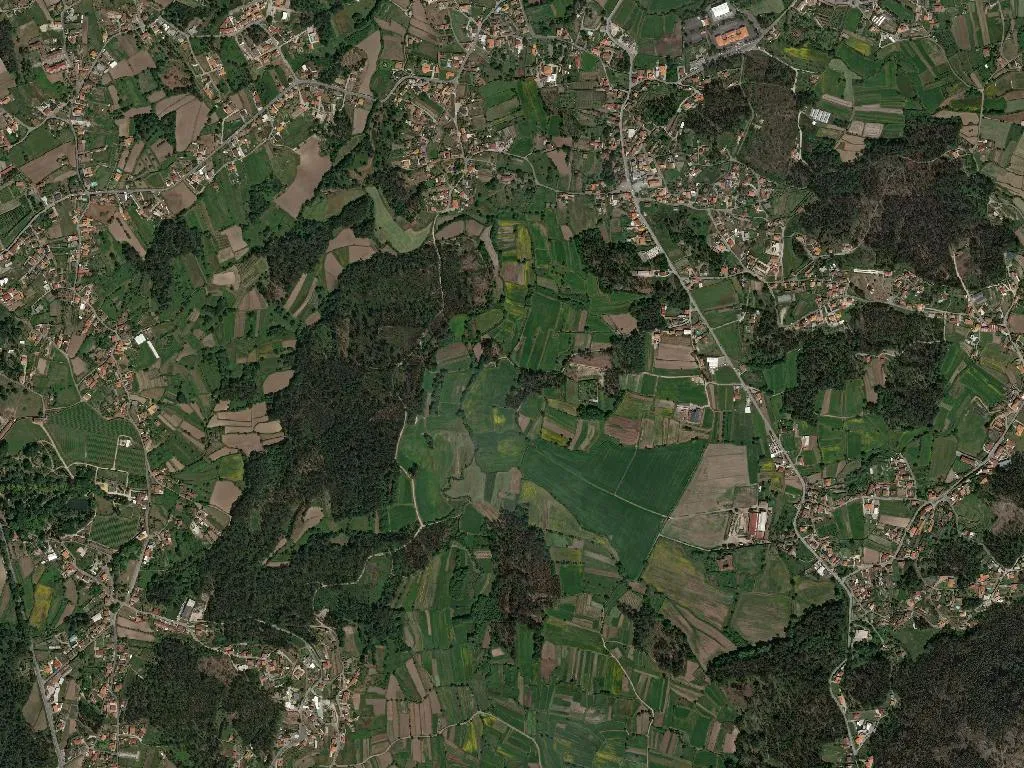
The morning sun settles its debt on the whitewash of Aldreu, turning every wall into a mirror of pale gold. At only 53 m above sea-level, the parish unfurls in slow-motion ridges where maize fields – the colour of wet terracotta – butt against granite threshing floors still scooped by the heels of long-dead grandparents. Cut grass drifts in from the lanes; behind it comes the darker perfume of stock-rearing done the pre-EU way: no passports, no feedlots, simply whatever the clay will grow.
Seven-hundred-and-ninety-five people now, down from four digits in the 1960s. Nobody keeps a running tally of the absent; the parish council simply notes 98 children, 184 elders, and a middle generation scattered between Bordeaux and Battersea. Balance is fragile, yet alive – like the scarlet geranium D. Rosa’s grandmother parks on her sill, watered by rain that remembers to arrive even when grandchildren forget.
Where the cross keeps time
The year pivots on Festa das Cruzes, held when the first white blooms appear on the village hybrid of dog-rose. It is less procession than annual census: emigrants fly home with duty-free, urban cousins book Friday off, and the stone cross outside the chapel becomes a coat-hook for handbags. Someone’s uncle is dispatched to secure the kid for the evening spit; the women debate whose grandfather taught whom to slip blood into the rice. By dusk the churchyard throbs with accordion-driven vira, the air lacquered with chouriça fat. Tia Guida flips the sausages bare-handed; the rest of us pretend not to notice the blisters.
Green wine, red soil
Aldreu sits inside the Vinho Verde demarcation, but “region” feels grandiose for land that rarely yields more than a neighbourly cask. Vines climb pergolas or telephone poles, sewing patches of shade over back gardens. The resulting white – lightly fizzy, sharp enough to make your molars hum – is lunchtime currency, poured into thick tumblers that match no two place settings. There are no tasting notes, only the certainty that the bottle will be empty before the sardines grow cold.
Around the settlement the same Atlantic loam that grows lettuce the size of dinner plates supports subsistence-level maize and rye. In October the stubble is burned off, smoke rising like a plumb-line in still air, and the men migrate to the café to argue whether the rainfall chart on the wall disagrees with their knees. The conversation never concludes; the coffee is refilled gratis.
Footnotes on the way to Santiago
The Central Portuguese Camino cuts straight through the parish – a stripe of yellow arrows on electricity poles rather than a heritage trail. Infrastructure is proudly light: four rooms-to-let, one of them run by D. Lurdes who greets walkers with pear jam and the warning that “sugar keeps the cartilage kind”. Pilgrims top up bottles at the granite fountain, peel socks against the chapel wall, leave again. Their footprints barely dent the dust, yet they remind the village it still occupies a junction on Europe’s oldest mental map – the one that believes discomfort might deliver absolution.
Aldreu offers no postcard monuments. What it hands the visitor is more tactile: granite warm as a plate, the menthol draught from a vine tunnel, wine held at cellar temperature – 14 °C, “cooler than my ex-wife’s heart”, as Zé behind the counter insists. Stay until the sun drops and Sr Alfredo will materialise with a second glass, because “in Aldreu a passer-by isn’t a stranger – just a friend who hasn’t sat down yet”.