Full article about Mist, Mill & Moorish Bones in Alvito–Couto
Rice terraces, river mist and unlocked churches guard stories older than Barcelos itself
Hide article Read full article
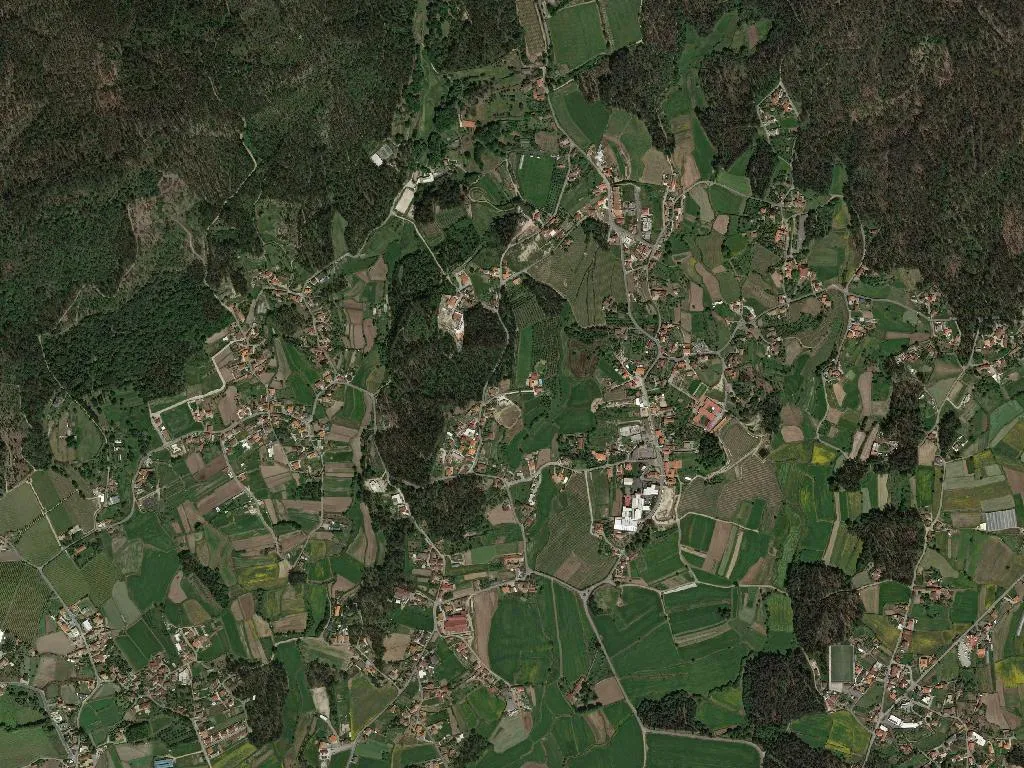
The mill-wheel chatters before anything comes into view: a syncopated clack of wooden paddles at Moinho do Souto, then the hush of the River Neiva that swells the moment you swing off the tarred lane. In the merged parish of Alvito and Couto, 15 km north-east of Barcelos, the land slips downhill in unmaintained terraces. No-one disturbs them now – the young have left for Porto or Geneva, the old lack the knees. Rice still grows in a few flooded pockets between low-trained vines, but scrub is the dominant crop, inching back into ground where maize once rattled. At 120 m above sea level, Atlantic air thickens with river moisture; when the mist settles, the orange harvest stalls for days.
Stone, carving and the door left ajar
Inside the 17th-century Igreja de São Pedro, the atmosphere is wardrobe-dust and candle-wax. Parishioners ignore the baroque gilding – their gaze fixes instead on the diminutive figure of São Gonçalinho, Barcelos’ crippled pilgrim-saint. Around his ankles, wax ex-votos – legs, hearts, farm animals – are piled like forgotten birthday candles. Drive three minutes to Couto and you’ll find the Igreja de São Vicente unlocked day and night; the sacristan lives next door, balancing parish accounts to the soundtrack of RDP Antena 1. Beside the granite bridge, a weather-beaten cross commemorates an 18th-century priest who dreamt of plague and commissioned the monument the following morning. When builders renovated Igreja de São Martinho in 2018, they unearthed human bones and a fragment of 12th-century Moorish ceramic, now displayed in Barcelos’ Museu Arqueológico. Locals reckon the churchyard still hides more narrative than any glass case.
Pilgrims’ footprints and the daily café circuit
The Portuguese Coastal Route of the Camino de Santiago cuts straight through the parish, but today’s trekkers rarely linger. Heads bowed to GPS, they march past farmers who measure distance by seed-time and pruning. The way-marked Trilho do Neiva overlaps here for 11 km; its boardwalks groan, herons lift off the water when winter storms swell the river. Come Entrudo (Carnival Sunday), teenage boys parade in crêpe-paper masks hand-sewn by their mothers – a custom resurrected after someone found 1970s classroom photographs in the primary-school archive.
Smokehouse, blood-rice and what’s left for breakfast
Arroz de sarrabulho – rice simmered with pig’s blood, cumin and wine – is still cooked on slaughter-day, thickened with pimenta-da-terra bought at Barcelos’ weekly market. Rojões (cubed pork) are rubbed with sweet paprika, fried in last winter’s lard. Cornbread arrives warm from the village bakery at 7 a.m.; no-one grinds locally any more. In back-garden smokehouses, the last home-reared pigs become chouriço, but supermarket aisles are slowly winning. Vinho verde is decanted from five-litre jugs: not from the regulated Monção sub-region, but from Zé’s south-facing backyard plot – payment for fixing a neighbour’s rotavator.
May processions, November bonfires
Festa das Cruzes (3 May) is the parish spring-clean: women air heirloom embroideries, men power-wash café terraces shuttered since Christmas. Night-time processions rely on €1 candles from the Chinese bazar and cemetery chrysanthemums that still hold their colour. On 29 June the romaria of São Pedro attempts to reach the river; if the Neiva is in spate, clergy stop at the wayside cross instead. São Martinho’s magusto (11 November) takes place on the school yard, the chestnuts bought from a merchant in Amarante – local trees succumbed to blight years ago. At the tiny Linen Interpretation Centre, D. Lurdes demonstrates hand-spinning to the occasional Dutch hiker; villagers pass by, remembering how the same craft bent their mothers’ backs.
At dusk, pinewood smoke rises dead-straight from chimneys – oak costs too much. The scent mingles with wet earth after the river’s evening exhalation, and cowbells echo from the high paddocks. In quintas open by appointment, wine is poured into disposable shot-glasses – not for pretension, but because glass breaks and plastic travels home in the bin.