Full article about Boots echo through Carvalhal’s Camino silence
Granite lanes, vanished oaks, €1.20 vinho verde: the Barcelos village that absorbs pilgrims
Hide article Read full article
The click of boots on granite
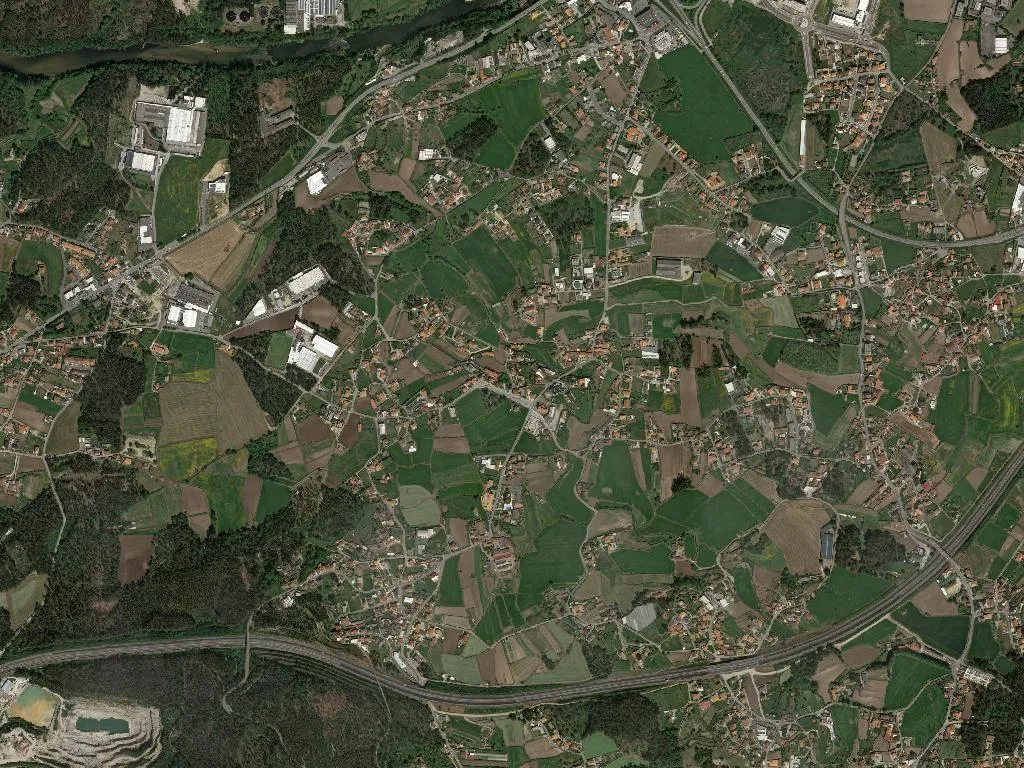
The sound reaches me before the walkers do: a metronomic click of trekking poles and boot studs on granite setts, the Portuguese Central Way rolling downhill into Carvalhal. For nine centuries the same noise has announced strangers: first the barefoot fifteenth-century tradesmen who carried saffron and salt cod to Porto, now the German retirees in neon Gore-Tex who pause outside my grandmother’s gate to refill plastic bottles from her hosepipe. The village—1,233 souls, 37 m above sea level—never swells, never contracts; it simply absorbs, like blotting paper.
A name without its tree
Carvalhal translates loosely as “oak grove”, yet there isn’t a single mature quercus in sight. The Romans cleared the original forest for charcoal to fire pottery kilns in neighbouring Barcelos; the Moors replanted vines; my grandfather grubbed up the last cork oak in 1963 to squeeze in another row of loureiro. What remains is a green ledger of parcelled land: 257 ha of regimented terraces, the stones hand-pulled and stacked by women who still prune on their knees, secateurs tied to wrists with torn T-shirts to stop the blood dripping on the grapes.
The ones who keep walking
The Camino enters Carvalhal at the 18-km marker from Barcelos and leaves again 1.4 km later, signalled only by a yellow arrow painted on the parish pump. Pilgrims ring the bell at the chapel, photograph the sixteenth-century calvary, then vanish. The village economy is calibrated to this brief encounter: António opens his adega only on Friday and Saturday, pouring vinho verde into cider jars for €1.20, the price unchanged since 2012. My mother keeps a Tupperware of warm cornmeal cakes by the door; they disappear at the rate of two an hour between April and October.
May crosses and gunpowder
Festa das Cruzes is a low-key insurgency against spring. On the eve of 3 May, Aunt Laura locks herself in the kitchen with sheets of tissue paper and a glue stick the size of a rolling pin, emerging at dawn with four pyramids of crimson and gold. Children shoulder miniature crosses wound with basil and marigold, processing to the square where the parish priest blesses the air, the soil, the new wine. Zé’s trailer serves lamb stew thickened with mint and yesterday’s bread; rockets pop over the vineyards, setting dogs howling and sending 89-year-old Simão into a waltz he last danced during the colonial war.
Wine without a label
There is no DOP for Carvalhal. Instead, there is Uncle Fernando’s garage: a granite trough, a basket press bought second-hand from the Monção co-op, and a chest freezer retro-fitted with a temperature probe. The 2023 loureiro is 11 %, slightly petillant, tasting of lime skin and the dust on apple skins. We drink it from thick Duralex glasses that survive being dropped on terracotta tiles, paired with bread my neighbour still bakes in a wood-fired oven built by her great-grandfather in 1897. The only certification is the silence that follows the first sip: no one speaks until the glass is half empty.
What remains after the last footstep
Two village houses have been painted white and fitted with key safes—Algarve minimalism dropped into the Minho. They are booked, sporadically, by cyclists too late for Ponte de Lima hotels. Otherwise, darkness is absolute after 22:00, the only light a sodium lamp outside the café where the same four men play sueca with cards older than Portugal’s euro coins. When the final rucksack disappears round the bend toward Portela, the valley exhales. I count the 354 steps home, past the scent of wet cabbage leaves and the low hum of my grandmother’s television. She will be waiting with soup, exactly as she was when I left for university in 2011, and exactly as she will be when the next pilgrimage of strangers passes through tomorrow.