Full article about Durrães & Tregosa: Where Camino Dust Meets Vineyard Rust
Between Barcelos and Braga, two hamlets keep their vines, crosses and stories untouristed
Hide article Read full article
The Weight of a Pilgrim’s Pack
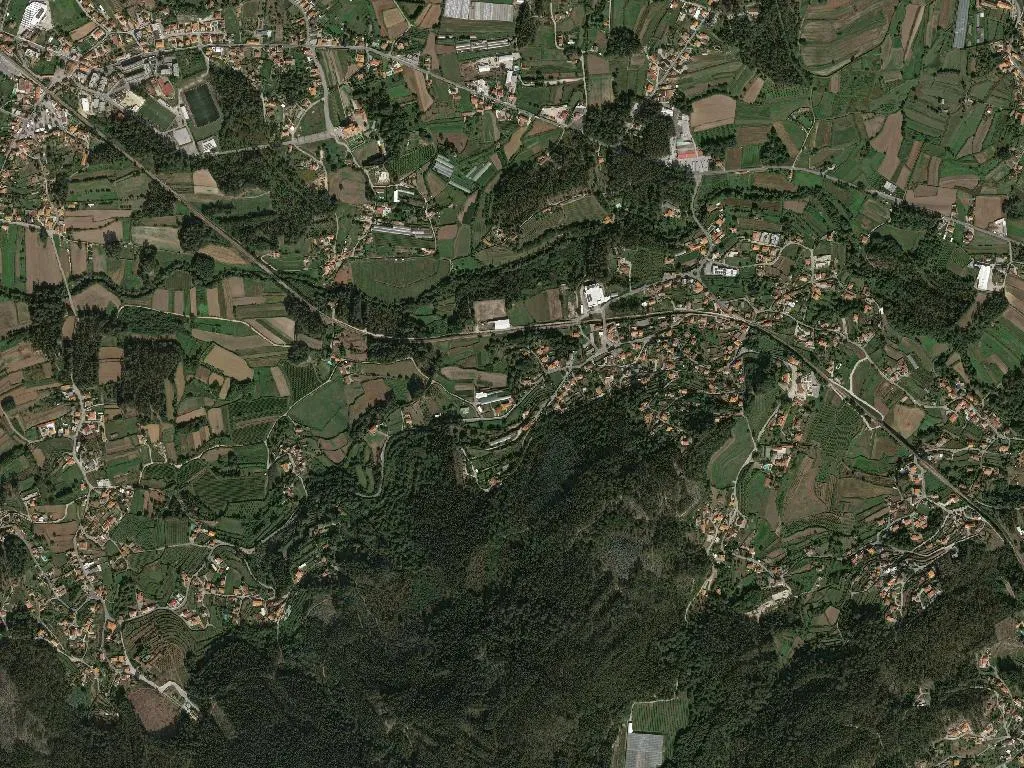
A pilgrim’s pack slumps against a low granite wall, next to a cherry that hasn’t yet set fruit. It is half past ten and the Central Portuguese Camino spills onto the plain where vines sag like slack guitar strings. The smell is not of vineyard foliage; it is of damp, iron-rich earth that clings to soles and of cow manure spread yesterday by the smallholder up-lane. Between Durrães and Tregosa the landscape never announces itself—it is simply there, as it always was, 67 m above sea level on the chart but corrugated enough to make a Massey-Ferguson cough when the trailer is full of fertiliser.
What the Feet Register
Loose shale shifts under boot. Aluminium trekking poles clack on granite setts. After twenty kilometres heat rises from the insoles like steam from fresh bread. Pilgrims pause at a spring whose water tastes of blood and drink from cupped hands—no one has thought to leave a mug. When Maria opens her hatch she serves a galão in a reusable plastic cup and refuses to stamp credentials. “That stamp business is new-fangled. In seventy-eight walkers paid with stories.”
A Working Landscape
Vines do not “stretch in orderly rows”; they cling to terraces cut by the current owner’s grandfather, too narrow for today’s tractors. The overhead pergola bunches are for the household red; the espaliered rows go to the Barcelos co-op for a price that never covers the labour. Granite does not “outcrop”; it is stacked, stone on stone, with sand and lime that frost nibbles away. At crossroads, roadside crucifixes read like footnotes: “António Mota died here 1952, struck by a milk lorry.”
When the Crosses Take to the Streets
The Festa das Cruzes happens in May, but preparations begin in April when Joaquim heads for the scrub to cut broom to deck the village cross. There is no printed programme: Sunday means procession; Dona Albertina’s folar costs €2 (€3 wrapped in foil); the priest frowns if children sit on the church steps. At night the folklore group has rehearsed the vira three times and still falters; no one minds—co-op wine is €1 a cup and the accordion is in tune.
What Was Left Behind
Of 1,379 residents, twenty-three still plant maize behind the cemetery; the rest have let the land or left it to broom. The census lists 156 children, yet Durrães primary has eight pupils across three year groups; their teacher commutes from Barcelos in a Renault 19 with 400,000 km under its belt. The pastel-rendered bungalows belong to returnees from Paris or Porto; the low granite doorways conceal treadle Singers and sepia portraits where no one smiles.
When the sun drops behind the hill where a hermitage once stood, Sr Albano’s roof glows rust-red. He still fetches firewood, knows the single cork oak in the parish, remembers four cafés and now only one. The pilgrim walks on, jumper knotted at the waist, sweat cooling. In his wake the barking of Albano’s dog—less a threat than a century-old courtesy: someone passing, as they always have, through a place time refuses to outpace.