Full article about Fornelos: Where the Bell of São Martinho Cracks the Dawn
Roman arches, cedarwood Christ and river-mist—Fornelos keeps time with scent, stone and fire.
Hide article Read full article
The bell of São Martinho doesn’t toll—it detonates
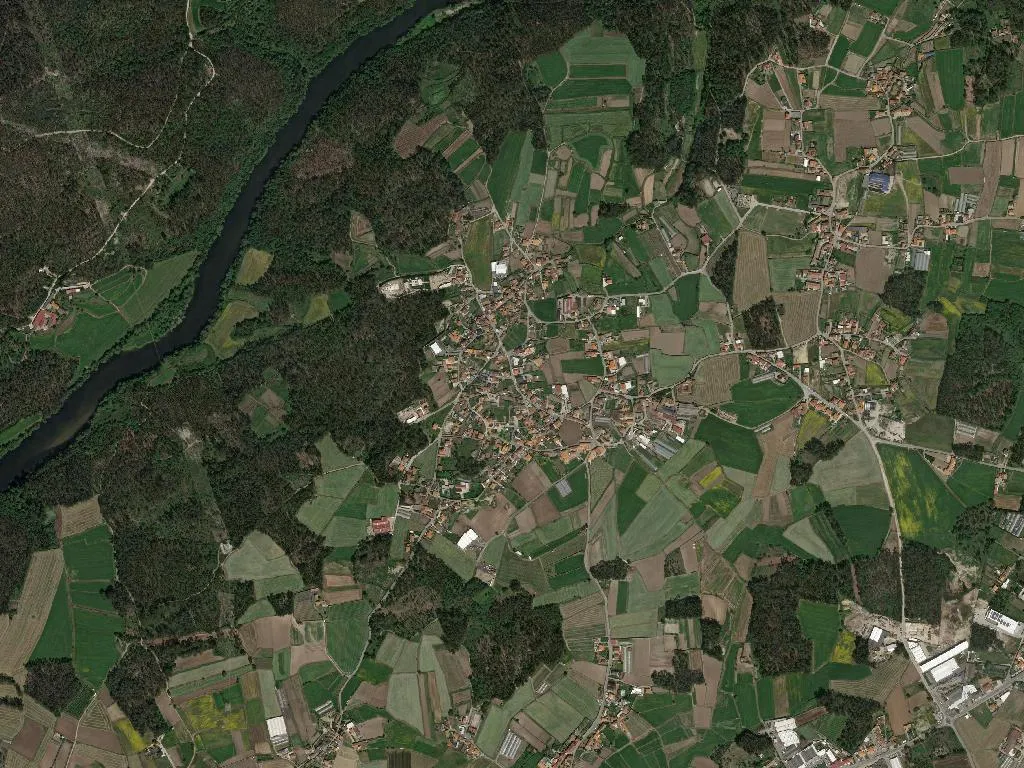
A single metallic crack, then the note rolls over terracotta rooftops and settles in the lanes like brick-dust. Below, the River Cávado swaps yesterday’s cloudy water for tomorrow’s; mallards steam across the surface like paddle-boats. In May the girls snip flowering lemon branches for the procession—not to carry, but to trap the scent in their hair with elastic bands.
Stone and devotion on the pilgrim road
Fornelos owes its name to the lime that once burned on the hill; villagers said “I’m going to the kilns” until the phrase calcified into a place. The earliest charter dates from 1515, yet locals insist the church was already standing when the first cock crowed. The Romanesque portal is low—Alfonso VII’s knights scraped their mail-clad knees here—inside, a cedarwood Christ gapes as if asking for water. Approaching from Milhá you smell the village before you see it: manure curing in the fields drifts up the same slope the pilgrims walk down.
The bridge keeps three original Roman arches; two later ones patch the gaps. In drought the medieval stonework bares its bones, in flood it vanishes under café-au-lait water. Cross at dawn and your shoes drink dew; by 7.30 the Central café has loaves out of the oven and butter melting into corn-bread.
Flowered crosses and chestnuts on the fire
Festa das Cruzes begins on Friday afternoon when women gather in the churchyard armed with kitchen knives and home-grown greenery. Some weave crimson dianthus bought from Rosa’s van in Barcelos, others raid their yards for rosemary and bay. No prize is awarded, only prestige: the tallest arch equals the tallest son equals the best-fed child. That night the village band plays the Vira until the soil seems to jump; in iron pots whole suckling pigs revolve, skin popping like blistered paint, fat flaring into blue flame.
November’s magusto is held on the old schoolyard. Boys tip chestnuts from jacket hoods, grandfathers bring green-plastic flagons of rough red. The toothless gum the nuts with borrowed incisors; the wine is still fermenting, clouding the glass, but nobody complains—it tastes of grapes that refused to wait for the harvest.
Rojões, sausages and the green of the vines
Before Sunday’s 11 o’clock Mass the bakery ovens are already loaded. Pork shoulder arrives from Campos, sweet paprika from Zé Múcho’s shop, garlic from backyard plots. A proper crust forms only if the oven draws correctly; if not, Dona Guida drapes a shawl over her head and coaxes the fire with a shovel until it behaves.
In the cellar smokehouse two meat chouriços and one blood chouriço hang like burgundy batons; oak-smoke clings to the washing on the line and the upstairs neighbour complains her jacket “smells of bonfire”. Sarrabulho porridge is cooked only on slaughter day, when the copper pot can be filled; tables are laid in the wine cellar and last year’s red—now past its youthful prickle—pours thick and dark.
Between vineyards and the promised greenway
The ecovia has been “coming soon” for a decade; for now it remains a footpath children use to raid wild strawberries. The landscape needs no upgrade anyway. Vines climb terraces so narrow the donkey must walk sideways; maize grows until it bars the doors of abandoned cottages; the Levada oak carries a knot that tells fishermen they are halfway home.
At dusk the sun strikes the upper house and ricochets through the church window, lighting the right eye of the carved saint. The bell clangs three random times—the sacristan’s alarm clock is fast. Shadows stretch across the granite plinth and the Cávado carries the last gold coin of light downstream, pocketed for the night.