Full article about Gamil e Midões: Flower Pyramids & Granite Silence
Vines, azulejos and living crosses in Portugal’s tiniest fused parish, 5.84 km² of Minho soul.
Hide article Read full article
Between Gambul and Midones
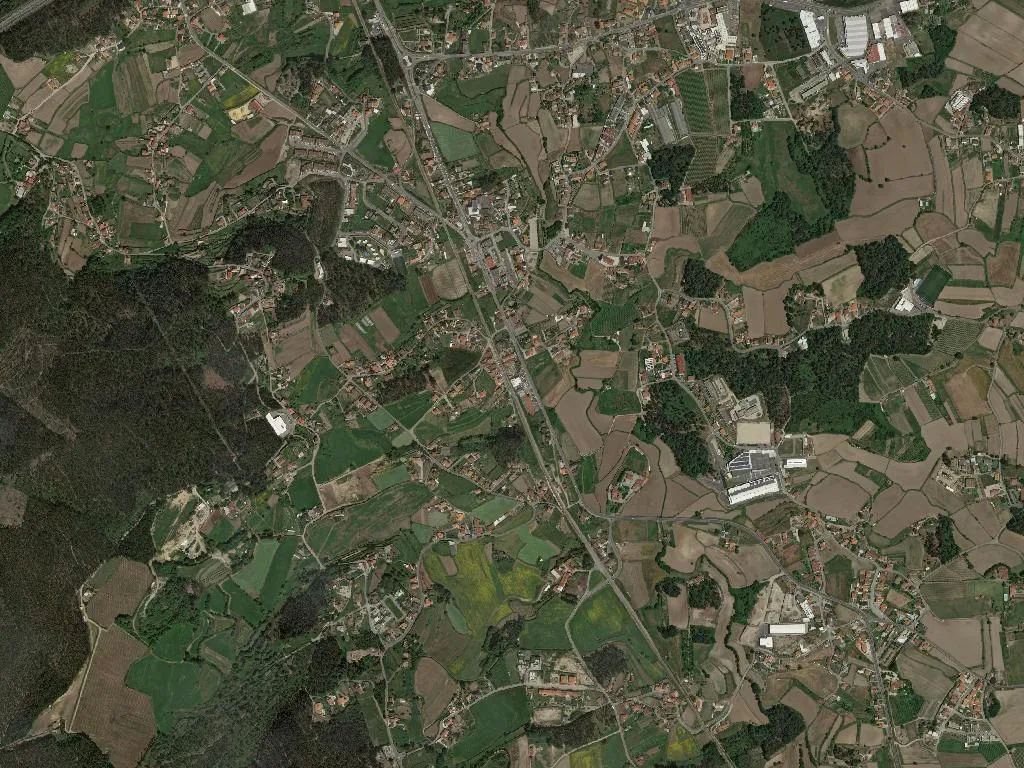
The sound of footsteps on uneven cobblestones ricochets between low granite walls. Mid-morning light slips through pergola-trained vines, sketching shifting shadows across the lane. In the merged parish of Gamil e Midões, green is not a colour but a climate: moss sheathing stone water troughs, trellised Loureiro vines climbing towards the Cávado valley’s sticky winter humidity, and oak scrub freckling the 50-metre contour line.
Two hamlets, one ledger
Barcelos’ medieval land register already listed Gambul and Midones when Portugal was still a county. Philologists argue whether the roots are Roman or pre-Roman; the parish simply keeps the names alive on hand-painted azulejos beside the chapel doors. Administrative tidying in 2013 fused the settlements into a single 5.84 km² unit—one of the country’s smallest—yet left their identity intact: no showpiece monuments, just stone crosses, whitewashed ermidas and the same granite stiles farmers have swung their legs over for eight centuries.
May’s living altars
During Festa das Cruzes, ladders appear before dawn. By terce, the village squares are ringed with three-metre pyramids of carnations, pillar roses and hydrangeas wired to eucalyptus poles. The scent of petals competes with charcoal grills where butterflied sardines spit and chouriço swells. A brass band precedes the procession, but the real liturgy is agricultural: the flower crosses mark the brief hiatus between sowing maize and tying back the vines, a Minho-wide ritual performed here with living-room intimacy.
Vine terraces that pilgrims share
The Central Portuguese Way of St James cuts straight through the parish. Backpackers follow identical soil ridges that tractor tyres leave between Loureiro, Arinto and Trajadura plantings, the white-grape triumvirate that underpins Vinho Verde. No superstar quintas occupy the terraces; instead, smallholdings feed the cooperative press at nearby Barcelos, quietly claiming a stop on the Rota dos Vinhos. By late August the air carries the jammy note of over-ripening bunches, and walkers often accept a spontaneous bunch from a grower completing his evening rounds.
The arithmetic of staying
Population 1,377. Density 236 per km². A balance sheet of 184 children and 234 elders tells the demographic story of interior Minho without a single statistic more. Accommodation is limited to one pilgrim hostel, converted from the primary school after roll numbers dipped below thirty. There is no café, no restaurant, no artisanal cheese atelier—just the parish council office open three mornings a week and the weekly Barcelos market five kilometres away where ceramic cockerels outnumber shoppers. Visitors learn quickly: come provisioned, or be prepared to knock on a door.
Where granite keeps the hours
Afternoon light rakes ochre walls and ignites quartz specks in door lintels. By then Gamil and Midões have settled into their double nature: through-route for trekkers, anchor-point for those who prune the same vine their grandmother planted. No attraction queues, no gift-shop soundtrack, only the noon bell, the rasp of secateurs and October wood-smut drifting from chimneys. Repetition is not monotony here; it is the parish’s method of memory, written in stone, soil and the persistent green of overhead vines.