Full article about Lama
Walk Rua das Vinhas past single-storey cottages, vegetable plots and a dog too lazy to stand
Hide article Read full article
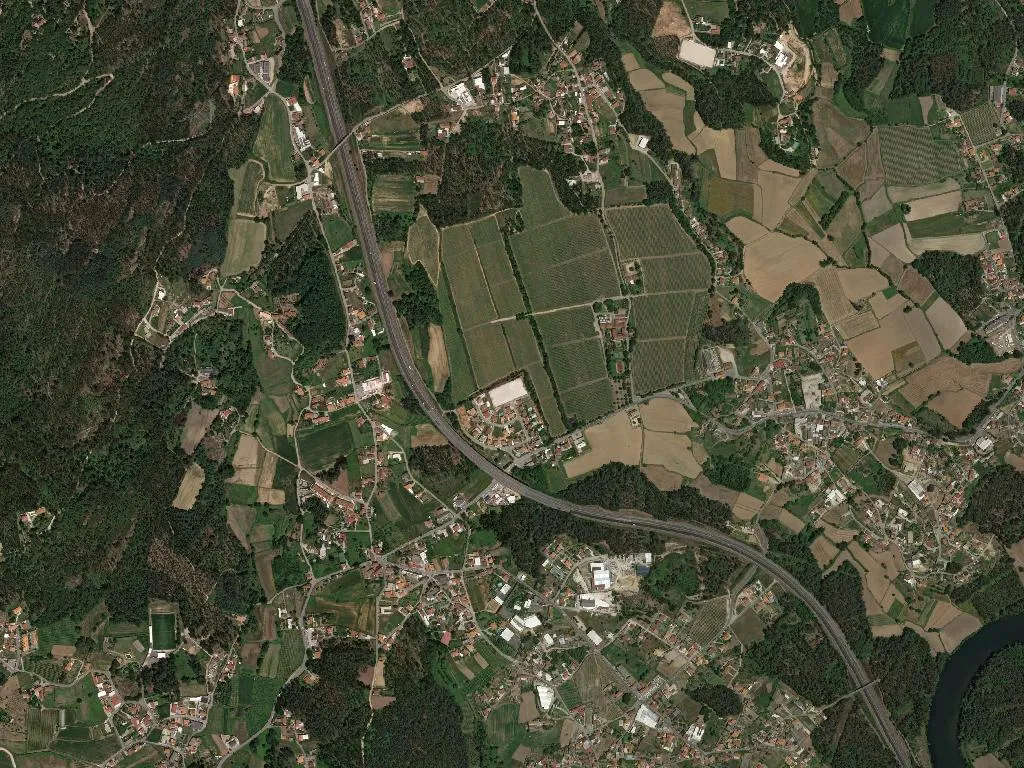
The granite setts shine as if they’ve been buffed with wax, but it’s only the dawn sliding over them. Mist clings to the cottage walls like Joquim’s donkey tethered to the olive tree: it won’t shift until it’s ready. Walk the length of Rua das Vinhas and you understand the geometry of the place—single-storey houses, vegetable plots stitched to their fronts, a dog that barks from its straw mat without bothering to stand. Nothing rises very high here: not the hills, not the hens’ flight paths, not even the afternoons.
In the pilgrims’ wake
The Central Portuguese Way cuts across the parish road with the indifference of a commuter. Hikers appear soon after first light, already wearing the half-dazed look of people who’ve demolished a packet of digestives for breakfast. No one asks them for selfies, donations or thanks. Dona Odete sluices her front step, but the water is aimed at dust, not devotion. The vineyards follow their wire trellises, the fields keep their straight lines, and we keep solar time: when the sun hits the church façade, it’s lunch.
Crosses that bloom
May brings the Festa das Cruzes. Locals erect a flower-decked cross in the churchyard the way a billiard table is installed—frame first, finery later. Grandmothers twist crêpe-paper blooms the colour of boiled sweets; teenage boys hang them with the reluctant air of cousins doing each other favours. At night there is procession, but the real procession is the shuttle between the dance marquee and the sardine stall. You eat standing, drink from plastic tumblers and no one complains: the playlist hasn’t changed since Tino learnt to play the keyboard with his eyes shut.
Wine that drinks the fog
Lama’s vinho verde isn’t for cellaring—it’s for swallowing young, preferably before your neighbour finishes his. Bottles are sold from kitchen doors: knock at Quinta do Rocha and the owner’s wife appears in slippers, proffering a two-litre flagon of loureiro that costs less than a pouch of rolling tobacco. It’s served in red-wine tumblers alongside crackling that still pops. If hunger bites, take a corn-bread loaf as well—it will scorch your tongue, but as Rocha says, “Anyone in a hurry eats it hot.”
The weight of the everyday
There are more bus-pass holders here than new driving licences, yet what looks like decline is only deceleration. Cunha’s grocery unlocks at nine, though no one drifts in until half past. The primary school has sixteen pupils—enough for a five-a-side team and a spare goalkeeper. Still, voices carry at dusk when mothers holler supper calls and dogs, familiar with every surname, refuse to lift their heads.
When darkness arrives, the scent of burning eucalyptus precedes the streetlights. Chimneys draw smoke, conversation and the whole day indoors. You stay listening to the tomcat on the wall, watching Dona Alice’s television flicker through her kitchen window, realising Lama isn’t for travellers in a rush to tick boxes. It’s for those who prefer to be overtaken—by a cow, by a thought, by the slow certainty that time here is measured in embers, not alarms.