Full article about Moure at Dawn: Rooster, Bakery, Vine-Scented Air
Watch linen slap granite, sip 60-cent espresso, taste cinnamon arroz-doce in Barcelos parish.
Hide article Read full article
Dawn pulls the curtain without asking
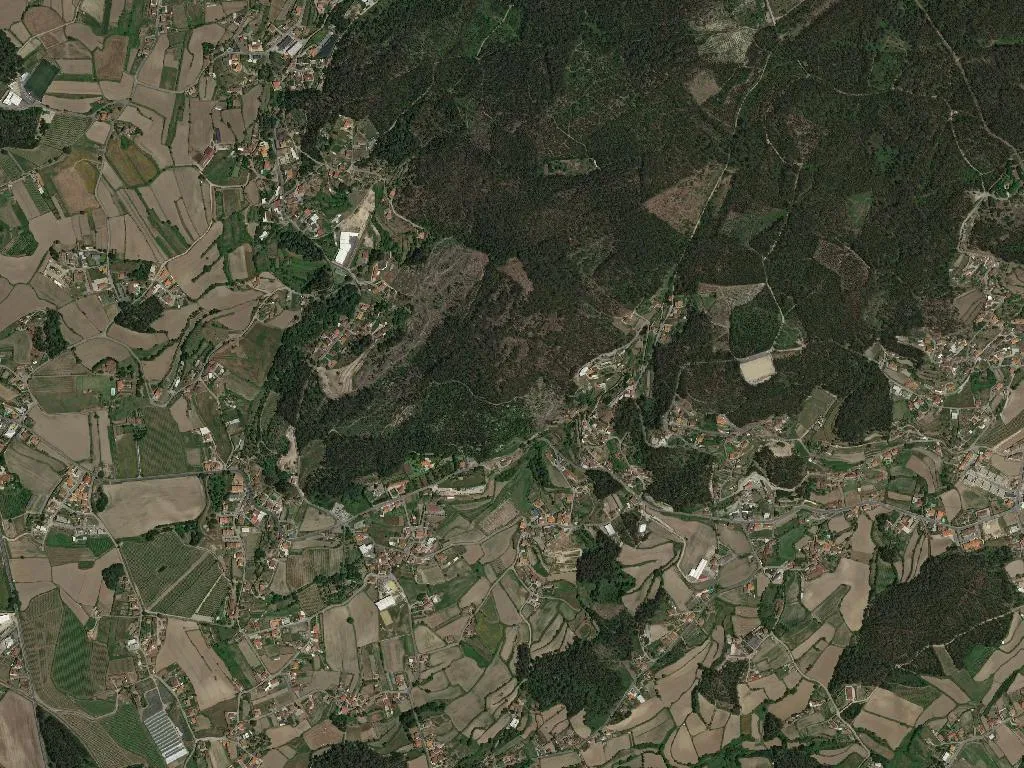
The first blade of light slips between the Loureiro vines and lands on a whitewashed wall still warm from yesterday’s sun. At 216 m above the Atlantic, Moure wakes before the tractors: Senhor Aníbal’s rooster, then Valeiro’s dog barking at the same rusted gate for a decade. By 6.30 a.m. the padaria has surrendered its first papo-secos; inside, Dona Rosa balances a plastic tub of cinnamon-scented arroz-doce for the granddaughter who refuses porridge.
There are no signposts to monuments here. Instead, a granite fountain where linen still beats against stone, a wayside cross rubbed smooth by foreheads, and a door the colour of hydrangeas that no one remembers closing.
Between the telegraph poles
The vineyards are not scenery; they are the parish ledger. In July the same sweat collects on the pruner and the passing rambler, and the air tastes of sulphur from last night’s anti-mildew spray, bruised earth, and grape must that lingers under fingernails until dinner. Winter brings horizontal rain that darkens the stone to the colour of burnt toast. Those without vines keep vegetable plots; those without plots claim a cousin who does.
The afternoon that lasts all year
The school bus inhales twenty-two children at 7.47 a.m.—twenty-one if Henrique forgets his satchel again. After the dust settles, women scrape collard leaves against doorframes while men drift to Zé’s café where an espresso costs sixty cents and comes with the obligatory “Então, como vão as coisas?” On Wednesdays the village smells of maize broa; on Fridays grilled sardines drift down the lane like an announcement no one needs to make.
When the crosses wear flowers
May drapes the roadside shrines in crepe-paper roses and daisies picked before the dew evaporates. The village band rehearses ‘Ave Maria’ for three weeks, forgiving every flattened seventh. Behind the igreja matriz, returnees from Lyon argue over who pays for the next litre of vinho verde while their children pick procession sweets off the warm flagstones. For three days the air is thick with marigold and charcoal. On Sunday night Dona Lurdes coils the ribbons away beside yellowing photographs of earlier processions and earlier faces.
Footprints that don’t register
The Portuguese Coastal Camino skirts the parish boundary but rarely steps inside. Pilgrims refill bottles at the school tap, ask how far to Ponte de Lima, swap knee-compression tips. No one tells them the chapel where they shelter is where the priest once married grandparents without seeing a birth certificate. When they leave, a white dust cloud rises and settles on the figs like icing sugar.
Dusk that refuses to end
When the sun slips behind Monte do Viso the sky turns the colour of must. Zé pulls down the café’s iron shutters; the television flickers silently to the evening news. Crickets start up, followed by the low hum of irrigation reels that glide across the darkness like ghost ships. At 10.30 p.m. the only glow comes from a bedroom where a grandmother still knits the heel of a sock her grandson will collect at Christmas. Moure does not sleep; it simply dozes, the door left ajar for the cat who has seen every harvest since 1998.