Full article about Palme: maize dawn, pilgrim quiet & clay-mug wine
Walk the Camino’s unmarked café, sip ramada-shaded red in Palme’s granite hush
Hide article Read full article
The bell counts the hours into the maize
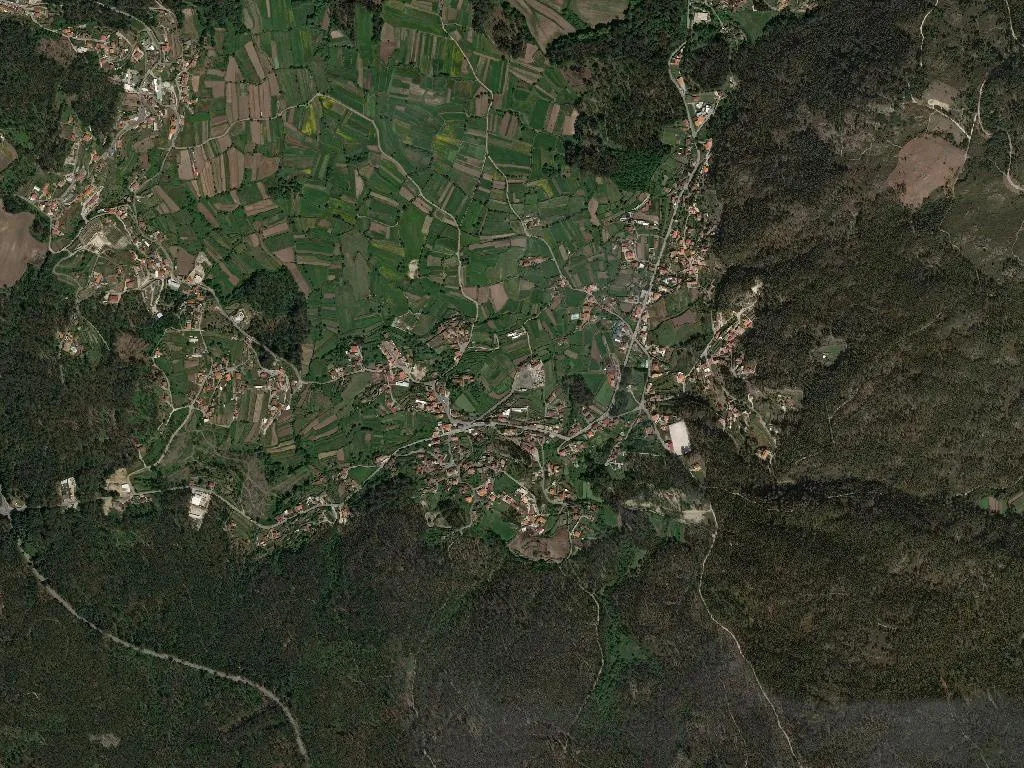
Dawn in Palme is acoustic: first the cockerels, then the Cávado riffling along the eastern border, finally the church bell whose bronze note rolls across 831 hectares of smallholdings and disappears among the tassels. By the time the mist lifts, 1,045 residents are already moving between granite plots and vines trained low to the breeze.
Way-markers for the willing
The Central Portuguese Camino slices through without signage. Pilgrims recognise the stop only by instinct: a single café on the N103, a granite trough whose water is colder than it should be in August, a wooden bench under a lime that nobody has bothered to name. No one sells scallop shells or fridge magnets; the souvenir is the silence once you leave the tar and walk the dirt track skirting the stream.
Terracotta and tannin
Vines here are still pruned en ramada, the canopies like green umbrellas shading the grapes from the Iberian glare. Between rows the same grey granite used for medieval manor houses stores the day’s heat and releases it after dark, so the fruit ripens a week earlier than on the valley floor. The wine is pressed in an outbuilding behind a house whose door is never locked; it is poured from a clay mug into bowls of arroz de cabidela while the Atlantic weather front rattles the shutters.
Three days of fireworks, three hundred of quiet
Festa das Cruzes – the Feast of the Crosses – happens every May. Emigrants drive down from France or Switzerland, padlocks click open on long-closed houses, and the churchyard becomes a dance floor of chestnut stalls and grilled chouriça smoke. On the fourth day the village exhales; the only sounds are the maize leaves sharpening in the wind and a gate hinge that needs oiling.
Where to sleep and what to eat
There is one legal guesthouse – a 19th-century farmhouse restored with underfloor heating and linen from Guimarães – but no sign outside. Hotels do not exist; the parish shop shuts at seven. If you want dinner, telephone Dona Albertina before noon and she will kill the chicken, stew the tomatoes and set the iron table under the persimmon tree. Barcelos, with its nightly pilgrimage of pottery roosters, is fifteen minutes by car; Palme itself offers only a hand-drawn map on the café wall and the promise that, if you follow the lane beside the irrigation ditch, you will eventually hear the bell again.