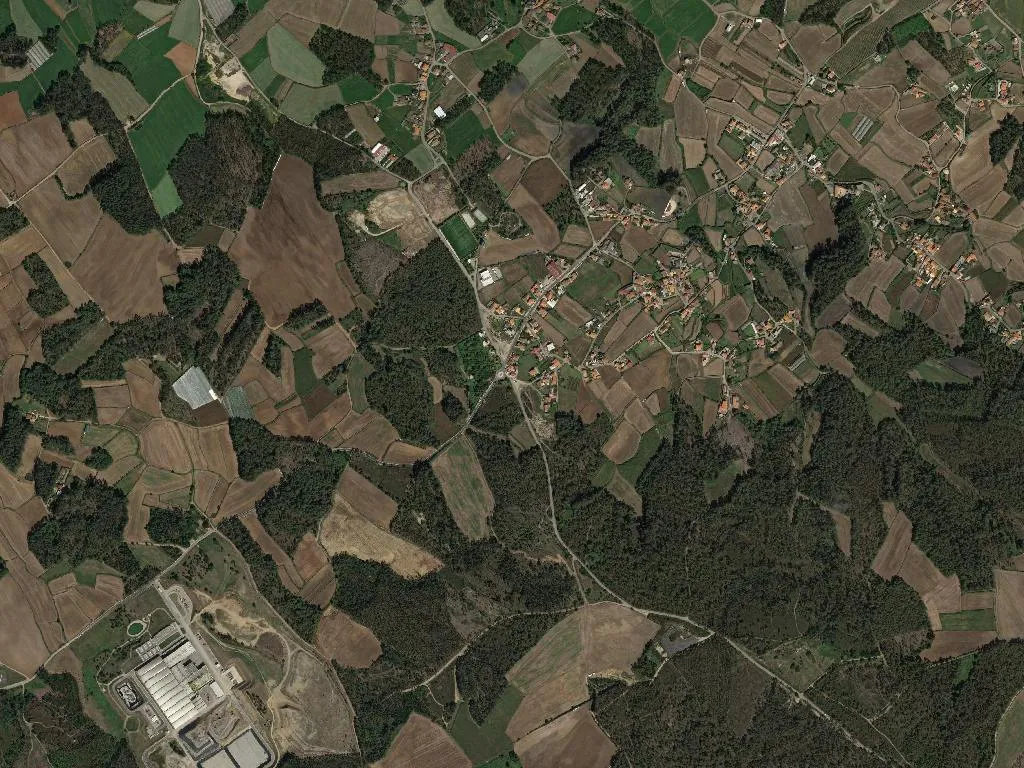
Full article about Paradela: Where the Pilgrim Bell Still Commands the Vines
Paradela (Barcelos) freezes time: 1743 granite cross glows at dusk, 1751 ledger unlocks by appointment, Festa das Cruzes sizzles with pork-and-blood stew.
Hide article Read full article
The bell that marks the fields
At seven o’clock sharp the parish bell strikes. The note rolls over the maize terraces and the young Alvarinho vines until even the dogs tire of answering it. On clear May evenings the stone cross erected in 1743 catches the sun for exactly twelve minutes and glows like burnished brass before the granite cools back to grey.
A natural pause
Paradela first appears in a 1262 charter – its name simply means “stop”. It still functions as one. The inland Portuguese Camino slips into the village through a tunnel of eucalyptus, crosses the rivulet on a single-arch bridge and leaves again after 2.8 km of ochre earth. Pilgrims pause at the granite font, refill plastic bottles and sit on the wall. No-one charges, no-one stares.
The locked account book
Inside the Romanesque mother church sits a 1751 ledger listing who could graze their sheep where, the daily rate for a reaper, and which elders settled quarrels. Known as the “Men of Speech”, their rulings were written in iron-gall ink that is still legible. The book now rests behind oak doors; the key belongs to the parish council. Phone 253 821 094 a day ahead and someone will meet you with it.
3 May: Festa das Cruzes
Mass at nine, procession at eleven. Women balance wicker trays of rabanadas (cinnamon-drenched French toast), toucinho-do-céu (almond-rich “bacon from heaven”) and folar, a buttery Easter loaf laced with cured ham. Men wheel barrows of Vinho Verde. Mid-afternoon the clay bowls of sarrabulho – a peppery pork-and-blood stew – appear. Dancing lasts until three in the morning; volunteers willing to erect or dismantle the bandstand are fed soup and a glass of red on the afternoon before.
The house that nobody can afford to open
Casa da Cruz – now locally nicknamed Casa da Pena – stands four hundred metres east of the church. Its two-metre oak door is unlocked with a half-kilogram iron key. Walls are eighty centimetres thick, the fireplace wide enough for two oak trunks. The council bought it for €120,000 with EU funds, discovered the roof budget was missing, and locked it again. You can walk the perimeter; look for the granite cross inserted above the lintel.
Where to sleep
Three dwellings are licensed for guests: two in Lugar do Cimo, one in Carrasco. Expect €60–80 a night, booked by WhatsApp (numbers on the parish website). Breakfast is not provided; be at the Casa do Povo at seven for espresso (€0.65) and buttered pão de milho (€0.80).
Arriving
Leave the A11 at exit 11, follow the N103 for six kilometres, turn right at the brown sign for Paradela and continue three kilometres of tarmac narrowed by maize. Bus: Barcelos–Aborim line, stop “Paradela-Igreja”, 07:30, 12:30, 17:30, €1.95.
At 22:00 the streetlights switch off; the only glow comes from television screens behind shutters. At 06:00 the first tractor coughs into life and the day begins again.