Full article about Silveiros: Where Vine Bells Echo Down to the Cávado
Silveiros, Barcelos, hides flower-decked crosses, riverside vineyards and a Camino trail scented with Vinho Verde.
Hide article Read full article
The church bell strikes at half-past ten and the note rolls down a slope stitched with terraces of Loureiro vines, sliding until it kisses the Cávado river below. Morning light slips between the trellises at a low angle, printing long indigo stripes on soil still spongy from the Atlantic night. Nobody hurries. Footsteps click along granite cubes that carry a film of dew; droplets tremble on vine leaves like small glass bells.
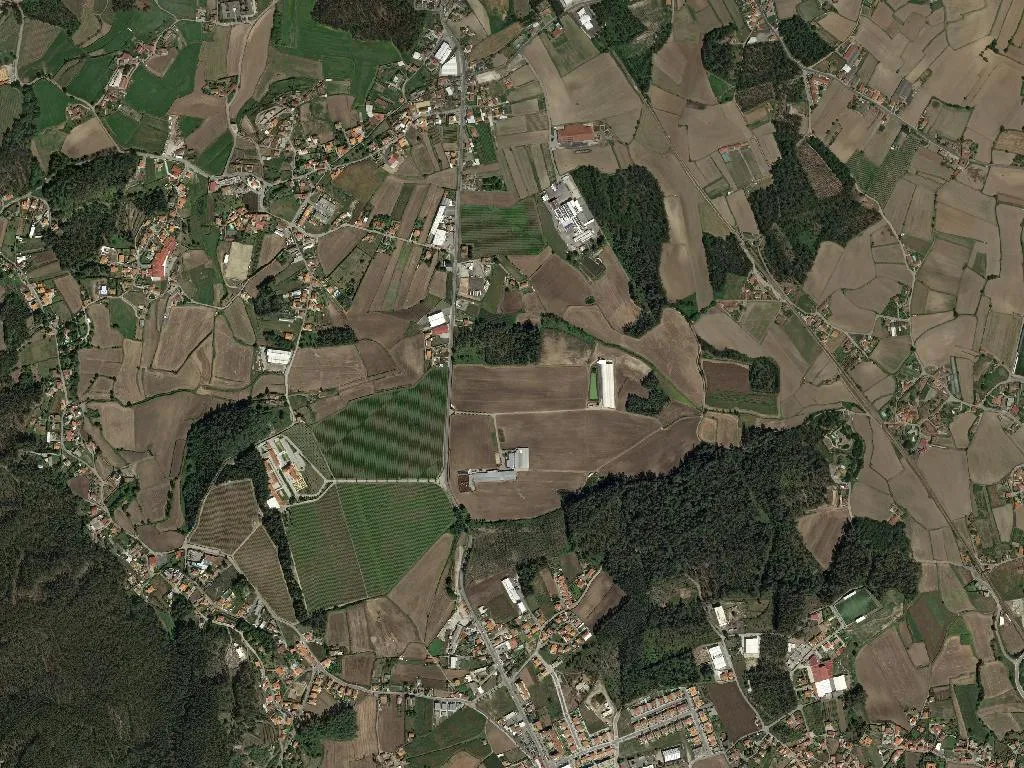
Silveiros spreads across barely four square kilometres of northern Minho, yet every hectare is colour-calibrated: holm-oak midnight, young-leaf chartreuse, meadow-green edging quickly to gold. Of the 1 049 inhabitants, most live in couples’ cottages set apart by hand-built walls of the same grey stone that paves the lanes. Children—136 of them—share one primary-school playground; 204 grandparents remember when the entire village practised hand-picking in September, must plodding to the stone lagar by lamplight.
May Crosses
On the first weekend of May the parish stages the Festa das Cruzes, a floral exclamation mark against the agricultural calendar. Flowered crosses—some three metres tall—rise in churchyards and at crossroads; processions follow tractor-rutted tracks between smallholdings; candle-wax and rose attar mingle in the breeze. No one is paid to perform; the liturgy is simply labour redirected—pruning finished, first buds visible, time to give thanks before the next task.
Granite & yellow arrows
The Central Portuguese Route of the Camino de Santiago cuts straight through the village, way-marked in cadmium on dry-stone walls. Backpackers climb the 6 km from Barcelos, treading the same worn blocks that carried medieval traders. Farmers still pause to let walkers pass; water spouts from granite fonts shaped like chalices. Pilgrims rarely outnumber tractors, yet their presence reminds locals that Silveiros has always been a corridor rather than a cul-de-sac.
Schist-bright Vinho Verde
Vines here are trained either high along braided ropes or low on wire, depending on whether the planting predates 1985. White grapes—Loureiro for blossom scent, Trajadura for body, Arinto for electric snap—root into decomposed granite veined with schist. That bedrock gives the wine its sea-spray bite, a flavour you taste in farm kitchens rather than tasting rooms: poured from unlabelled bottles to accompany roast cod or pork belly, the meal stretching until the swallows reappear.
Dusk settles slowly. Vineyard shadows dissolve into general twilight; humidity rises from the river like exhaled breath. Somewhere a dog rehearses the same two-bar bark, a diesel engine drops to idle. Old stone walls absorb the last heat, releasing it grain by grain, storing the memory of every May cross, every harvest, every bell note that has slipped down the hill since the vines were first planted.