Full article about Bell of São Martinho Unites Four Barcelos Hamlets
Viatodos, Grimancelos, Minhotães & Monte de Fralães share wine, saints and stone
Hide article Read full article
The bell that keeps four villages on time
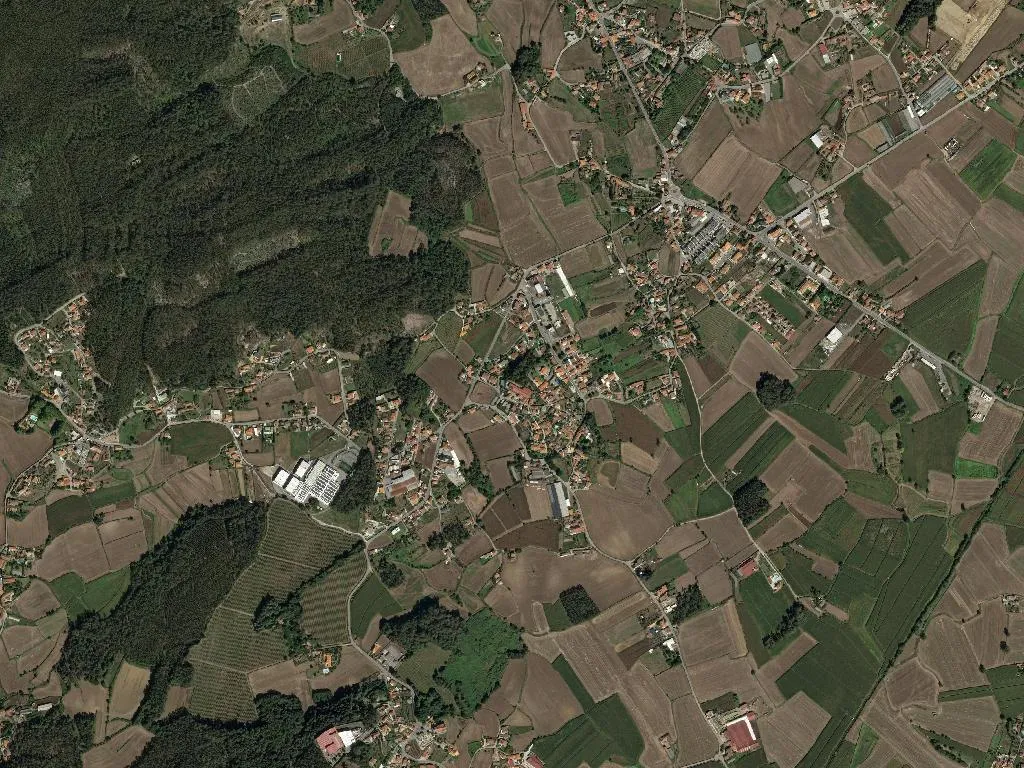
Long before the sun clears the Atlantic ridge, the bell of São Martinho in Viatodos is already at work. Its bronze note slips downhill, skims across trellised Loureiro vines and slips into the slate doorways of Grimancelos, Minhotães and Monte de Fralães—four parishes bureaucratically stitched together in 2013, still stubbornly individual in habit. The stone crosses that stand at every other bend are village full-stops; the bell is the comma that keeps the sentence running.
One parish, four identities
Each hamlet guards its own saint and annual crescendo. Viatodos keeps São Martinho’s November roast chestnuts and young red wine; Grimancelos reserves July for São Tiago, processional brass bands echoing off Manueline doorframes; Monte de Fralães lights June bonefires for São João Baptista; Minhotães still measures the year by the August pilgrimage to its hill-top Capela de São Roque. Between them, 1,239 hectares of granite-walled terraces support 3744 inhabitants—an ageing ledger of 803 seniors to 464 under-25s, according to the 2021 census—yet the landscape feels quietly inhabited rather than empty.
Above the Rio Neiva—here a modest, willow-lined 30-metre ribbon—espigueiros rise like timber sentries among vegetable plots. Their larch pillars are cracked by a century of Atlantic humidity drifting inland from Esposende, 20 km away. At 108 m above sea-level the Atlantic breeze cools the grapes without the diurnal whip-saw of the inland mountains; the result is a Loureiro that balances lime-zest acidity with a faint salt note reminiscent of sea-spray.
A yellow arrow among the vines
The Central Portuguese Route of the Camino de Santiago cuts straight through this mosaic, but it refuses to behave like a tourist artery. Yellow arrows appear on electricity posts and stone walls, then vanish into a cow-track shared with a farmer on a red Massey-Ferguson. Between Viatodos and Grimancelos pilgrims walk a calçada path no wider than a single ox cart; the same lane serves women carrying wicker baskets of mint and coriander from irrigated gardens. No credential stamp office, no souvenir stall—just a granite drinking trough refilled daily by a gravity-fed spout, the parish council’s single concession to through-traffic.
When the calendar, not the clock, governs
May’s Festa das Cruzes is the one moment the four villages move in concert. Over three nights processions weave between parishes, carrying flower-draped crosses along lanes lined with box-tree bonfires. The rest of the year each settlement keeps its own liturgical beat: the thud of bass drums for São Tiago, the crackle of jumping-jack fireworks for São João, the clang of the church bell for São Martinho—every toll counted by elders who still map the day in religious time rather than GMT.
Tables are laid with Minho precision: caldo verde poured from enamel jugs, rojões cubed shoulder of pork glazed with cumin and bay, papas de sarrabulho—cornmeal thickened with smoked-blood stock—followed by toucinho-do-céu, an almond-yolk tart so rich it was once reserved for nuns. The wine is always the local Loureiro, bottled without dosage, served in short cylindrical glasses that reveal the pale brass colour and the faint Atlantic salinity on the finish.
Where the river writes the border
Below the last terrace the Rio Neiva slides over granite slabs, too shallow for kayaks, deep enough for herons. Families descend on late-July afternoons to picnic under pollarded willows, anchoring cloth hammocks between alders and teaching toddlers to dam the current with flat stones. No ticket booth, no lifeguard—just the smell of charcoal-grilled sardines drifting upstream and the occasional echo of another church bell carried on the same west wind that once warned of Napoleonic troops.
By late afternoon the low sun ignites the whitewash and the bell of São Martinho sounds again. The echo ricochets off schist eaves, crosses the vines and dissolves above the river. In that narrow interval the four villages pause—no tractors, no televisions, no mobile signal—listening to a single note that still knows how to keep time for an entire landscape.