Full article about Vila Seca: Where Vineyards Outnumber Houses
Flat Cávado parish of 1,064 souls, vines wired like piano strings, wine at 11 % before Christmas
Hide article Read full article
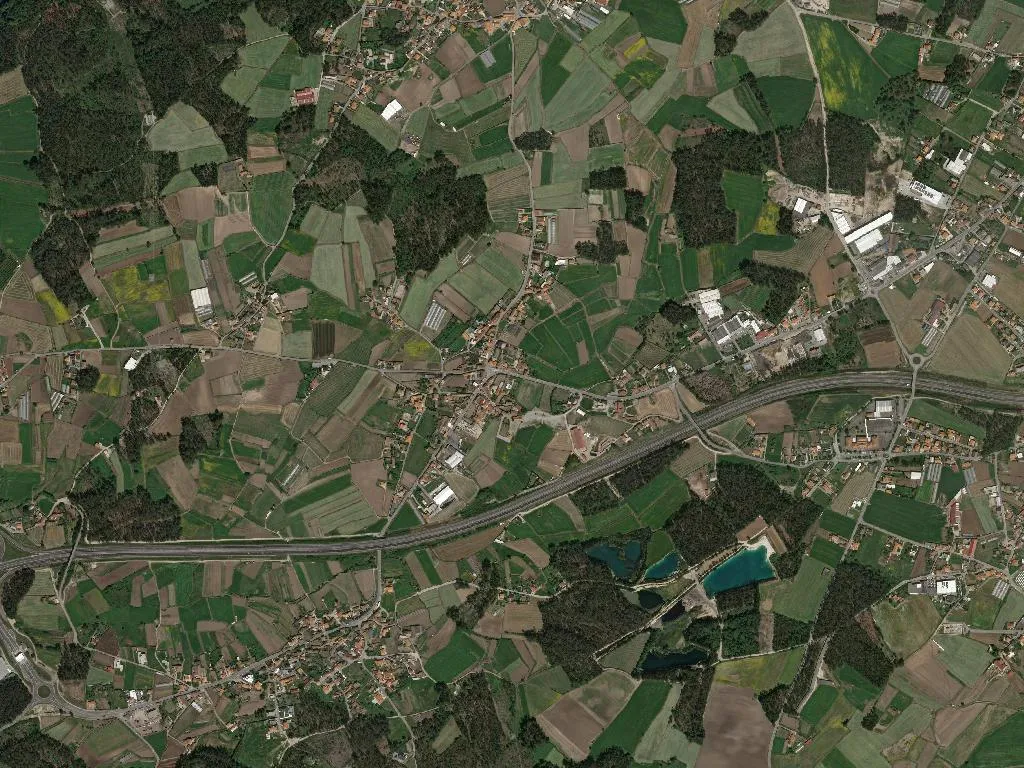
The bell in the granite tower tolls three times; its bronze note skims across the Cávado floodplain and is gone. At 34 m above sea-level the land is table-flat, parcelled into tidy loureiro and trajadura plots whose wires glint like piano strings. Nothing rises here except the vines.
A horizontal life
One thousand and sixty-four people share four square kilometres—roughly the density of a Bloomsbury garden square—so neighbours know whose grapes are whose by the pruning style alone. Two hundred and fifty-two residents are over 65 and can still mime the motion of foot-treading lagares. The primary school holds 131 children; the rest of the generation commutes to Barcelos for work, five minutes down the EN103.
Crosses, wine, footfalls
On the first weekend of May the parish stages the Festa das Cruzes: crosses swagged with garden hydrangeas are carried to the churchyard, blessed, then paraded to a brass band playing lachrymose marches at 60 beats per minute. Two months later the Central Portuguese Camino cuts through, scattering multilingual way-markers and German trekking poles across the cobbles. Pilgrims rinse socks in the stone lavadouro and leave mud-daubed scallop shells on café tables.
What grows here
Loureiro gives scent, trajadura gives spine, arinto keeps the wine electric. The DOC-labeled Vinho Verde is bottled at 11 % before Christmas; in September the air is thick with CO₂ and the sweet sourness of fermenting must. Visit on a Sunday morning and someone’s uncle will appear with a jug of last year’s bagaço strong enough to sterilise a wound.
Architecture without applause
Granite from local quarries builds everything: walls, crosses, 19th-century houses with timber balconies where onions braid next to rust-red maize cobs. New-builds borrow Barcelos’ white-rendered vocabulary, but the palette remains grey stone, red clay, green vine. No listed monuments, only the cumulative hush of a place that has never needed to announce itself.
Dusk turns the terracotta roofs copper; shadows of the vines stripe the road like barcodes. The smell of damp earth and sweet must lingers until the stars come out, and still no one hurries.