Full article about Bucos: Where Granite Breathes & Festas Echo
Slate chimneys, purple Barrosã beef and heather honey above Minho’s clouds.
Hide article Read full article
Smoke rises straight from the chimneys
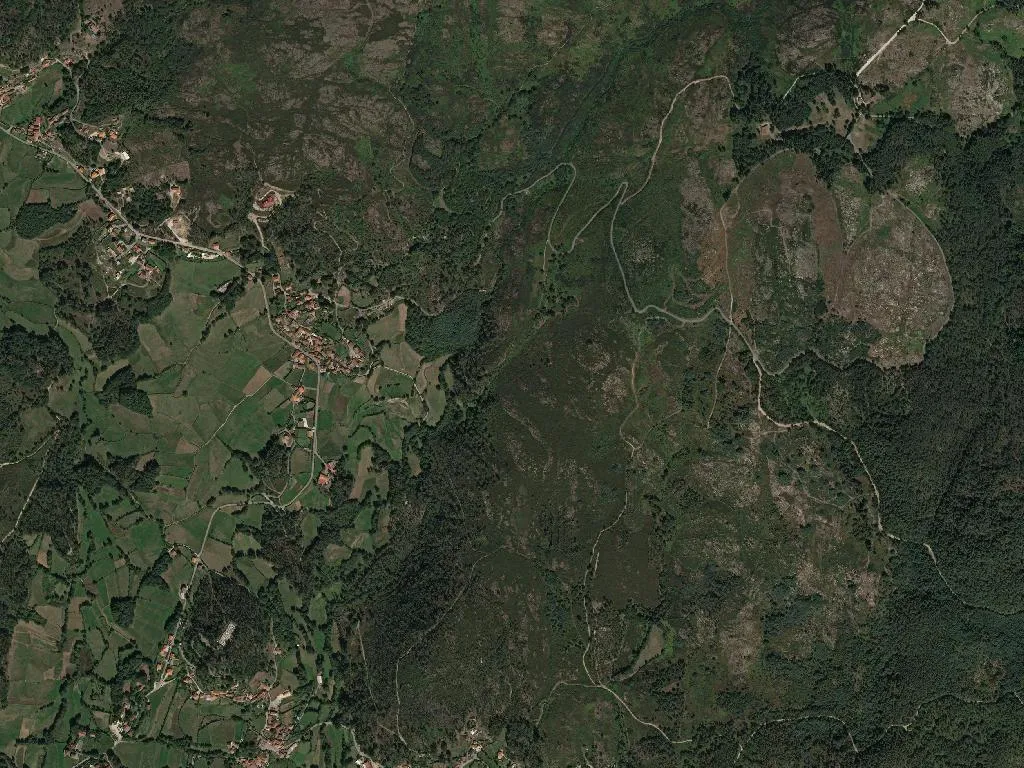
At 672 metres, the slate rooflines of Bucos meet air so clean it feels lightly carbonated. By late afternoon the Minho uplands exhale a chill that tightens around the granite, and the parish’s 469 souls know the peculiar gravity of mountain silence. Time here is measured less by the calendar than by the cycle of festas, the grape harvest, and the slow colour-turn of the oak scrub as the year tilts.
The festa calendar
January opens with Papas de São Sebastião, a porridge-and-bonfire feast that steams away the winter. August brings Nossa Senhora dos Remédios, followed by São Bartolomeu de Cavez, and in late September the Festas de São Miguel round off the season. Each is a magnetic north for emigrants: children who left for Porto or Paris, grandchildren who know these streets only from Instagram. Demography is brutal—146 pensioners to 48 under-25s—but during the festas the square swells, the church terrace glows, and the scent of roast Barrosã beef drifts over the granite walls.
Meat that tastes of altitude
Gastronomy is not rustic theatre; it is geology on a plate. Barrosã and Maronesa cattle—native, chestnut-coloured, slow-grown on thin upland pastures—yield meat that is almost purple, marbled with a mineral tang you could mistake for the soil itself. The third certified pillar is Mel das Terras Altas do Minho, a dark heather-and-chestnut honey whose hives spend eight months braced against Atlantic squalls.
Vertical landscape
Bucos stretches across 1,780 ha of ridge and fold, a buffer zone between the coastal plain and the Trás-os-Montes wilds. Vinho Verde terraces claw into sun-trap valleys, the altitude sharpening acidity in the Loureiro grapes. Population density is 26 people per km²; walk five minutes out of the village and the loudest sound is your own footstep displacing schist.
Stone and firewood
There are no boutique hotels, no yoga yurts. Three stone houses have been quietly reclaimed: wood-burning stoves, hand-woven blankets, windows that frame the moon rising over the same granite outcrop their grandparents knew. Morning starts when the bakers fire the communal oven; evening ends when the grocery shutters rattle down and the last glass of aguardiente is emptied on the step. Tomorrow the valley will wake to precisely the same cadence it chose centuries ago—one Bucos feels no hurry to rewrite.