Full article about Cavez: where oak smoke braids into dawn mist
Granite hamlet above the Tâmega, gilded baroque altars, maize porridge feasts and DOP beef
Hide article Read full article
Smoke on granite
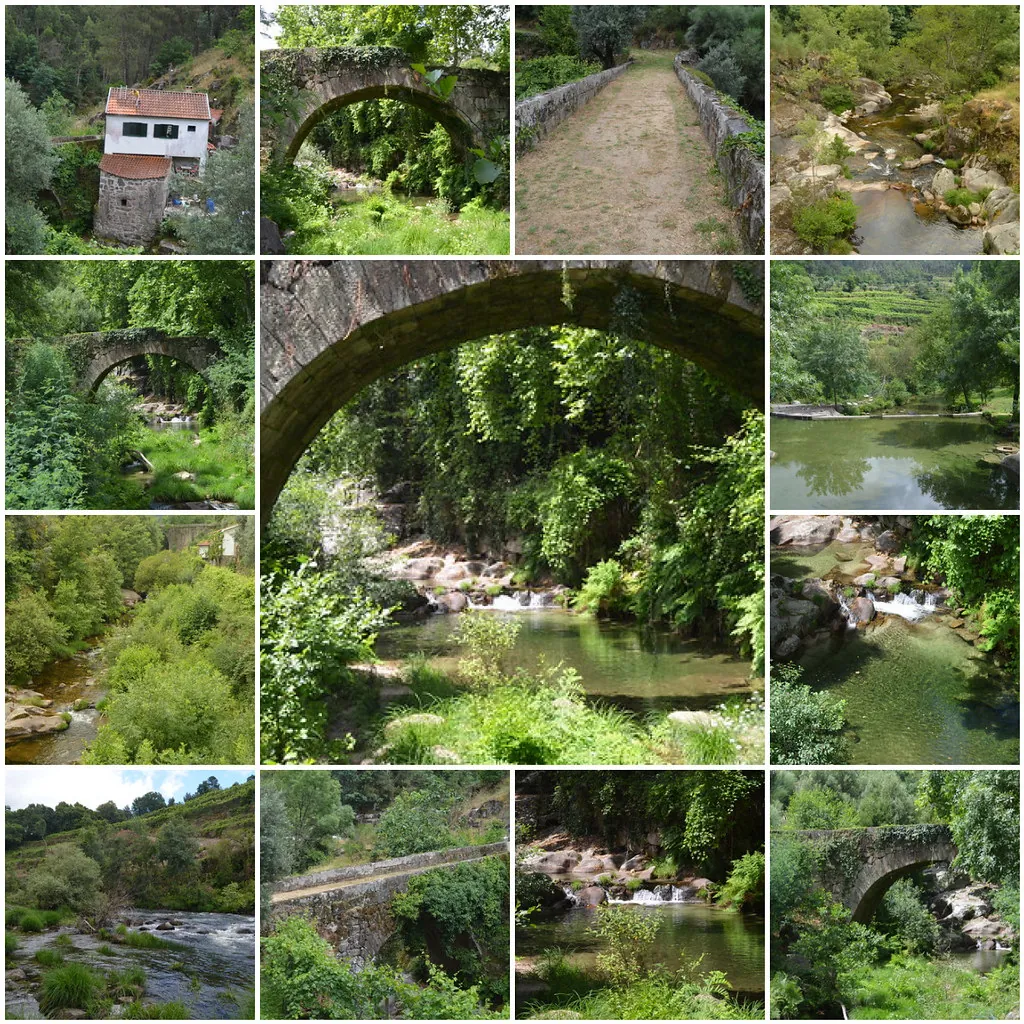
Oak smoke slides downhill at dawn, braiding with the Tâmega valley mist until you can’t tell where hearth ends and weather begins. Cavez wakes at 441 m above sea level to the clang of the parish bell, its bronze note ricocheting across schist walls and oak woods before settling back into the river’s slow bends. The Latin cavus—hollow—still fits: water and time have scooped pockets into every hillside.
Gold on wood
Inside the Igreja Matriz, 18th-century gilded carving consumes the high altar like a fire frozen mid-flame. Each candle-flare strikes fresh sparks off the leaf-thin gold, turning the nave into a camera obscura of baroque light. The church has been a National Monument since 1977, yet its timetable is still monastic: doors open before first light, bolted again by dusk. A mile outside the cluster of houses, the Romanesque chapel of São Bartolomeu—now a listed building—keeps its own silent offices, the granite ashlar cool even when midday scorches the maize fields.
Maize porridge and collective faith
On 20 January the Festa das Papas de São Sebastião turns the main street into an open-air kitchen. Copper cauldrons, blackened by generations of use, bubble with coarse maize porridge stirred with a wooden paddle the size of an oar. Bowls pass from stranger to stranger; no one keeps count. The calendar continues with romarias to São Bartolomeu, Nossa Senhora dos Remédios and São Miguel—each a slow procession up cobbled gradients, brass bands wheezing, air lacquered with grilled chouriça smoke.
Certified flesh and slightly sparkling wine
Order rojões à minhota and you receive a shallow lake of pork belly rendered in its own lard, stained paprika-red, studded with squashed potatoes and unpitted olives. The kid goat arrives burnished, having grazed on wild cistus and heather; both Barrosã and Maronesa beef carry DOP status, the cattle still herded down laneways wide enough for ox-carts. Sarrabulho—rice cooked in pork blood and offal—appears only at festival time or when the first frost whitens the vines. A chilled tumbler of Vinho Verde, prickling with residual CO₂, slices through the fat. Finish with toucinho-do-céu, a convent egg-yolk and almond sweet that collapses on the tongue, then a spoonful of dark-amber Mel das Terras Altas do Minho, another certified product whose flavour begins with heather and ends with granite.
Valleys that breathe slowly
Stone-walled tracks loop between 80-year-old vine terraces and oak coppice, narrow enough for a single donkey. With only 1,133 residents spread across 26 km², silence is a local crop: you hear river tributaries murmuring under loose slabs, wind rattling pine tops, and—at dusk—the soft scrape of copper on iron as someone stirs dinner. There are no designated nature reserves, yet the mosaic of smallholdings, granaries on stilts and September threshing floors keeps the landscape as intact as any park.
Evening settles; smoke columns rise again, dissolving into a pearl-grey sky. Inside a kitchen lit by a single bulb, an elderly woman traces the same figure-of-eight through cornmeal porridge that her great-grandmother did. The metallic heartbeat travels through granite, out into the lane, down to the river—proof that some clocks measure time not in hours but in stirring cycles.