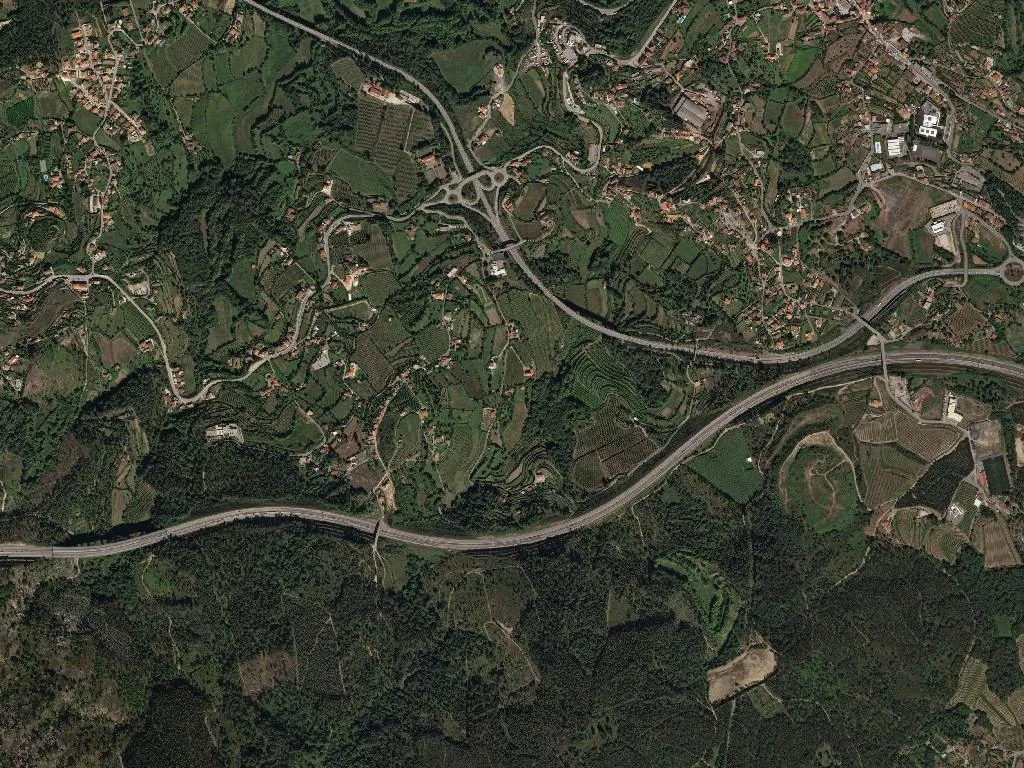
Full article about Faia: Where Woodsmoke, Granite & Goat Outlast Time
555 souls, blood-spiced porridge, fog-swallowed tractors—life in Braga’s granite parish.
Hide article Read full article
The scent of woodsmoke is not a set-dresser's trick
It is 07:00 and the same aroma drifts out of Sr Adelino's kitchen window as his wood-fired genoise finishes its last sigh. The soil, meanwhile, smells of soil—not the sanitised "arable land" of brochures, but the real thing, wet with dew and the faint ammoniac tang of cow manure. Faia does not bother with poetic mist; there are simply mornings when Zé Manel's tractor vanishes upslope like a ghost into cotton-wool fog. The parish head-count is 555, a figure the elderly rattle off like a catechism, along with who married whom and why Tia Albertina never left the house after the war.
Granite that endures—and grumbles
The mother church does not "soar"; it has simply been there since your grandparents were baptised and now leans a fraction north after the 2018 storm. Slide into the third pew from the choir and the left-hand plank will squeak in the identical spot it has greeted sinners for a century. Side-chapels to St Sebastian and Our Lady of Remedios operate as informal passport control: fail to offer three words to the man on the wall and you are stamped "outsider" on the spot. The granite is not "slow-ageing grey"; it exfoliates, blisters with quartz and, if you tap it with a coin, answers with the brittle chime of cracked glass.
Festivals that outgrow the street
Yes, the calendar kicks off with Papas de Sarrabulho—blood-and-cumin porridge—but the trick is Dona Odete's two-day-old cornbread, torn by hand so it doesn't "kill" the broth. January air slices your breath, so wear the thickest jumper and don't complain about the cushionless bench. On São Bartolomeu de Cavez's pilgrimage day even the cats walk in pairs: cousins you were certain lived in Porto materialise, former lovers feign amnesia, and the only roast kid worth the name is from Sr Aníbal's oven—ask for the leg, which he keeps under a cloth for latecomers.
At table—no garnish required
Rojão has never seen a marinade. It is the Lopes family's hind leg, salted at dawn the day before, then fried in lard until the rind is parched and the interior still drips. Eat it with your fingers, mop the fat with rye bread from Padaria do Fundão—still half-baking when you pass at seven—and remember plate-wiping is compulsory. Dona Lurdes' toucinho-do-céu is a custard square so shamelessly rich it could make the dead covetous: damp pastry, yolk oozing like molten gold, cinnamon haunting the kitchen for 72 hours. The local vinho verde is white, from Sr Arlindo's back garden, drawn from five-litre garrafões into water glasses. Wince at the acidity and he'll remind you he doesn't do halves.
Footpaths—bring water and common sense
No signposts, no QR codes, no salvation. Start at the wayside cross, drop to the Poço stream, climb past Dona Emília's washing wall, then follow the stone terrace until you reach the bend where Zé Grande's dog barked at the postman for three decades. Hit the Cavez water-mill and you've overshot; spot the Americano's vineyard and you're lost. Pack a bottle, a hunk of broa, and whatever you do, engage Sr Jacinto after 11 a.m.—he will lecture you on grapes until dusk and then insist you admire his grandson's graduation photos.
When the sun slips behind Viso the smoke lifts again, scenting the air exactly as it did at dawn, only now laced with the caldo verde Dona Idalina is stirring in her yard. The village does not "retire"; it simply shuts the door, lowers its voice and lets the dog decide if you're trustworthy. If you're still on the street at ten you'll hear the bar gate creak as Sr Joaquim fetches his last fino. By then you understand: Faia is not a place you "visit"; it is a place you stay—even if only until the 06:00 bus, boarding with warm genoise tucked under your arm.