Full article about Woodsmoke & Vinho Verde: Outeiro’s Granite Timepiece
January porridge, August homecomings, oak-smoked chouriço in Cabeceiras de Basto’s high village
Hide article Read full article
Woodsmoke at dusk
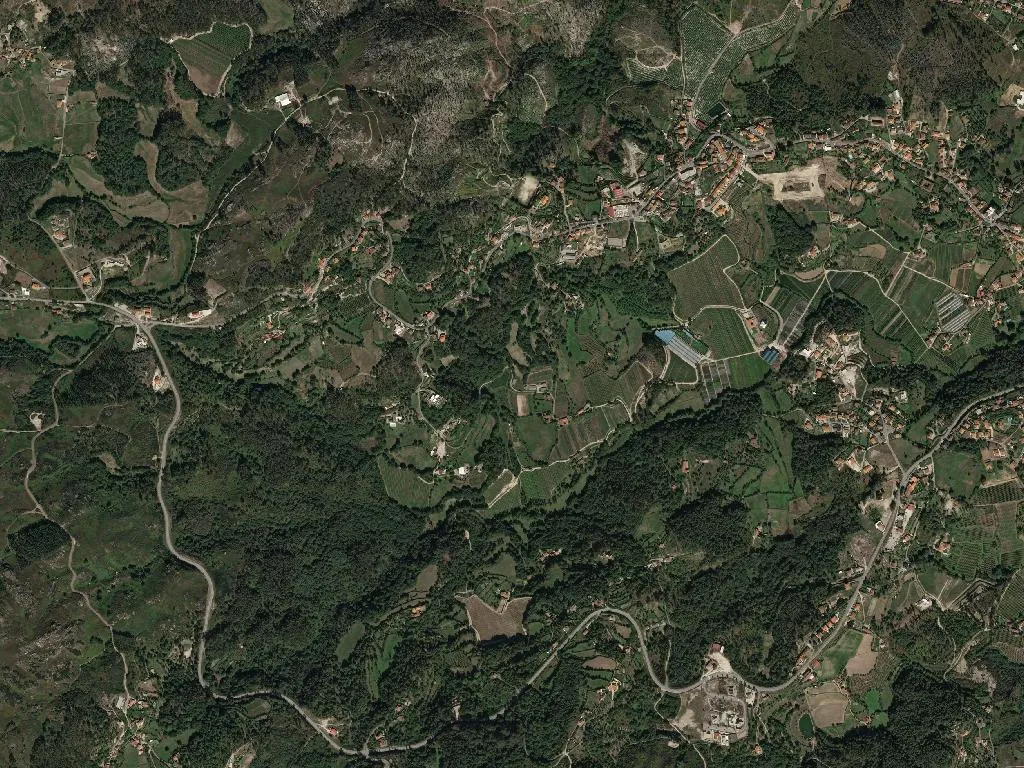
By late afternoon the chimneys release their plumes in perfect verticals. At 428 m, Outeiro in Cabeceiras de Basto absorbs Minho’s Atlantic damp; it insinuates itself through granite joints and window frames. The air carries oak logs and warm livestock breath.
The parish stretches across 757 ha—hanging vineyards stitched into meadowland. Old granite threshing floors, their grooves still visible from the wooden sleds that once separated grain, now serve as impromptu car parks.
Calendar markers
January: Festa das Papas de São Sebastião. Cast-iron pots, clay bowls, corn porridge ladled out at 4 pm in Sr António’s kitchen.
August: Festa de Nossa Senhora dos Remédios. Returnees from France and Switzerland fill Café Central. Mass at 11 am, communal lunch on the football pitch from 1 pm.
What’s on the table
Barrosã and Maronesa cattle graze the marshy meadows; both breeds carry DOP status. In houses with a smoke-cupboard, the chouriço and paio are judged ready by February—ask for Sr Albano (£15–18 a kg).
Inside granite cellars, vinho verde is drawn straight from the barrel. The village café serves it from a wall-mounted spout at €1 a glass.
How the day runs
306 children, 407 elders. The primary school clings on with 42 pupils. Three holiday homes have been inserted behind unaltered stone façades.
The first tractor climbs towards the meadows at 7 am; cattle leave the byres an hour later, file back at 5 pm. The café unlocks at 6.30 am, shutters at 8 pm. The bell strikes 7 am, noon and 7 pm—moments when footpaths intersect on the way to mass or supper.