Full article about Agilde: where the bell times the roast pork
Follow the Santa Eufémia chime to sarrabulho stew, river trails and chestnut groves
Hide article Read full article
The bell that runs the day
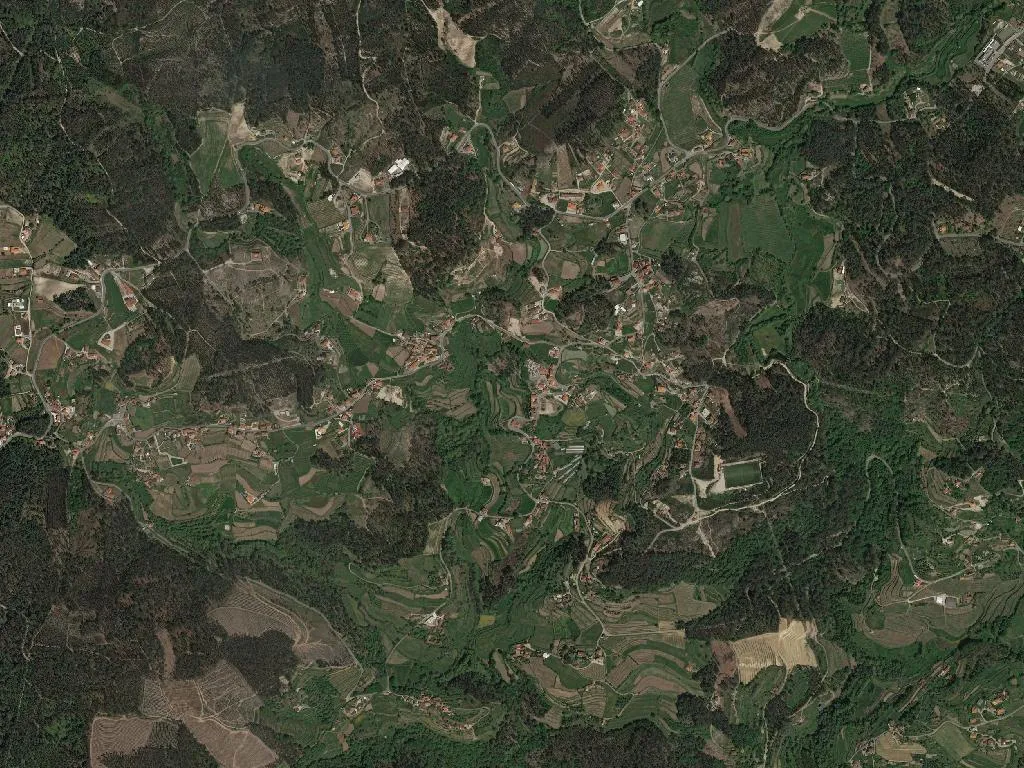
The bell of Santa Eufémia does more than toll the hour: it tells the baker to stoke the oven and warns the regulars that Júlio is about to pull the shutter. Nine square kilometres of valley fold around 1 159 inhabitants, yet a shout from the fountain still carries to the top vineyards. Folklore claims the name comes from the Latin agilis; watch the village dogs sprint for the square before the granite heats and you’ll believe it.
After the party
Every August the parish swells to three times its size for the Festa da Padroeira. Grandchildren who now file taxes in Porto are brought back “to see what a real festa looks like”. Morning Mass overflows the church; the queue for spit-roasted pork snakes past the cemetery. There is no menu—ask the eldest brother where the “plate crew” is stationed. If it’s sarrabulho season (blood-based pork stew), raise your hand fast for seconds or you’ll be left with only the aroma.
The rest of the year, gossip is traded at the Minipreço till or behind the parish council depot where the irrigation crews gather. Population density is 128 souls per square kilometre, but the figure that matters is how many phones still ring on the first try.
Unsignposted trails
From the church steps, drop down the dirt lane, turn right when crushed-blackberry scent fills the air, and walk until the Tâmega glints below. Accept that your shoes will drink the river: moss-slick stepping stones demand a sense of humour. Should you slip, the quinta owner will appear with a thimbleful of bagaço grape brandy “to sterilise the wound”.
Climb towards Viso; thighs will protest, yet a solitary wooden bench gives the entire village in miniature and—rare treat—absolute silence. Halfway up, a chestnut grove offers sweet chestnuts in October, provided the buzzards haven’t beaten you to them.
Where to eat (and drink)
Two tascas compete: one keeps its television permanently on Benfica; the other closes when the owner takes her granddaughter to school. In both, wine arrives in a rough clay jug and brand names are meaningless. If you see paper napkins on the table, sit—roast pork with crackling and punch-baked potatoes is minutes away. For takeaway, Barrosã mountain cheese is sliced at the butcher counter; ask for yesterday’s cut or you’ll leave with something already thinking about retirement.
Arriving—and escaping
From Braga, 30 minutes on the A7 to the Celorico exit, then follow signs for “Águas Frias” and turn left when eucalyptus fills the mirrors. Trains run to Guimarães; change to the Basto line and watch the driver’s windscreen collection of funeral notices and bandsaw-for-rent flyers. The bus takes twice as long but costs less than a pastel de nata.
To leave, continue towards Ribas and you’ll hit the Marão ridge in 20 minutes—on clear days they insist you can see the Atlantic. The smarter move is to swing back at dusk, when the granite turns honey-coloured and the bell reminds you Júlio is closing. Duck under the eaves, order a fino, let conversation settle. There are no monuments, only the gravitational pull of time worked into stone and wine that tastes of the exact hillside it came from. Pocket that, and the whole village travels with you—plus enough space left for the cheese.