Full article about Morning bell over Britelo, Gémeos e Ourilhe’s granite hush
Hear Britelo’s granite bell, sip Loureiro in Gémeos, beg Barrosão beef in Ourilhe—Celorico de Basto’s hidden trio.
Hide article Read full article
Britelo, Gémeos & Ourilhe: the morning bell that refuses to leave
The church bell of Britelo doesn’t ring—it rasps. A metallic cough that seems scraped straight from the granite tower, then lingers like wood-smoke in the April air. Below, night’s fog still clings to the ravines; when it lifts it carries the smell of wet heather, leaf-mould and the first fireplace being coaxed alive before six. Light never quite reaches the valley floor—it stalls on the ridge where scarecrows cast giant shadows across the first cords of Loureiro vines.
Three hamlets, one parish
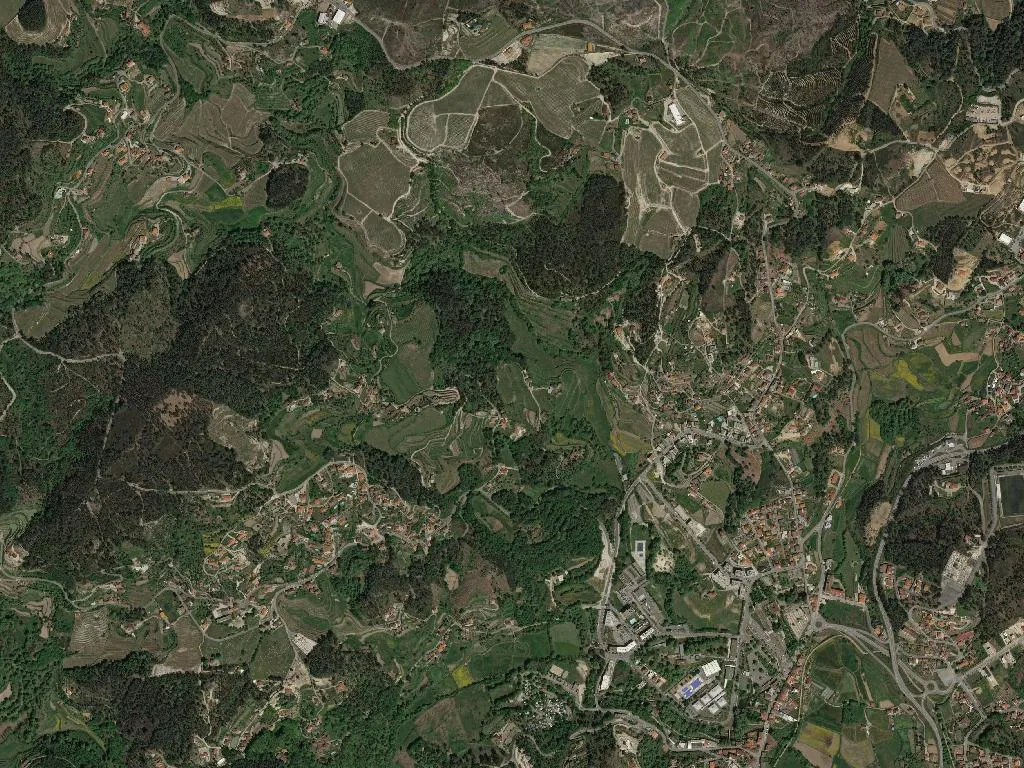
Lisbon merged them in 2013, yet locals still say “I’m off to Gémeos” or “it’s over in Ourilhe”. Britelo keeps the commerce: one café, one ATM, one tiny post office. Each settlement, though, guards its own church and walled yard—Britelo’s bandstand painted municipal blue; Gémeos’ plane tree that sheds bark like sun-burnt skin; Ourilhe’s primary school, shutters bolted since 2006. Chapels are harder: Senhora da Saúde sits where the power-line rattles like a cow-bell in the wind. No signs—ask Sr Armindo, he sells potatoes from a crate on Sunday mornings.
The pilgrimage year
May opens with flower-decked crosses dotted along footpaths. August belongs to Nossa Senhora do Viso: cars nose-to-tail on the lane as far as Viso de Jorna, walkers climbing the nettle-lined track. Scent of charred sardine, blackened onion, aguardiente swigged from hip flasks. No Latin hymns—just Zé Manel’s accordion wheezing “Fui ao Jardim da Celeste” until dawn, pilgrims skittering downhill barefoot, shoes in hand.
Green wine, Barrosã beef
The wine is white, decanted into five-litre glass garrafões and carried to O Torga in Gémeos. Red is house-only—so dark a spoonful will stain soup claret. Barrosã beef arrives from Quinta do Pego; it won’t appear on any menu—whisper to the owner and he’ll rummage in the chest-freezer. Rojões arrive on clay plates, pork fat pooling for country bread. Sarrabulho porridge is winter-only, when the pig-kill provides fresh blood. Forget convent sweets; Dona Aurora sells walnut biscuits under the counter, door ajar, money slipped beneath a tea-towel.
Vine-wrapped footpaths
The Tâmega trail starts beside Britelo’s wash-tank, follows a levada where boots sink post-December. No waymarks—just yellow daubs on electricity poles. Cross the Gémeos water-pipe where boys bomb into deep green pools, then climb through shrieking eucalypts until the lookout. From there Ourilhe zig-zags below, slate roofs shining like wet charcoal after rain. The valley’s hush is broken only by Sr Quim’s dog—plenty of bark, no bite.
Evening sun never blazes here; it settles on the chestnut grove, burrs still tight. Granite turns ash-grey, clouds drop to antenna height, kitchen lights click on one by one. Smell of oak-smoke, fried streaky bacon, laundry that never quite dried on the line. The bell stays quiet now; night-time calls are the café door-buzzer when someone orders one last fino.