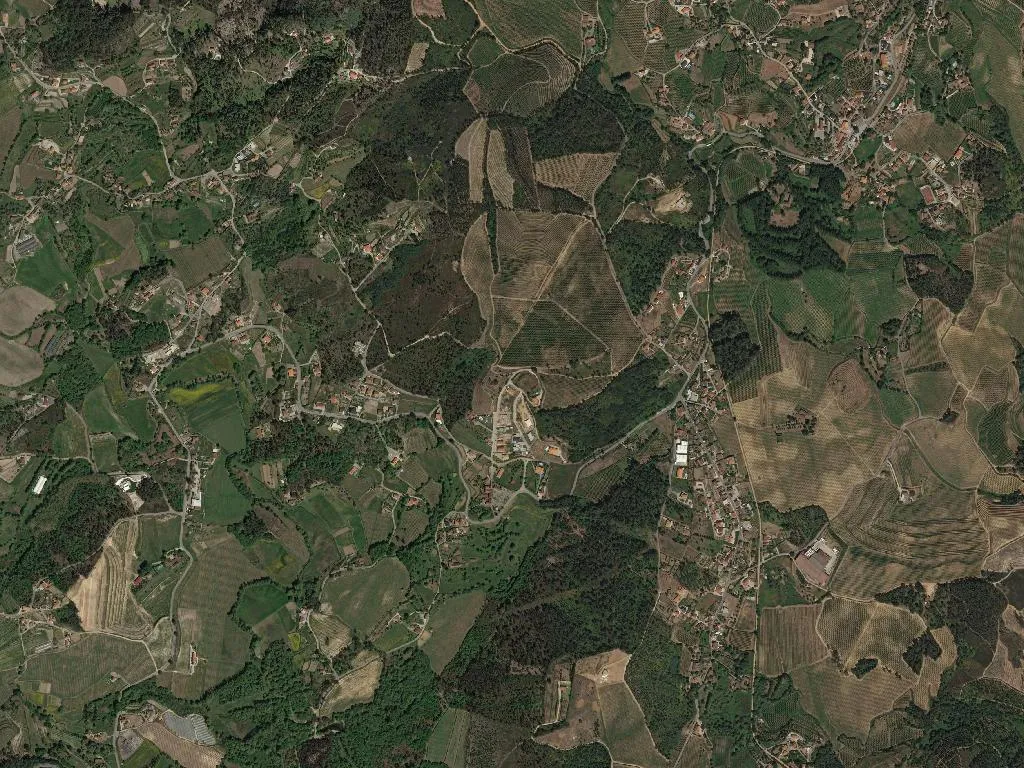
Full article about Canedo's Ecopista: Wine & Wheels in Celorico de Basto
Cycle the 23 km greenway through vinho verde vineyards between Canedo and Corgo.
Hide article Read full article
The station that became a cycle track
No steam has drifted over these rails since the 1980s, yet the old station at Canedo still smells of fresh-cut pine. Stone has been re-pointed, benches re-bolted, and the doors flung open to a 23-kilometre ribbon of asphalt that unspools down the Tâmega valley. Locals call it simply a ecopista: a place where the loudest sound is freewheel hum or the crack of a dry oak twig under tyre. Between Canedo and Corgo the green is daily, never identical.
From railway to greenway
The narrow-gauge Linha do Tâmega arrived in 1949, linking Porto with the upland quintas that shipped vinho verde and potatoes south. When the last train left, the sleepers were lifted and the embankment threatened to revert to bramble. Instead, Celorico de Basto town hall paved the bed, kept the bridges, and turned track into trail. Today the old terminus is a rest stop: chilled water fountain, laminated map, deep eaves that beg for a five-minute pause. Trains once connected villages; now lycra and Lycra-less do the same at twelve kilometres an hour.
The 2013 parish merger stitched Canedo and Corgo into a single administrative cloth, though the cornfields had always known where one ended and the other began. Just over a thousand souls occupy 1,323 ha of granite-walled terraces; time is measured in pruning phases, not calendar quarters.
Glasses of lime and plates of beef
The wine route here is no marketing stencil. Ask directions and the man with secateurs in his pocket will walk you to the pergola, flick a loureiro leaf and explain why alvarinho likes morning sun. Taste is immediate: pale lemon in a chipped tumbler, poured alongside rojões — diced pork that sizzled in smoked lard — or the dark, cumin-scented blood stew locals insist cures hangovers. The beef is Barrosã, chestnut-finished and fire-rossed inside a brick oven; potatoes are punched, not sliced, then dashed with rock salt and olive oil pressed three valleys west. Finish with Terras Altas honey, almost black, stirred into fresh curd or across warm cornmeal bread that the bakery pulls from the wood oven at 11 a.m. sharp.
Saints, promises and second cousins
July belongs to São Tiago. On the eve, women knead dough for filhós discs that blister in oil while the village band rehearses marches everyone claims to have forgotten yet sings perfectly. The following week the faithful climb 3 km uphill to the chapel of Nossa Senhora do Viso, candles cupped against the wind, promises muttered for exam results, new passports, a grandchild’s safe delivery. Emigrants book flights months ahead; statistics — 282 pensioners, 142 under twenty-five — dissolve in the churchyard when second cousins compare Canadian wages with French ones.
Mileposts of daily life
Ride south at dawn and mist lifts off the river like silk. Plane trees throw cathedral shadows; a village dog lifts its head, decides you are irrelevant. Spring brings pink bramble flowers and eucalyptus sharp enough to clear sinuses; August heat makes the tarmac tacky, forcing slower pedals that reveal lizards darting between sleepers left as decoration. Sunset happens behind the vines, everything briefly tangerine, before cyclists slot bikes back into the old luggage room and farmers climb the lanes they once raced down to meet the 17:05 to Porto. No day needs to be extraordinary to feel complete; it only has to reach the next milepost, where the green begins again.