Full article about Gemeses: Where Ocean Breath Meets Cabbage Rows
Salt air, granite cottages and pine-scented dunes fuse in this Esposende parish.
Hide article Read full article
The light arrives first through water
Gemeses wakes with the Atlantic less than two kilometres away, yet it has never styled itself as a seaside destination. Here the ocean is atmosphere, not attraction. Salt-laden air rolls in from the west and drifts across low fields where the acid-green of winter cabbages steams against pewter skies. At only 19.8 m above sea level the parish sits safely above the tides but still feels the ocean’s pulse in every weather front.
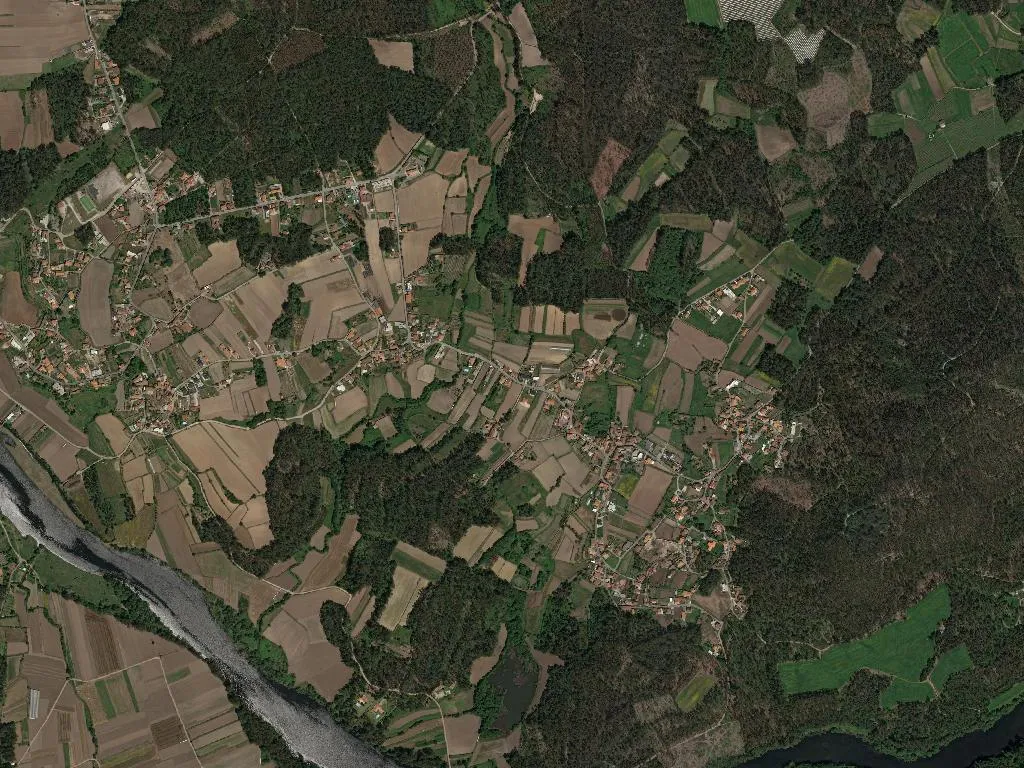
One thousand one hundred and thirteen people are scattered across 556 ha of almost flat land. There is no manicured centre, no arcade-framed square. Single-storey granite houses crouch among smallholdings; every garden keeps hens and rows of turnips, lettuces, parsley. The only obvious landmark is Zé’s café on the N13, pouring tar-black espresso and filling crusty papo-secos with ham at seven in the morning while lorry drivers refuel for the final 50 km to Porto.
A nature reserve at the gate
What distinguishes Gemeses is its seamless absorption into the North Coast Natural Park, the protected ribbon that runs from Esposende to the Lima estuary. Within minutes you can step from a cabbage patch onto primary dunes bristling with sea thrift and beach thistle, then into umbrella-pine groves whose needles deaden the roar of the surf. Trails westwards fade from field to sand; the smell of manure mingles with iodine. In summer the sand burns bare feet and dusk brings squadrons of mosquitoes.
The coastal variant of the Camino de Santiago slips through the parish almost apologetically. There is no hostel, no merchandising—just a few discreet yellow arrows painted on granite gateposts. Pilgrims stride the lanes in silence, eyes fixed on the horizon where the sea glints. If they stop at all they refill bottles at the 19th-century font beside the church and ask about food. The answer is always the same: not here.
Vinho Verde and São João
Gemeses lies within the Vinho Verde DOP, yet you will not find glossy estates. Vines survive on low pergolas and rickety trellises; the wine is drawn off for neighbours and family, served ice-cold in thick tumblers at Sunday lunch. Alvarinho is rare—Loureiro and Trajadura dominate, white grapes that relish Atlantic humidity and granite acidity. Mr Albano at Quinta do Vale still ferments in a square concrete tank, drafting his factory-shift son home for the harvest each September.
The parish turns inward for São João on the night of 23 June. There are no fireworks or DJ sets: brass band, procession, long tables on the churchyard cobbles. The statue of St John is shouldered through the lanes, elderly women in black headscarves trail behind, children dart about with plastic balloons. Grilled sardine smoke drifts through incense; once darkness falls the men play sueca under the single plane tree.
Where the land exhales
Gemeses is not a weekend bolt-hole and it will never trend on Instagram. Of its 22 registered rentals—self-catering houses and flats—most host families who want Esposende’s beach without the boardwalk noise. Tourism exists on tiptoe. Stay an hour and you see only fields and tarmac. Stay a day and you notice the low sun firing the maize stubble, the blackbird rehearsing the same four notes from a hawthorn hedge, the way Atlantic brine sharpens when the wind veers north-west. None of it photographs well; all of it clings like salt on skin.