Full article about Palmeira de Faro: granite, vines, Atlantic breath
Where River Cávado fog lifts vineyards above blackberries, salt wind grazes Ofir-bound lanes
Hide article Read full article
Between granite and salt spray
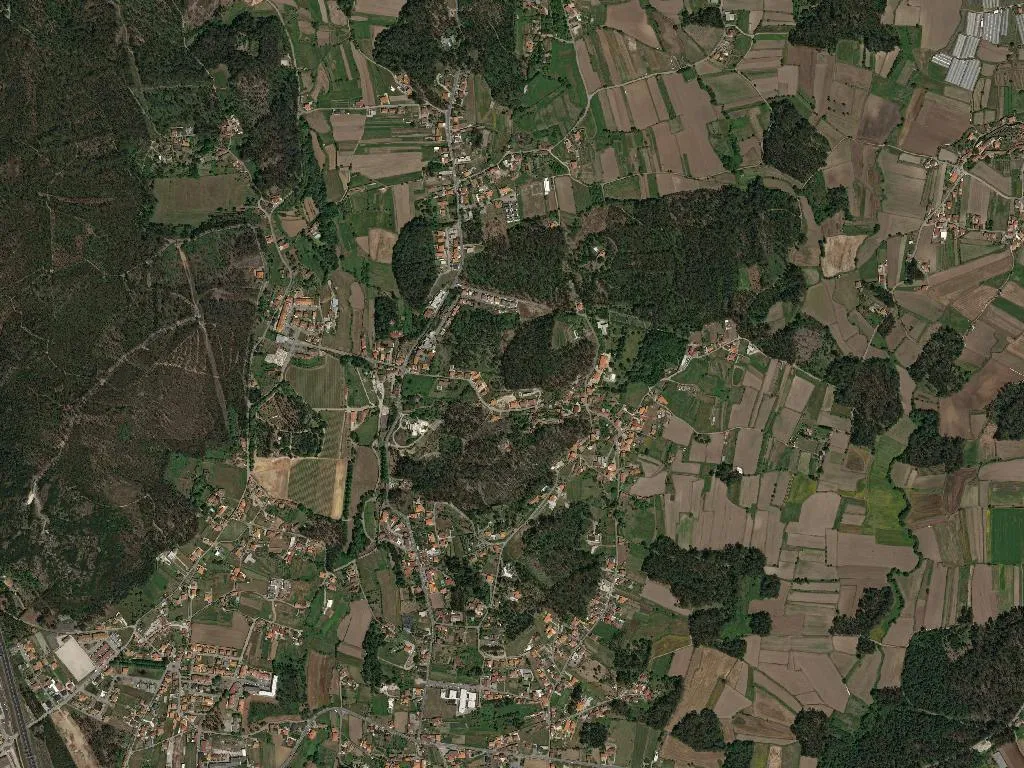
The dark granite of the old houses still holds yesterday’s scent of damp firewood. When fog drifts up from the River Cávado, the vineyards appear to levitate—ribbons of bottle-green clinging to the granite crests where the first blackberries ripen. Here, nobody quotes the parish’s modest 107-metre contour line; they simply point to the place where the land begins its roll towards Ofir beach and the wind arrives tasting first of Atlantic salt, then of roadside rosemary.
Sea on one side, vines on the other
The map labels it the North Coast Natural Park, yet the name locals trust is older: the dry-stone folds that still corral Narciso’s cow— “a proper milker,” her father used to say. When she breaks loose she climbs straight to the lightning-split pine on the ridge, hooves skittering on schist. The vines belong to Dona Emília: centennial plots of loureiro and arinto. She shells the grapes on her doorstep, a basin of brine beside her to shoo the flies. The wine she ferments is bottled while the moon is waxing, drunk teeth-numbingly cold, and finishes with a snap of nutmeg and something iodine-bright—nothing like the polite “mineral” whites served in Braga’s restaurants.
Down on Rua de Baixo, 87-year-old António fires up his slate-grey ’82 Datsun and mourns the lack of children willing to nick his Seville oranges. Wait until half-past three, though: the school bus exhales the village’s seven remaining pupils and they sprint straight to Padaria Fernanda for sugar-crusted Berliners fried in yesterday’s lard, still hot enough to scald impatient tongues.
Pilgrim footfall
The Portuguese Coastal Camino technically passes through, yet the only true year-round pilgrim is Sr. Aníbal, backpack square as a cereal box, delivering dinner to his daughter in Belinho. “Exercise,” he shrugs. The foreign walkers arrive in May, trekking poles clicking, hat brims fluttering with souvenir scallop shells. They pause at Café Lurdes for a swift imperial, ask how far to Esposende. Lurdes wipes the counter: “Forty minutes, but give it fifty—the path climbs and the sun here doesn’t negotiate.”
Festa de São João ignores every municipal calendar. Instead, the priest boards a painted skiff, São João’s statue balanced on his knees, and processes up the ria while the faithful line the jetties with tealights in jam jars. Later, yes, there’s charred sardine, but also Cláudio’s sarrabulho—pork shoulder and blood-red rice spun in a metre-wide iron cauldron. When the bonfires sink to embers, Dona Alda produces last year’s chestnuts from her apron pocket “so the strangers can taste our winter.”
Green that stays
What endures is not scenery but sensation: the coconut-sweet breath of gorse after rain; the frog chorus drifting from Campo do Fidalgo when the tide plugs the rivermouth; the freedom to walk barefoot across the dunes without encountering a single gated complex. There are no designated viewpoints—only the plane tree in Largo da Igreja where Zé Mário keeps the football-pitch key and men gather at dusk for fino beers and Benfica commentary on a crackling transistor.
Sunset drops behind the Apúlia pine forest, light thick as heather honey. Night owls begin their low exchange; the community granary door complains on its hinges; woodsmoke drifts from Sr. Joaquim’s chimney—he still heats bathwater on a cast-iron salamander. Palmeira de Faro is not a destination you tick off; it is a place where you can cross the lane to borrow a handful of kale and be handed parsley as well, because here no one haggles over scent.