Full article about Monte & Queimadela: Where Bells Echo Above the Clouds
Granite terraces, Barrosã beef and unfiltered Vinho Verde at 630 m in Fafe’s forgotten ridge.
Hide article Read full article
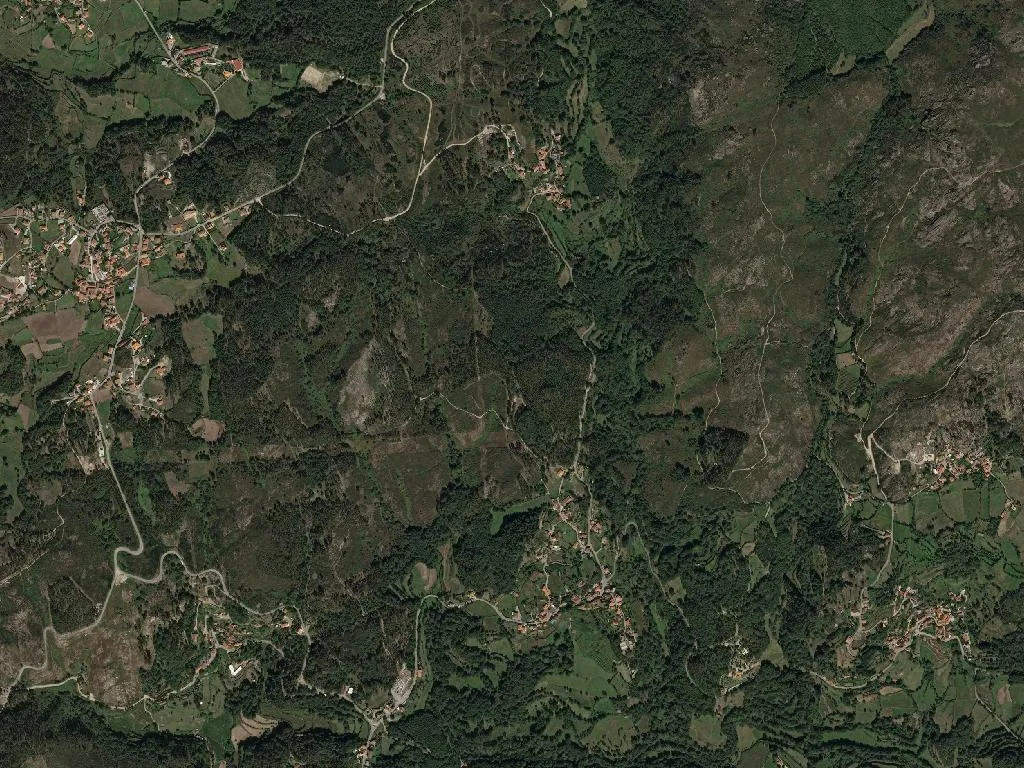
The bell arrives before the view. From the chapel it strikes the hour as though impatient to slip back into shade. At 630 m the air is a different substance – chilled, saturated, almost chewable at dawn; later, when the sun rips the cloud, it turns glass-edged and thin. Monte and Queimadela have shared a parish council since Lisbon’s 2013 administrative shake-up, yet the landscape still keeps them distinct: schist ribs push through broom-yellow slopes, and lanes climb with Protestant severity, punishing anyone who underestimated them.
Two villages, one ledger
The merger lodged the parish seat in Queimadela – the name remembers the old slash-and-burn clearances – while Monte simply advertises its own topography: look uphill. Between them sit 659 souls across 20 km² of granite and gorse, a ratio that guarantees silence. The 2021 census reads like an epitaph: 55 under-30s, 252 over-65s. Small fields of rye and potatoes are quietly surrendering to gorse and broom; the young left for Braga’s call-centres and never came back. The ones who remain keep Barrosã cattle, the burgundy-coloured, long-horned breed that carries Portugal’s DOP protection, and they can explain exactly why the meat needs nothing but salt.
Green wine on granite
Vines survive here because farmers built them their own suntraps. South-facing terraces, waist-high granite walls, absorb daylight and release it after dusk, giving the grapes a diurnal swing that would please a Burgundian. The result is a Vinho Verde that ignores the supermarket fizz: serious, stony, made from 100% Loureiro and bottled unfiltered. Locals pour it with thick slices of barrosã steak, pan-seared in pork fat and rested on bread so the juices have somewhere to go. Dessert is honey from hives parked above 600 m, the bees working heather, rockrose and sweet chestrot before the cattle muscle in.
Life on the diagonal
Pavements are theoretical. Streets tilt at gradients that would shame Sheffield, lined by two-storey houses of squared granite with eaves deep enough to keep Atlantic rain off the doorway. In winter the fog parks for days, turning each hamlet into an invisible archipelago. There are four places to stay: granite cottages whose owners registered on Airbnb but forgot the signage. No reception desk, just a barky Cão de Castro Laboreiro and a tabby cat that refuses eye contact. Guests wake to roosters and to the Minho’s white noise – water sliding over schist, streams the old still call by names that never made the map.
Silence as ballast
The annual county festa pulls day-trippers from Fafe for one weekend of brass bands and grilled sardines, then the calendar reverts to agricultural time: potato planting, haymaking, the fortnightly livestock fair in Fafe where you pay for a heifer with a handshake and a fistful of receipts. Transport is loosely aspirational: the Rede Expressos bus appears when it appears, and Google Maps gives up halfway between the mill and the oak that was struck in 1987. What keeps the place intact is precisely the inconvenience – no tour coaches, no selfie queue at the chapel, just the wind combing the crests and the smell of oak smoke rolling out of chimneys at dusk.
When the sun drops behind Serra do Viso, shadows lengthen like runners hearing the gun. Cattle file into byres, dogs trade signals across the ridge, the bell offers its final three notes and the valley swallows them whole.