Full article about Regadas: Where Water Sings Through Fafe’s Highland Meadows
Bell-tower azulejos, blood-rice kitchens and mountain air sharp as cider: life at 510 m in northern
Hide article Read full article
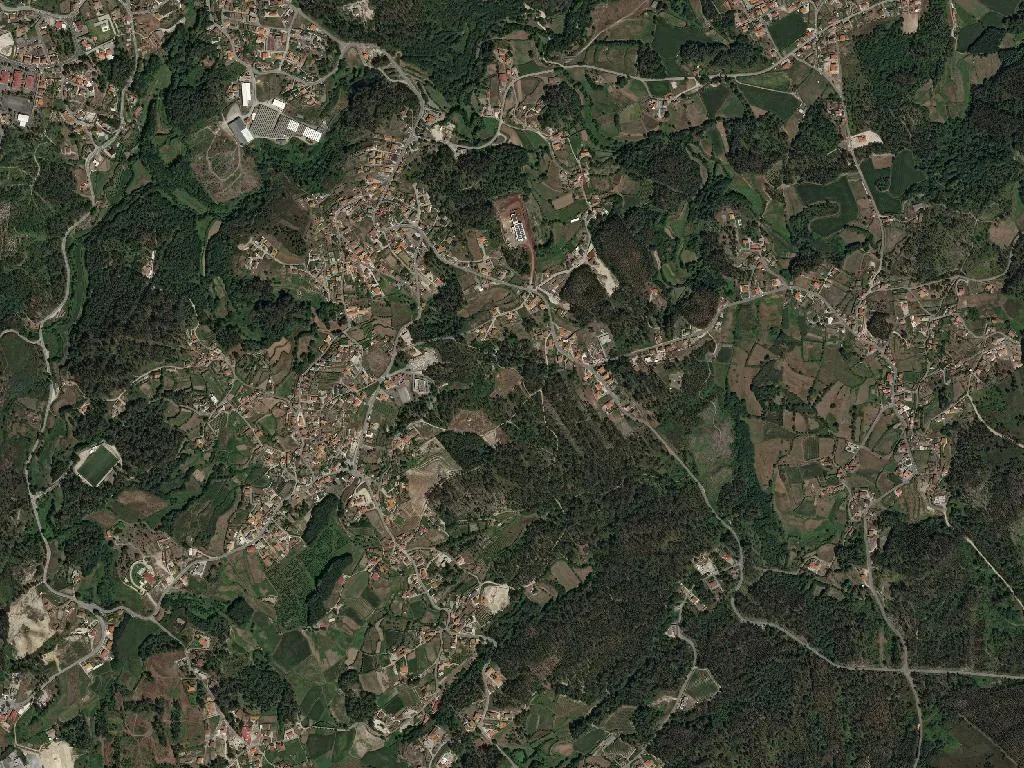
The church bell tolls once, a single note that unspools across the folds of the Serra de Fafe and is swallowed by the low, slate-coloured clouds. At 510 m the air is cider-sharp; water is everywhere in Regadas—threading the meadows, drumming on slate gutters, hanging in droplets from the gorse. The parish takes its name from the Latin regare, to irrigate, and the stream that answers to it never runs dry, even when August scorches the maize fields further south.
Stone & incense
The parish church of São Bartolomeu squats at the village’s gravitational centre, whitewashed and unshowy. No one can date the first stone, but everyone knows where to meet—"under the bell tower, eleven sharp"—before driving off to Braga for a hospital appointment or a university interview. Inside, 18th-century azulejos bloom cobalt against the gloom; outside, August’s saint’s-day fair turns the forecourt into an open-air kitchen of smoky chouriço and concertina reels loud enough to bring home the diaspora from Paris or Newark.
A mile east, the chapel of São Sebastião stands on a wind-scoured bend where the pine tops lean inland like penitents. January 20th is its solitary moment: candles quiver in draughts that slice through denim, and ageing farmers shuffle in to fulfil promises made to a plague saint their grandparents feared more than the taxman.
The dish that outruns the frost
Regadas does not do restaurants; it does lunch on kitchen tables. Arroz de sarrabulho—pig’s-blood rice soured with wine and thickened with cumin—arrives unwritten, learned at a grandmother’s elbow. Rojão à moda de Fafe follows: cubes of Barrosã beef fried in lard until the edges caramelise, served in a terracotta dish glossy with confession-level calories. On Sundays the same DOP beef is simmered for cozido while the family argues over football; the accompanying Vinho Verde is poured from recycled beer bottles that circulate like currency. Depart clutching a miniature of Minho Highland honey—"for the throat," they insist, "and for remembering."
Paths too small for ordnance survey
There are no way-marked trails, only lines worn by hooves, cartwheels and logging tractors. Follow the water downstream and you will meet António repairing a dry-stone wall, Maria shaking tablecloths into the wind, a mongrel that announces you with theatrical outrage. The ribeira keeps company all the way—never postcard-pretty, always present, its pools dark as cold tea.
Landscape here is memory rather than vista: the knoll where primary-school processions once circled, the granite seat where Joaquim waited for a bus that came twice a week, the bend his granddaughter rolled her Citroën without spilling a drop of the coffee in her travel mug.
What refuses to leave
The Rancho Folclórico still rehearses on Thursday evenings in the parish hall. Costumes bought in 1992 are let out, taken in, let out again; the skirts flare a little less, but they still turn when the gaita strikes up. In 2024 a troop of adult scouts pitched tents on the football pitch—front-page news in a parish where over-65s outnumber under-15s four to one. Whether the experiment survives is almost beside the point: the village has proved it can still surprise itself.
Dusk settles. Woodsmoke drifts downhill, braids with the metallic scent of running water. Somewhere a tap is turned off, a gate latch clicks, the bell gives one last half-hearted swing. Regadas keeps irrigating itself, faithful to its name, to the stubborn stream that slips beneath everything, carrying the place quietly forward.