Full article about Revelhe: Fafe’s granite hamlet that unveils itself
Climb mist-wrapped lanes past ox-wagons to corn-coloured Fafe views, Barrosã beef & altitude Loureir
Hide article Read full article
A village that discloses itself slowly
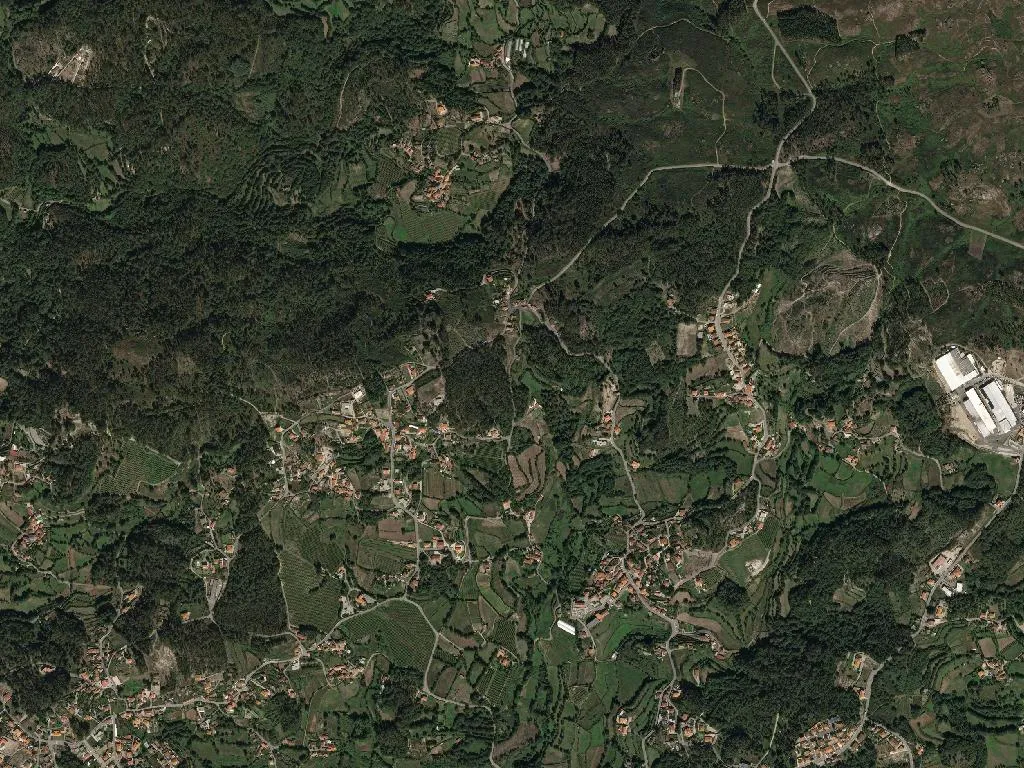
Morning dew beads on granite, catching the milky light that filters through valley mist. At 423 metres above sea level, Revelhe occupies a crease in the Minho uplands where the land exhales open — an etymological hint, locals say, from the Latin revelare, to unveil. The view withholds its full hand: you must climb the cobbled lanes, pass the stone ox-wagons still parked beside barns, before the slope finally drops away and the corn-coloured patchwork of Fafe spreads below. Fewer than eight hundred souls share these four square kilometres; silence still has tenancy here.
A parish that stayed awake after the Reconquest
Chartered soon after the Christian north pushed south of the Lima river, Revelhe was folded into the medieval termo — the chartered jurisdiction — of Fafe, one of Portugal’s oldest administrative cores. There is no castle, no Manueline balcony to Instagram. Instead, continuity shows in the alignment of house fronts, in the way footpaths still follow the crest of dry-stone walls first raised eight generations ago, and in the lowing of Barrosã cattle that graze the same altitude pastures recorded in 18th-century land registers.
High-Minho flavours
Look for DOP Carne Barrosã in late autumn: shoulder slowly simmered with bay and white wine, the fibres relaxed into silk. Honey from the Terras Altas carries heather and chestnut-blossom notes; the local associação de produtores will sell you a jar from the white-washed co-op on Rua da Igreja. There are no ticketed restaurants; feasting happens during the annual Festas do Concelho, when volunteers fire up a communal wood oven and bake corn-bread while smoked chouriço perfumes the square.
Between granite and green vines
Revelhe’s south-facing terraces are stitched into the Vinho Verde demarcation. The altitude gifts the local Loureiro with razor-sharp acidity; grapes ripen just enough before Atlantic cloud rolls in at 3 p.m. In the interstices, ancient oak and chestnut trace the waterlines, their roots drinking from the same granite seams that feed the village springs.
Evening slants across schist roofs, igniting façades the colour of burnt cream. The morning’s veil lifts; what persists is a settlement calibrated to gradient and season, where altitude is not scenery but circumstance — and where the only soundtrack is the soft clink of a shepherd’s pail against basalt.