Full article about Ribeiros, Fafe: Where Fog Drums on 13th-Century Granite
Tâmega mist, Iron-Age walls and haystacks crowned with terracotta tiles in Braga’s quietest parish
Hide article Read full article
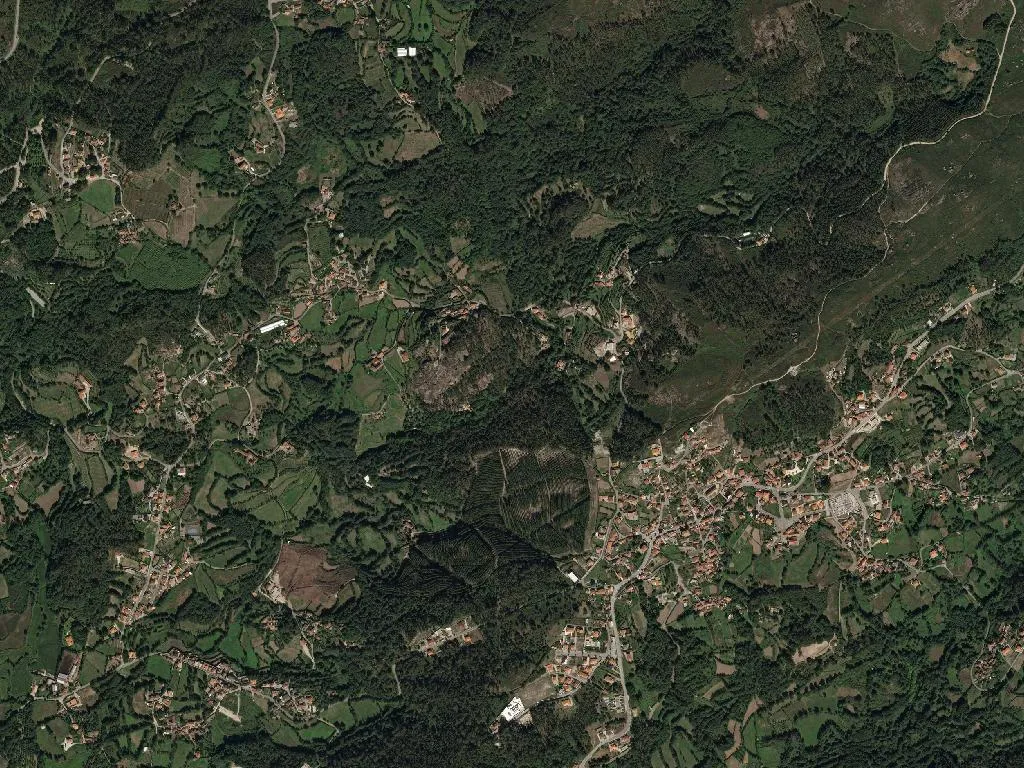
The granite deepens to charcoal where dawn fog clings. Every footstep is accompanied by water – not just the Tâmega sliding past the village, but the run-off that trickles through slate gutters, the drip from washing lines, the very name Ribeiros, bequeathed by Latin surveyors who heard the same liquid consonants in 1230. Spread across 495 ha of northern escarpment at 454 m, the parish is a shallow amphitheatre carved by the river’s inside bend.
Stone upon stone
Above the last farmhouse a cattle track cuts through gorse to the Iron-Age castro at Lages de São João. The walls are now only waist-high, folded into pasture like discarded knitting; sheep scratch their flanks against the same schist blocks that once supported timber palisades. When the sun slips west the granite ignites to honey – the only hour when anyone bothers to raise a camera.
The 1758 parish memoirs record the rhythm still followed today: one scythe-cut of rye per morning, one milking at dusk. Mechanisation arrived, then drifted away; 545 inhabitants remain, 129 of them over 65. The fields are too narrow for combine harvesters, so hay is turned by hand and haystacks crowned with terracotta tiles to keep the rain off.
What you’ll eat
There are no restaurants. Instead, Barrosã-PDO beef travels 15 km to the grill houses of Fafe, and amber Minho highland honey is sold from kitchen tables – heather-scented, thick enough to suspend the spoon. The morning’s verde wine is drawn from a plastic barrel in the cellar; if you’re staying – two rural houses list themselves half-heartedly on Google Maps – the owner’s aunt may appear with still-warm broa de milho, wrapped in a tea-towel.
Who stays
Houses cluster near the 13th-century bridge or sit alone on hilltops ten minutes’ walk from the nearest neighbour. In August the parish council closes the main road for three nights of Festas do Concelho: Sueca cards under canvas, bouncy castles powered by a juddering generator, bifanas (pork in paprika-spiced roll) and lager at €1.50 a glass. Afterwards, the Tâmega’s glide resumes its monopoly on sound.
There is no café, no shop. A volunteer opens the “people’s pharmacy” when summoned; the day-centre dishes out €4 lunches; on the football pitch Rio Ave scouts watch eight-year-olds thread passes across the uneven turf. Climb the castro at dusk and the only calendar is agricultural: maize tassels turning bronze, chestnut husks swelling, the slow pulse of a place that counts time in harvests, not weeks.