Full article about São Gens: fog-cloaked hamlet above Minho’s vines
Woodsmoke drifts over 580 m terraces where Barrosã beef cures and only 1,643 souls remain
Hide article Read full article
The scent of woodsmoke and wet granite
Woodsmoke drifts through the damp morning air. At 580 m the hamlet of São Gens wakes under a quilt of fog that clings to the slopes, dissolving field walls and vine rows into shifting panels of green and grey. A single bell tolls across the valley; a tractor answers, faint but steady, turning earth too steep for machines of lesser nerve. Silence here is not absence – it has body, the grainy heft of granite itself.
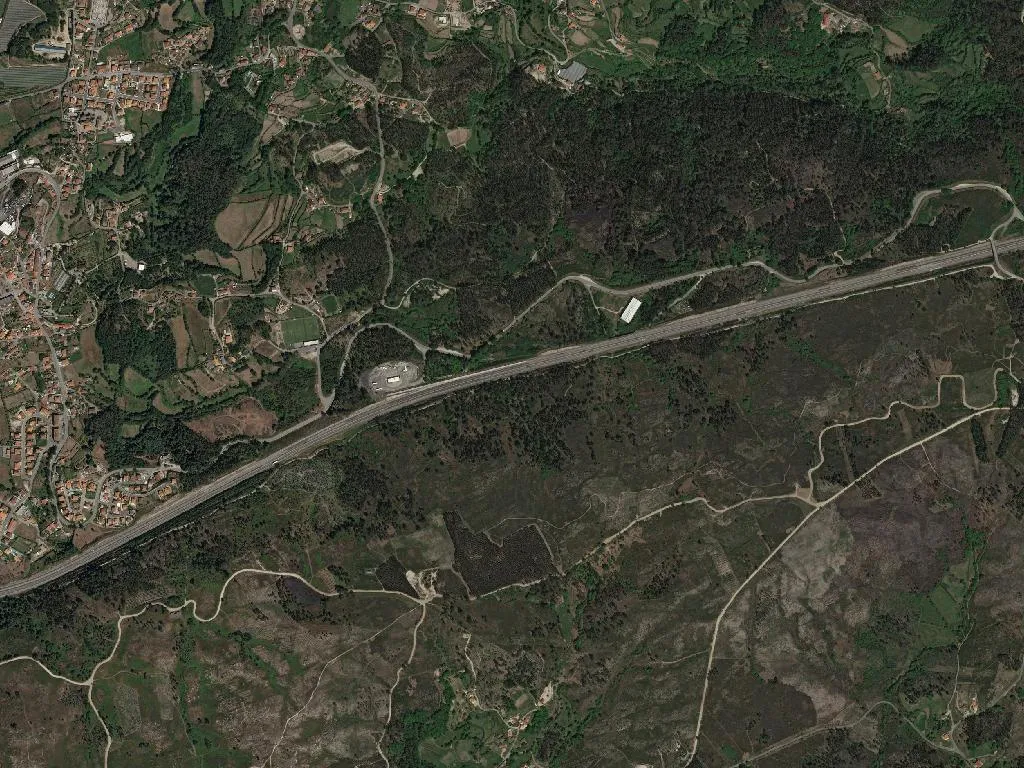
The parish unrolls across 1,474 ha of ribbed upland where the thin, acidic soils of the Minho have been stitched into narrow terraces for Vinho Verde. Only 1,643 people remain (2021 census), a density of 111 per km² that leaves generous breathing room between slate-roofed houses and moss-softened walls. Demography tilts towards winter: more than a quarter are over 65, fewer than one in ten under 15. The tempo of the day is set by arthritic hands peeling kale, by the slow arc of the sun over the Serra da Cabreira, by soils that dry only when the wind swings east.
What the table remembers
Local cooking is not rustic theatre; it is archive. Barrosã beef, registered DOP since 1996, arrives from cattle that winter on the high common lands, their flavour tightened by heather and gorse. Honey from the Terras Altas do Minho carries the delayed bloom of 600 m – cold nights concentrate fructose, the comb tastes faintly of rosemary and broom. In the three licensed guest kitchens scattered through the parish, these ingredients are handled with inter-generational deference: cast-iron pots, overnight marinades, oak embers still counted in palm-widths. Breakfast is cured shoulder smoked over holm-oak, sliced so thin the fat glows.
Living above the weather line
Anything above 500 m in the Minho is a negotiation with Atlantic weather. July dawns can dip to 12 °C; August fog may never lift from the vines. Yet the same altitude gifts a honey-coloured dusk when low sun ignites the schist terraces and long shadows fall like ruler lines across the slope. Logistics are straightforward – twelve kilometres south-east to Fafe on the N206 – but the terrain edits your speed. Single-track lanes corkscrew over granite outcrops, compelling second gear, open windows, the smell of damp pine drifting into the car.
The spectacle of ordinary days
There is no Michelin-listed monument, no boardwalk selfie point. The attraction is the persistence of an agricultural calendar that predates the kingdom of Portugal. January pruning fires send blue ribbons up the valley; September’s grape skins dye the village lanes violet. Water races along 18th-century drainage ditches; maize cobs still dry on octagonal threshing floors. Stone walls, unmortared since the 1700s, shift a centimetre each winter frost, then resettle.
Annual mass gatherings are brief but intense: the romaria of São Gens on 25 August, when ox-carts circle the chapel and the priest blesses livestock, and Our Lady of Health in mid-September, when the band strikes up outside the primary school. The remaining 363 days operate on a lower register – a place to drink cloudy white wine straight from the producer’s cask, to walk red earthen tracks without meeting another soul, to learn that the Minho dialect clips final vowels the way the wind clips the vine shoots.
Evening breeze tears the last fog into rags, revealing the full length of the valley. A single thread of smoke rises arrow-straight from a chimney; someone has lit the dinner fire. Soon the scent of grilled chouriça will drift uphill, braided with wet earth and newly stacked hay. Luxury in São Gens is measurable: the assurance that somewhere still, the essential requires no commentary.