Full article about Travassós: granite, grape must & cockerel dawn
In Travassós, Fafe, granite terraces of loureiro vines, river-cooled evenings and a cockerel-set alarm offer an unpolished Minho escape.
Hide article Read full article
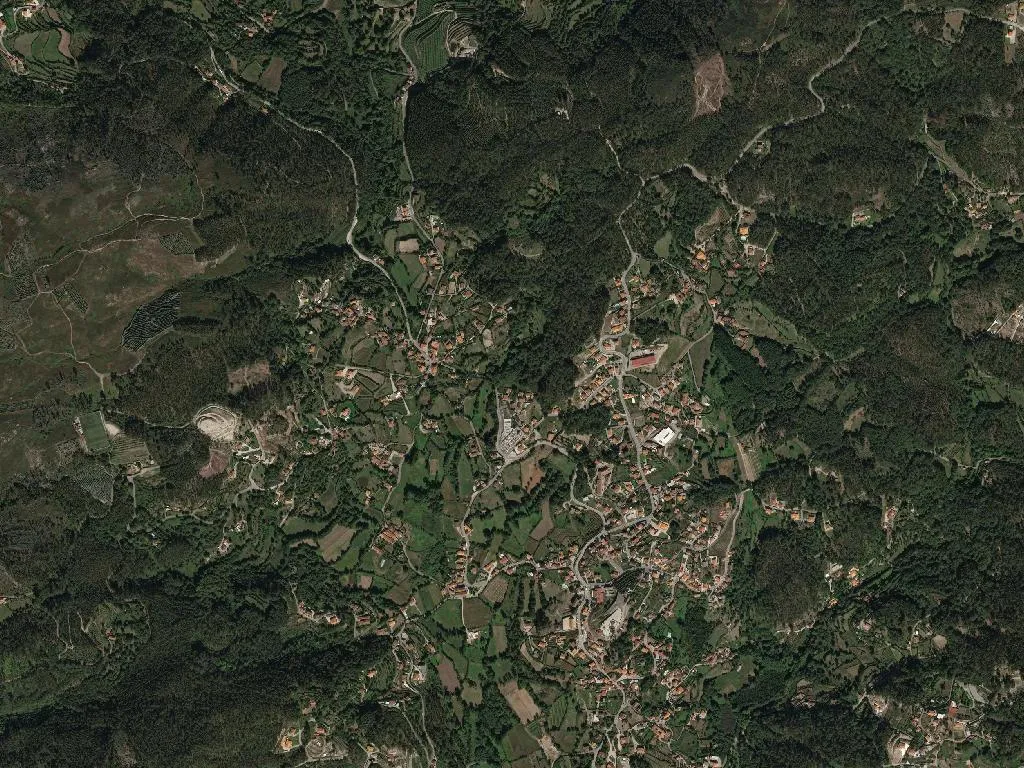
The morning air smells of newly-turned soil and a dying bonfire. In Travassós you don’t measure altitude; you simply know “up there” where the oak crowns the ridge, and “down below” where the Vizela river slips between alders before you actually see it. The day starts with two sounds: Sr Arménio’s russet cockerel, then Zé Manuel’s John Deere firing up at 06.30 precisely, a mechanical alarm clock outside every bedroom window.
What the land gives
Vines spill over fractured granite terraces rather than follow any viticulturist’s tidy geometry. Each plot is remembered by the first name of the woman who inherited it—Mãe, Avó, Tia. The grapes are loureiro and arinto for vinho verde, plus a stubborn half-row of azal tinto that Sequeira’s father refuses to grub up. Come September the must scent clings to shirtsleeves and fingernails stay indigo for a week. Barrosã beef arrives from Quinta do Gajo three farms north; the joint is already curing in rock salt. Honey comes from Toninho’s hives on the heath—no PDO certificate, but the colour turns to burnt amber only after summer rain coaxes the heather into flower.
Who stays
The census reads 1,444, yet the maths is simpler: twenty-two children at the Coca-Cola shelter bus stop, seven retirees in the changing room still playing Sueca on Tuesdays, three foreigners who bought the old stone house by the water trough and now ask where the nearest GP is. There are two officially registered lodgings—one named after its olive press, with a pool no one uses because the river is colder and closer. D Alda’s grocery sells UHT milk and slaughters chickens on the step, depending on demand.
When the sun drops
Behind the chestnut the church’s limestone glows like set honey and the cemetery seems to expand in the low light. This is the hour when grandchildren phone to check the statin has been taken, when the café at the crossroad fills with the smoke of queijo da serra and talk of milk prices. No stone bridges or monuments here—just Cláudio’s rebuilt wooden footbridge where children launch bikes and, once upon a time, grandad taught us to swim wearing grandma’s tights as a makeshift life-jacket.