Full article about Vinhós: where vines outlast the village clock
Granite lanes, water-pale vinho verde and sardines on an ironing-board altar
Hide article Read full article
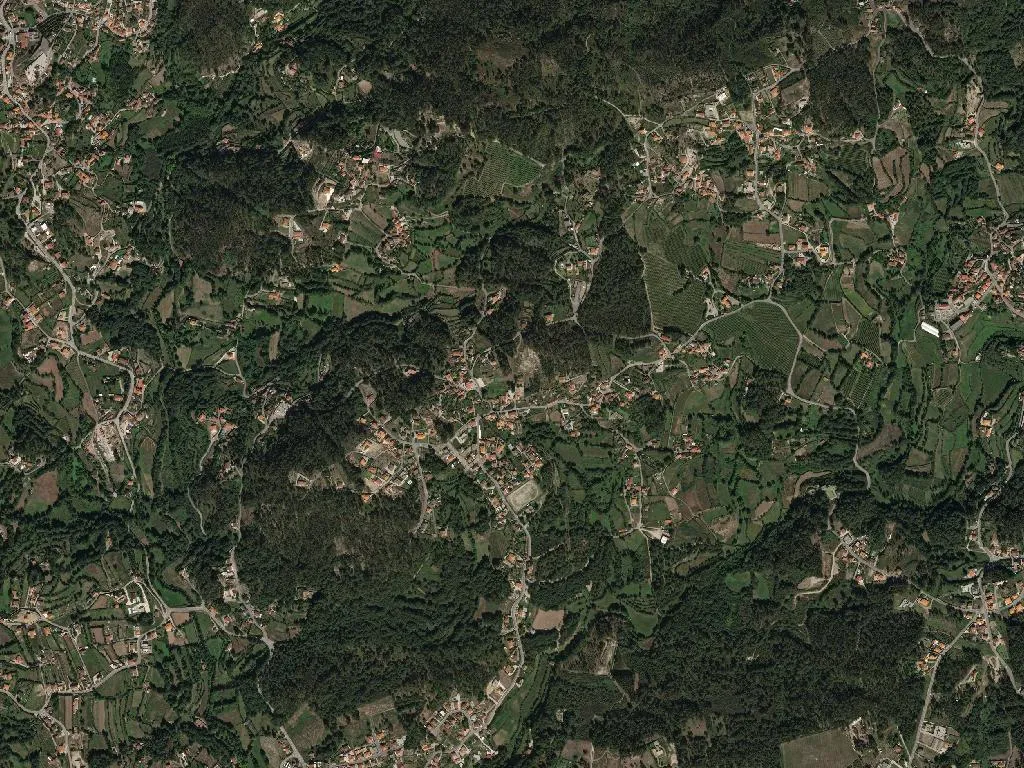
The vinho verde that Zé Manel pours at the Ferrinho isn’t the supermarket kind—no neon tint, no cling-film fizz. It’s water-pale, barely hissing, and would only sparkle if you spooned in sugar, which no one does. Below the shrine of Nossa Senhora da Graça the vines look like collapsed dry-stone walls; António still lifts each granite slab back into place, fingers too calloused to notice January’s bite. The hamlet is called Vinhós for the simple reason that it always has been. Anything else is brochure chatter.
The land that feeds
Between the rows of loureiro there is pasture for Barrosã cattle—big-horned, chestnut, prehistoric-looking. Their beef carries no PDO stamp, only the flavour of wild broom and altitude. Tonho’s honey is almost black because his bees ignore the agronomists’ maps and forage wherever the heather blooms. Bread arrives on Wednesday in a converted Transit driven by Adelaide; there is no bakery, no café, just the Ferrinho, whose opening hours coincide with Zé Manel’s eyelids and whose closing time is announced by his wife’s telephone: “A sopa está na mesa.”
The weight of the years
Fifty-seven children are registered here, yet only six still sit in the single primary classroom. The rest leave at seven in a minibus to Fafe, rucksacks taller than their shoulders. One hundred and twenty-nine seniors remain, known to everyone by baptismal name. Walk the upper lane and you track yesterday’s telenovela episode by the volume leaking through open doorways. Silence is not an absence; it is what is left when the north wind drops.
The taste of every day
There is no annual festival, only the evening mass of São Pedro in late June. Worshippers carry their own kitchen chairs; sardines roast on an old ironing-board propped over vine prunings; the wine is whatever didn’t fit in last autumn’s demijohns. No band, just conversation; no fireworks, only the neighbour’s mongrel correcting the priest when he stumbles over the Latin.
At dusk the granite façade of Dona Aurélia’s house glows like a baker’s oven. The smell of wet earth is literal: Joaquim has switched on the hose at six, precise as chapel bells. The firewood is oak, never eucalyptus—eucalyptus is for the paper mills down valley. Vinhós does not insist upon itself. It is simply what stayed behind when the world looked elsewhere, and, for the moment, it is enough.