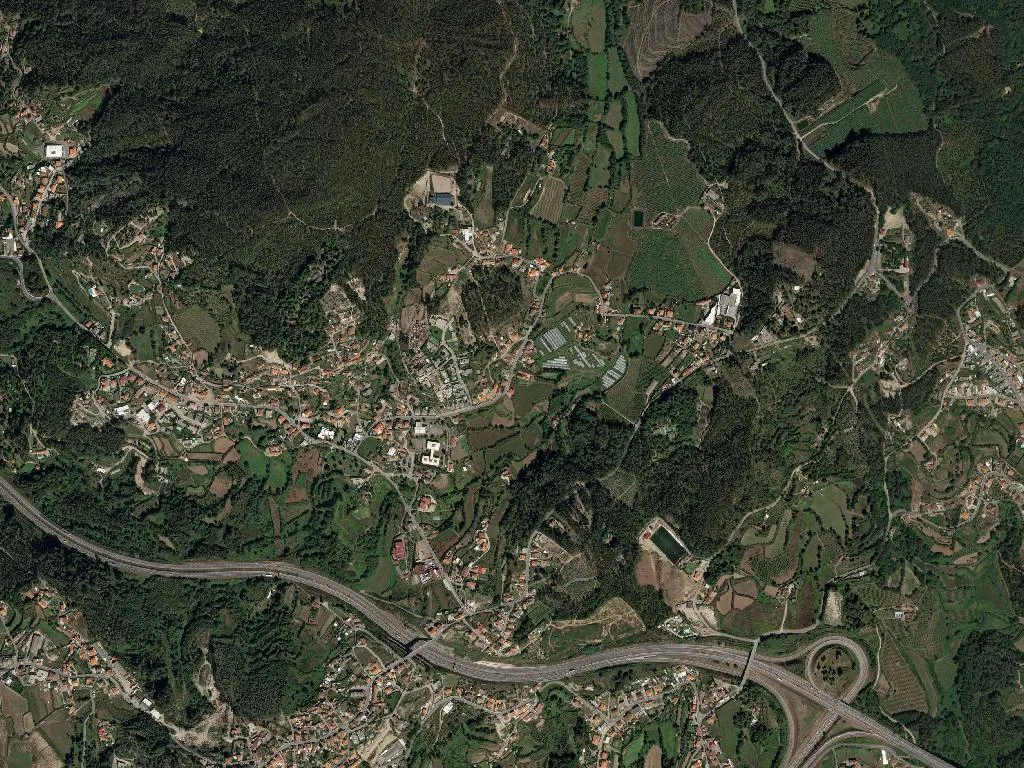
Full article about Abação & Gémeos: granite faith, hoof-beat pilgrimages
13th-century gold-shadowed church, July horseback processions and petal-strewn May lanes in Guimarãe
Hide article Read full article
Stone that remembers
The parish church of Abação squats at the hamlet’s heart, a 13th-century Romanesque core swollen over the centuries with Gothic ribs and later-Baroque icing. Inside, gilded wood-carving flashes against grey granite; as the sun swings round, light slips through the narrow slits of windows and the whole interior becomes a slow-moving kaleidoscope of gold and shadow. A charter dated 1151 – only eight decades after the Battle of São Mamede – records the place as “Avatio”, one of the first gifts Afonso Henriques handed to the Knights Templar. The name is older still: Latin “Avaticum”, a hint that imperial villas once stood here before Portugal was even an inkling.
Across the lane in Gémeos, São Torcato’s chapel is a humbler affair – whitewash and a single bell-cote – yet every July it becomes the focus of one of northern Portugal’s last horseback pilgrimages. Riders in embroidered waistcoats guide their Minho ponies up the cobbled incline, hooves sparking against stone, while banners embroidered with the saint’s image flutter overhead. After the outdoor mass comes an evening of accordions, grilled sardines and rockets that tear holes in the night sky.
Petals, processions and pyrotechnics
May brings the Festa das Cruzes to the hamlet of Serzedelo, when the lanes are carpeted with petals arranged into vast Celtic-style crosses. Competition is fierce: doors stay open late as neighbours weave ivy, roses and hydrangeas into ever-more-intricate patterns. Folk groups in vermilion skirts and black waistcoats weave through the displays, pipes and drums rattling off traditional rhythms that even the teenagers seem to know by heart. Two months later, the Assumption fair fills Abação’s small plaza with coloured lights, bingo stalls and a makeshift stage where local cover bands bash out 1980s Portuguese pop until the wine runs out.
What you’ll eat
Barrosã beef – mahogany-coloured, grass-fed and DOP-protected – dominates the table. Chanfana, its most theatrical treatment, sees goat (or occasionally lamb) marinated overnight in red wine, garlic and bay, then slow-roasted in a sealed clay pot until the meat slumps into the sauce. It arrives at the table still bubbling, scented with mountain herbs and accompanied by small waxy potatoes that have drunk up the liquor. On weekdays you’ll find rojões – pork shoulder nuggets fried with paprika and wine – served alongside cornmeal mash sharp with pickled greens. Papas de sarrabulho, a porridge of blood, offal and maize flour, is not for the faint-hearted: locals insist you chase each spoonful with a gulp of sharp vinho verde to cut the richness. Finish with suspiros – airy meringue kisses that shatter at first bite – or a slab of toucinho-do-céu, an almond-and-egg-yolk confection borrowed from convent kitchens further south.
Walking the inter-village line
There are no way-marked trails, no brown tourist signs; instead, a lattice of stone-walled lanes links the two settlements. Set out early and you’ll meet Barrosã cattle heading to pasture, their lyre-shaped horns silhouetted against the maize rows. Granite espigueiros – raised granaries on stilts – stand like small tombstones in the fields, keeping last year’s corn safe from rodents. Follow the scent of woodsmoke and you’ll emerge beside an abandoned watermill, its paddles seized with moss, the millrace now a secret bathing spot for village boys. From the ridge you can just glimpse Guimarães’ castle keep, but the view feels gratuitous; the drama here is close-up – a flash of kingfisher, the creak of a gate, the sudden hush when the wind drops and the only sound is your own breathing.