Full article about Aldão
Above the city drone, 1,278 villagers guard wood-fired Barrosã beef and cemetery-tang vinho verde
Hide article Read full article
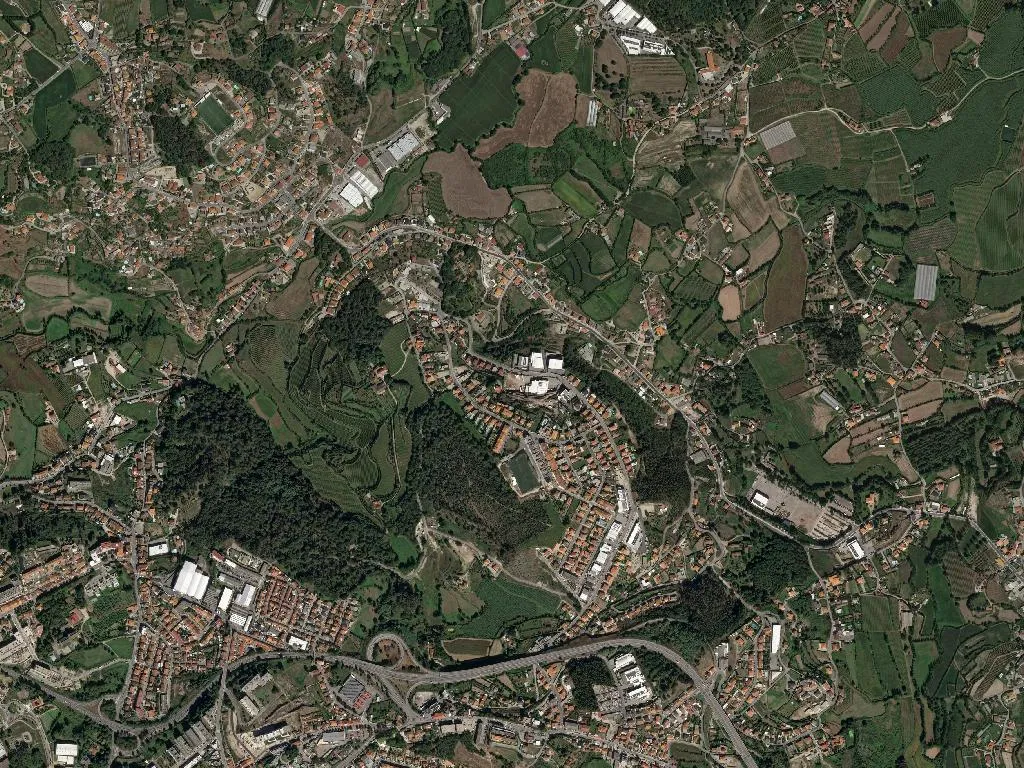
The lane from Guimarães to Aldão climbs like a regular heading for the loo in Uncle António’s café—muscle memory, no signposts required. Three minutes past the Feiteira crossroads, moss has colonised walls that once watched Napoleon sweep through (or perhaps just the dustcart; memory is a fickle witness). At 257 m the air thins, granite cottages pretend the 21st century never arrived, and the city’s drone is swapped for cow-bell counterpoint.
Locals number 1,278—each a distinct dialect of “good morning” that instantly sorts residents from visitors. Density is printed as 824 souls per km², but the lived reality is a parking space outside the café and a goalmouth chalked on tarmac where children still play without a Tesla spoiling the angle.
Between the Mass and the Bifana
May brings the Festa das Cruzes in neighbouring Serzedelo; Aldão attends en masse. Not for the cross, but for Celestino’s bifana—Porto-style pork loin marinated for the pilgrimage only. Think of it as season-ticket gastronomy: the stadium is irrelevant, what counts is the same plastic seat your father-in-law has occupied since 1983. Flags, bass drums and Aunt Albertina’s vinho verde—white, young, capable of adding a spare tyre before the fireworks begin.
Beef from the Hills, Wine from the Graveyard
Carne Barrosã arrives from Trás-os-Montes, yet the wood-fired oven belongs to Dona Lourdes. Meat in at seven, Mass at half-past, back to hoe the kale row; by the final blessing the juices are running. She serves it with “dad-I-want-more” roast potatoes and cabbage planted where the Trabant used to rust. The accompanying vinho verde grows in a terrace beside the cemetery; locals swear the soil is enriched by departed gossip, hence the extra half-degree of minerality on the tongue.
There are four places to lay your head. Three are family homes that finally boarded the attic; the fourth a flat where the communal cat has clocked more overnight stays than paying guests. All suit travellers who want Guimarães’ medieval centre ten minutes away but would rather skip €20 parking fees and the 3 a.m. choir of stag-party Brits. Night-time acoustics here: one off-key cricket, Basílio’s dog barking at every full moon.
Stone that Stays, Green that Holds
Dry-stone walls do not pose for Instagram; they simply keep the hill from sliding onto the Sunday wine. The granite is recycled heirlooms—yesterday a grandfather’s gateway, tomorrow a grandson’s sponge-cake stall in the market. Vegetable plots are precise rectangles of Galician kale that outlast both drought and distracted watering. In August the village fountain still runs icy; bring a bottle—straws are for city people.
Life ticks over on slow diesel. Children shuttle to the school in Creixomil, factory workers from Vizela drop in for a coffee “just stained with milk”, retirees play sueca under the plane tree and pretend not to notice the light shifting. No one expects you; no one offers a tour. Arrive, pull up a chair, and you’ll learn the coordinates: between granite that refuses to leave and green that refuses to fade.
When the sun slips behind Monte da Penha, Aldão does not request likes. Kitchen bulbs flick on, cats are wrapped in yesterday’s newspaper, sheets still smelling of wood-smoke are brought in. That’s the deal. Come if you wish—but wear shoes that grip on dewy grass and leave the drone at home: Mr Adriano has promised the next one will be speared to his roof with a pitchfork.