Full article about Briteiros Twin-Parish: Vines, Visigoths & Velvet Bells
Explore União Briteiros São Salvador e Santa Leocádia—Iron-Age castro, Manueline cross, €1.50 vinho verde, legends of Visigoth king Wamba.
Hide article Read full article
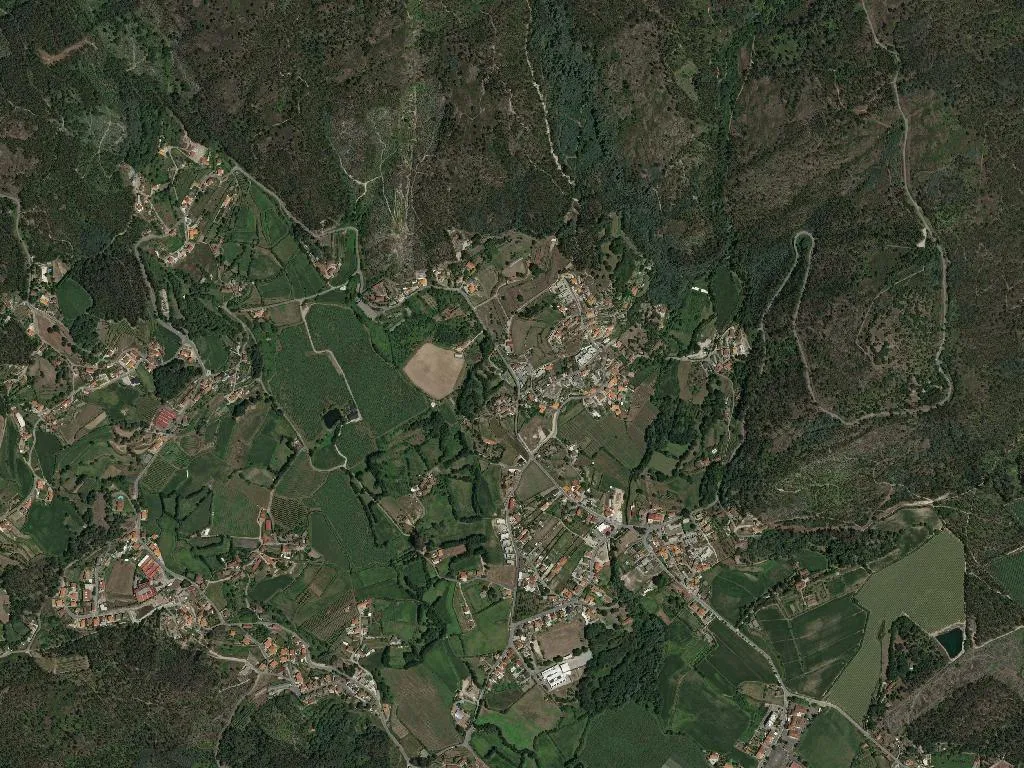
Granite walls exhale the day’s heat while the wind lifts the scent of freshly-turned soil down the terraced slopes towards the Ave. Between 150 and 300 m, low-trained vines and luminous maize quilt the hillside into parcels small enough to frame from a drone. At nine sharp, the bell in São Salvador’s tower tolls three times; the sound ricochets along the Pele and Serzedelo streams like a stone skimming water.
Two parishes, one shared story
Since 2013 the medieval hamlets of São Salvador and Santa Leocádia have formed a single parish, yet each keeps its own heartbeat. Inside São Salvador, a gilded baroque altarpiece flares against raw granite. Santa Leocádia answers with a Manueline limestone cross that has stood since before 1220. Both churches safeguard the memory of Dom Pedro Ponces de Briteiros, 13th-century lord of the Honour. Local lore insists the Visigoth king Wamba lies buried by Santa Leocádia’s door, though the stone has never given up its secret.
Two kilometres back in time
A 25-minute walk along the municipal lane—white-washed walls, schist cottages, oak saplings bending around the bends—delivers you to the Castro de Briteiros. Classified a National Monument since 1910, the Iron-Age hillfort spreads across the ridge in circular house platforms, rain-grooved boulders and a defensive wall you can still trace with your fingertips. Entry is €4; gates close at 17.30 in winter. The name “Briteiros” first appears in the 1258 Inquiries of King Afonso III.
Pilgrims, fountains and gunpowder
Below the chapel of Nossa Senhora da Luz, a triple-spouted fountain carries a 1767 inscription. On the Sunday after Easter, worshippers rinse their eyes here, believing the water sharpens failing sight. Eleven November brings a candle-lit procession for Santa Leocádia, sung by a village choir founded in 1982. In May, Serzedelo’s Festa das Cruzes detonates dawn rockets at six, followed by €2 sardines and glasses of Guimarães vinho verde for €1.50.
Smokehouse flavours
At Café Central in São Salvador, Barrosã-veal steaks stamped DOP hit the grill at €14. Holiday weekends lure locals to O Parque in Palmeira for rojões à Minhota—cumin-scented pork with paprika-rich blood-bread mash—served for €8. Santa Leocádia’s bakery turns out corn-bread loaves at €1.20, while November’s fair trades plastic bottles of homemade medronho liqueur for €5.
Trails of schist and water
The Trilho dos Moinhos sets out from São Salvador on a 5 km loop past five restored water-mills, way-marked in yellow. The shorter Trilho da Citânia (3 km) stitches the hillfort to the mother church. A 20-minute drive climbs to the Serra da Penha belvedere: Guimarães unfurls below, and on lucid winter afternoons you can taste the Atlantic on the horizon.
Dusk arrives with the perfume of burning oak; orange lichens on the roadside walls measure decades in millimetres.