Full article about Brito’s bell, wet lambs & wild-almond jam
Iron bell, Friday eggs, stone walls: Brito parish breathes rye-scented history under the A7 hum
Hide article Read full article
The single bell, wet lambs and wild almonds
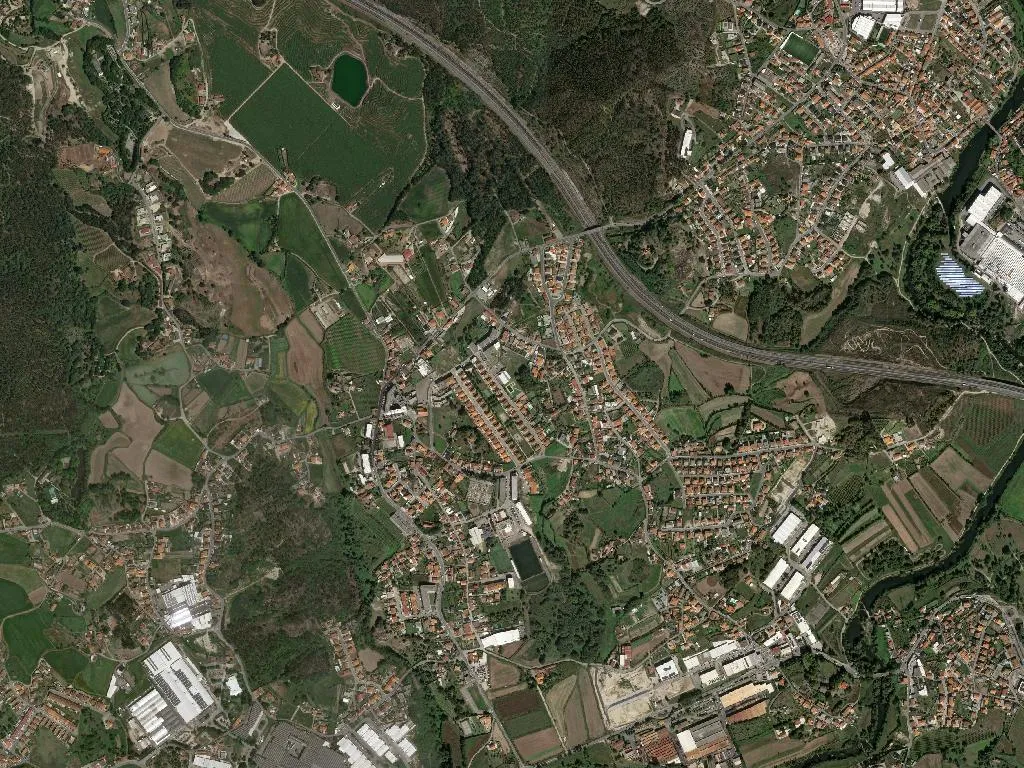
The parish church’s lone bell – cast iron that coughs on cold mornings – cracks the day open. First comes the smell of damp lambing sheds, then the dried-vinegar tang of last autumn’s vine leaves, welded to the trellis floor by three successive thaws. The A7 motorway does exist, but to anyone in Brito it is only a distant bee-hum: under the viaduct on the Bouça straight you can still pick wild almonds for jam.
Eight centuries of market day
The royal charter dates from 1255, yet the ritual feels current: leave at seven on Friday, your own hens’ eggs rattling on the passenger seat, and head for Guimarães’ weekly market. The name “Brito” offers no poetry – scholars trace it to the Latin “vicus brittus”, though regulars at Lopes’ tasca insist it simply means “to crush stone”, and stone is what shoulders the field walls. For centuries rye and rough red travelled out by oxcart; now you park in Parque das Hortas and bring the supermarket home in the boot.
Walking here demands attention: earth subsides where moles have undermined the verges. Maize plots are giving way to paddocks for the show-jumpers of returned emigrants. New granite houses wear “Smoke-Grey” tilt-and-turn PVC; older cottages still display the stone sink where grandmothers scrubbed laundry with vine-ash. Census head-count: 4,774 souls. On Monday it feels like 800; the night before Zé’s wedding, 6,000; Sunday dawn, barely 300.
Between the shopping basket and the graveyard
The liturgical calendar is non-negotiable: Sunday Mass at 10.30, baptisms by appointment only. The São Torcato procession passes the crossroads, yet no one from Brito walks it – they drive, park in the roundabout, spoon down caldo verde at the bar and leave before the fireworks. The church handles sacraments; real social life happens in the cemetery. Weekends see more traffic among the marble graves than in the porch, because that is where silver prices are dissected and grandchildren are paraded on WhatsApp.
There is no restaurant. You eat what arrives in the basket from the daughter who works at the Minipreço in Urgezes: if today’s offer is diced pork, fine; if it’s frozen lasagne, that too. The wine is last year’s, still throwing sediment, served in beer glasses because the proper ones are all chipped. Smoked sausages hang in kitchens, but the pig itself is slaughtered twenty kilometres away – in Brito there is nowhere to bleed a carcass without the neighbours dialling the GNR.
A journey measured in bus tickets
The paradox is the municipal bus: €1.65 to Guimarães, timetabled at eight minutes, stretched to thirty while the driver collects the mother of the boy on the three-o’clock shift. Come back before seven or you climb the unlit municipal road in darkness. Penha mountain is on the horizon, yet what you actually watch is the neon of Taberna da Lixa winking off at 2 a.m. and Sequeira’s dog barking at the moon.
When the sun drops behind the roof of Brito & Sons Garage, the stone turns the colour of old honey and the air smells of gorse burning in the living-room stove. The television mutters low – the neighbour has already complained. Life goes on; neither pretty nor ugly, simply what remains after the Opel Corsa instalment is paid and the tomatoes have been watered before bed.