Full article about Calvos: Granite Lanes & Dawn-White Walls Above Guimarães
Watch mist lift off emerald ridges while Barrosã beef sizzles in this name-street village ten minute
Hide article Read full article
Morning in the White Village
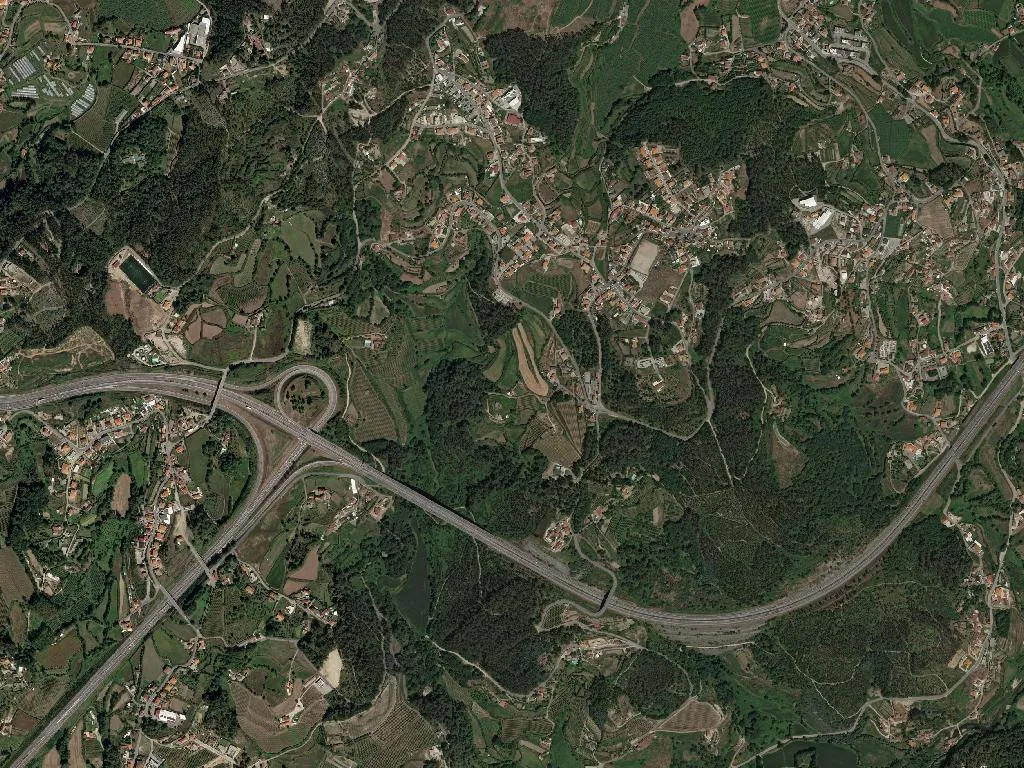
The whitewash catches the dawn light with a brilliance that makes you squint. Calvos rolls across three successive ridges at nearly 300 m, where every sunrise arrives with a scrim of mist stitched to the fields. Granite is not a backdrop here—it elbows its way into daily life, shouldering the lanes so narrow that drivers breathe in, bulging from corners rounded smooth by centuries of passing elbows and cart wheels. The green is equally uncompromising: cow-pasture emerald, baby-corn jade, a chlorophyll that flares to bullion when the wheat decides to ripen.
Beyond Guimarães, Beyond Clock-Time
Ten minutes by car to the UNESCO-listed centre, yet the tempo is different. One thousand one hundred and thirty-one souls spread across streets that never earned names—"Igreja Street" is the height of cartographic imagination. The demographic ledger is almost perfectly balanced: 160 under-25s versus 166 over-65s. They thread the EN308 bends on Hondas, pause at Crispim’s café for a frosted imperial before clocking in at building sites that are, inevitably, "just up the road".
The parish church holds no classified treasure, only limestone arches grooved by processions that have shuffled beneath them since 1752. Houses sit low under the Atlantic wind; wooden balconies double as drying racks for corn cobs and store cupboards for plastic crates come harvest. Paint flakes off walls in continent-shaped shards that might, on a squinting afternoon, be mistaken for old maritime charts.
Beef, Bread and Fire-Blackened Sardines
Sunday lunch is Carne Barrosã—PGI-certified veal from Quinta do Chico, grilled the moment the 11 o’clock mass ends, served with potatoes swapped sight-unseen over a garden fence. The wine is Vinho Verde, poured dark into thick water-glasses; first-timers pucker, locals reach for the jug again.
Two annual rites punctuate the calendar. On 3 May the parish joins the neighbouring romaria das Cruzes, walking the old stone road to Serzedelo. In July São Torcato wakes everyone at 5 a.m. with bells and the scent of sardines charring overnight in Largo do Outeiro. Earplugs are the only exemption.
Footpaths, Finger-Writing and Evening Light
Dirt tracks, baked hard as biscuit, discourage heels. Pause at the wall where José Manuel wrote, with a rain-wet finger, "We have always lived here" the week before emigrating to Toronto in ’73. The fountain on Middle Street issues water so cold it sings the teeth; midsummer finds teenagers upside-down beneath its spout.
At seven the sun slips behind Viso hill and the village turns the colour of burnt honey. Silence is a dog barking at the post-van, Antunes’ diesel Mercedes warming for the football run, Celestino’s gate shrieking on its single, well-rehearsed hinge. The air carries wet earth, split firewood, line-dried sheets. You know, without needing to look, that tomorrow the mist will reclaim the valley—and no one here will think it worth mentioning.