Full article about Conde: where the bell counts heartbeats above Vinho Verde
Granite hush, wood-oven scent and lime-skin wine in Guimarães’ pocket-sized parish
Hide article Read full article
The bell that measures silence
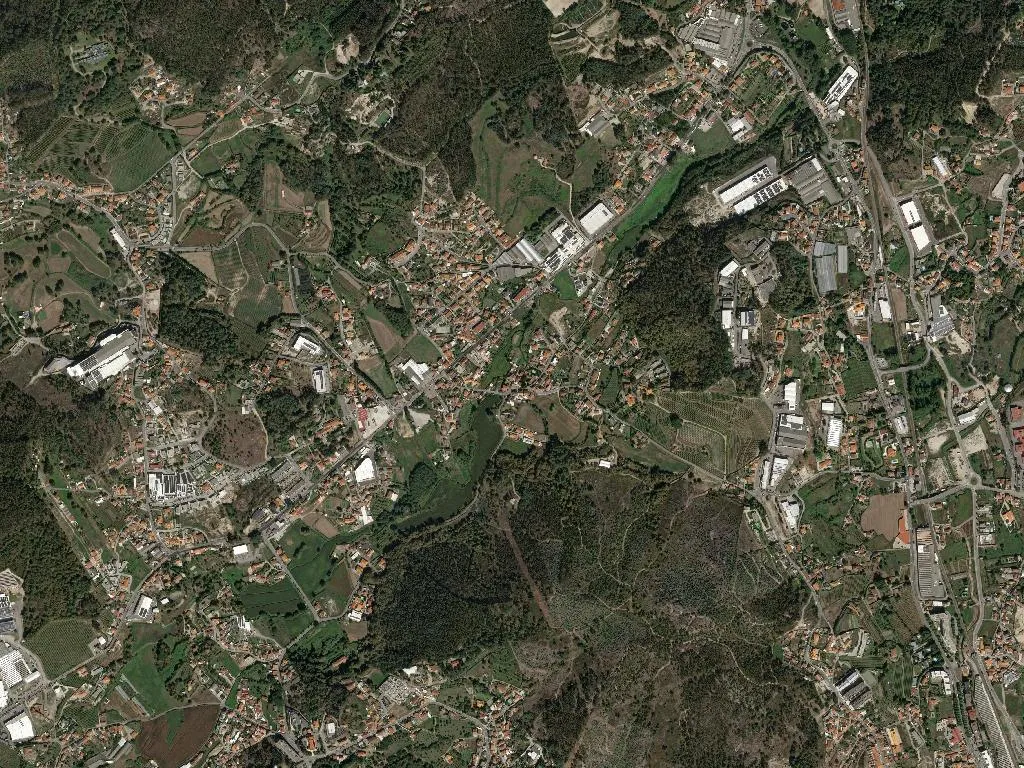
Morning light strikes the granite of the churchyard at exactly the angle that makes the stone look damp, even when it isn’t. A single bell tolls—slow, deliberate, as though counting the seconds between heartbeats rather than the hour. Conde never advertised itself to anyone. It simply sits 157 m above sea-level between vineyards the colour of bottle glass and walls the colour of rain. Motorists on the EN206 flash past; the village sign is modest, the speed limit polite. But brake for the junction, roll the window down, and you’ll smell Silvino’s wood-fired loaves escaping at seven o’clock and hear the scratch of wicker brooms on granite as women sweep the pavement before opening shutters.
A parish that still keeps count
The entire parish covers only 192 hectares—smaller than a single London park—yet 1,232 people live here, giving a density high enough for every face to be catalogued. One hundred and sixty are under eighteen; 233 have passed retirement. The arithmetic matters: it means grandmothers still supervise the September grape sort, and teenage boys carry pensioners’ shopping home from the Wednesday market in São Torcato. Conde belongs to Guimarães, whose medieval centre is UNESCO-listed, but the coach parties stay 12 km away, circling the multi-storey car parks of the city. Out here the calendar is set by pruning shears and the Atlantic dew-point, not TripAdvisor.
Green wine, high beef
Vinho Verde isn’t a colour, it’s a longitude. The Atlantic-licked slopes between the Douro and Minho grow grapes that never quite ripen into sweetness, producing a wine that fizzes gently and tastes of lime skin and bruised apple. There are no visitor centres, no Riedel glasses. Instead, someone’s cousin opens the garage, pours last year’s loureiro into a chipped tumbler and advises you to drink it with sardines still spitting from the charcoal. On feast days the same garage might produce a bottle of Barrosã DOP beef—cattle that have spent summers above 700 m in the Serra do Gerês and winters in the low meadows. The meat is the colour of bruised plum, the fat the colour of old ivory. At Casa da Cevera it is sliced two fingers thick, grilled over holm-oak until the exterior resembles a 19th-century atlas, then rested in olive oil pressed in Vale de Vizela. You chew slowly because everyone else is; conversation concerns tomorrow’s barometric pressure, not Netflix.
Crosses and summer exoduses
Religious festivals still organise time. On the first weekend of May the Festa das Cruzes drapes Serzedelo balconies with geraniums so fragrant the air tastes like Turkish delight. In mid-August the Romaria Grande de São Torcato pulls home anyone who ever escaped to Lyon or London. Processions of brass bands and embroidered banners squeeze down lanes built for ox-carts; improvised stalls sell chourição sandwiches that stain your fingers paprika-red. Old men play sueca—a Portuguese relative of whist—under plane trees, using cards softened by decades of humidity. Children win balloons shaped like wheels of Serra cheese and promptly puncture them on the church railings. For three days the bell rings without measuring silence. Then Monday arrives, the visitors leave, and the village exhales back into its ordinary volume: a tractor climbing the Estrada da Gávea, a dog called Bobi barking at his own echo, the faint clink of pruning shears from someone finishing the last row of vines before lunch.