Full article about Creixomil
Creixomil, Guimarães: stand on the 1128 battlefield turned commuter crossroads, taste fire-seared barrosã beef and zesty vinho verde
Hide article Read full article
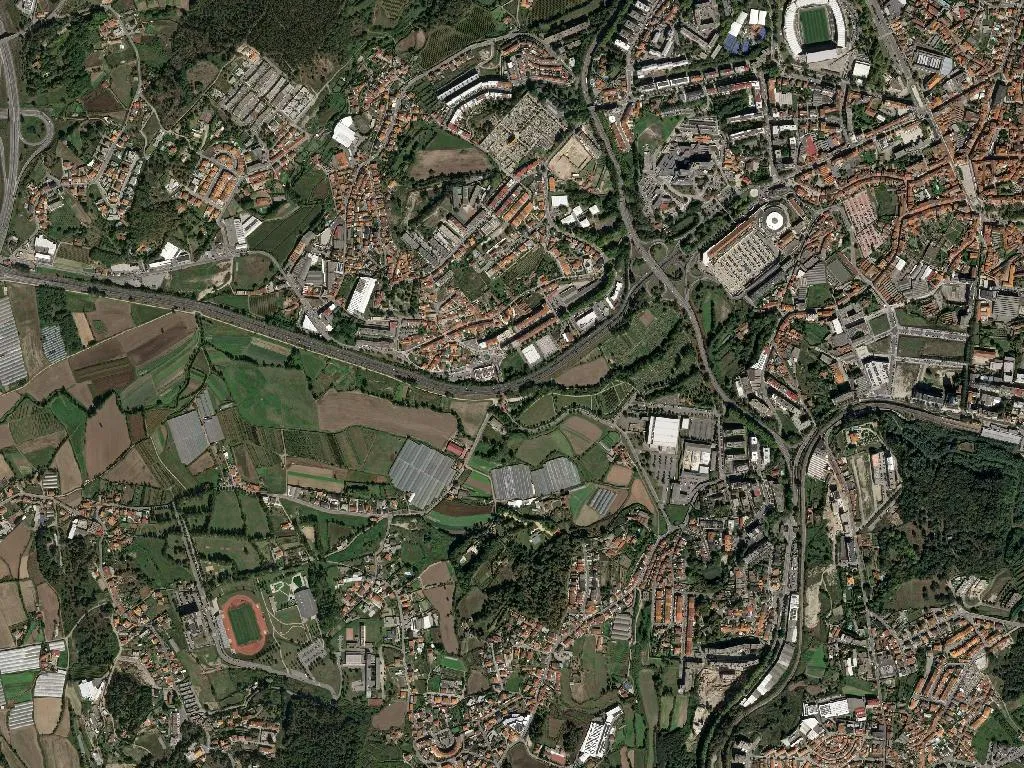
The morning settles over Creixomil’s flood-plain like a slow-developing photograph. Low fog sheathes the grass and dissolves apartment blocks into silhouettes. When the sun finally burns through, the air carries the scent of wet earth and wood-smoke that Portuguese mornings cling to. We are only 153 m above sea level, yet the place feels higher: three square kilometres packed with 9,700 people, squeezed between Guimarães’ UNESCO-listed centre and the commuter ring road.
The field where Portugal drew a line
Walk the flat triangle between Creixomil, São Mamede and Ataca and you are treading the paddock where, in June 1128, a 19-year-old Afonso Henriques refused to keep playing dutiful son to his mother, the Countess Teresa. The cavalry charge that followed—Portugal’s proto-battle of São Mamede—lasted less than an hour but pinned the territory’s future to Afonso’s banner instead of León’s. Today the same topography makes perfect ground for roundabouts and a BP station; still, the pasture ghosts linger in the hedgerows and in place-names shouted across barbecue smoke.
Three thousand souls per square kilometre
Medieval inheritance meets 21st-century sprawl here. Almost a quarter of residents are over 65; children are outnumbered by supermarket trolleys. Allotments that once fed families now host drive-thrus, yet the classified monument to the battle is so understated you can idle beside it at the traffic lights without noticing. Advantage: five minutes to Guimarães’ castle without paying castle-adjacent rent.
Fire, meat and green wine
Locals don’t reach for tasting menus. They reach for barrosã beef—thick, fire-seared, fat crackling like tiny fireworks—paired with a glass of razor-sharp vinho verde loureiro. The cattle graze up in the Barroso; the grapes hang just down the Ave valley. Acidity slices smoke; geography does the seasoning.
The parish calendar still rules
Two dates still close the streets: the Festa das Cruzes in neighbouring Serzedelo (a cross-decorating pilgrimage that ends in grilled sardines) and the Romaria de São Torcato, when firework mortars rattle double-glazing and plastic cups of lager replace WhatsApp as the local social network. Cousins roll in from Vizela and Lordelo; no-one checks their phones for directions.
Living on the edge of the cradle
Eighteen holiday lets—apartments and box-fresh townhouses—target visitors who want Guimarães’ medieval centre at half the price. Driving time: five minutes; bus: fifteen, driver’s mood permitting. Crime statistics flag Creixomil for perceived insecurity, mostly linked to one 1970s social-housing scheme; the reality is mundane petty theft rather than anything darker. Know the context, pick your bread-buying hour, and you’ll be fine.
Dusk thickens the traffic; sodium light pools on tiled roofs. For a second the hum of engines sounds like distant hooves. Close your eyes on the veiga, feel the chill rise through your ankles, and you sense the ground is more than tarmac: it is the patch of earth where a teenager said “enough” and began drafting a country. Nine centuries on, the soil still remembers.