Full article about Seven Bells of Leitões, Oleiros & Figueiredo
Bronze peals, granite crosses and Barrosã oxen shape life in Guimarães’ hilltop trio
Hide article Read full article
Seven Bells, Three Villages
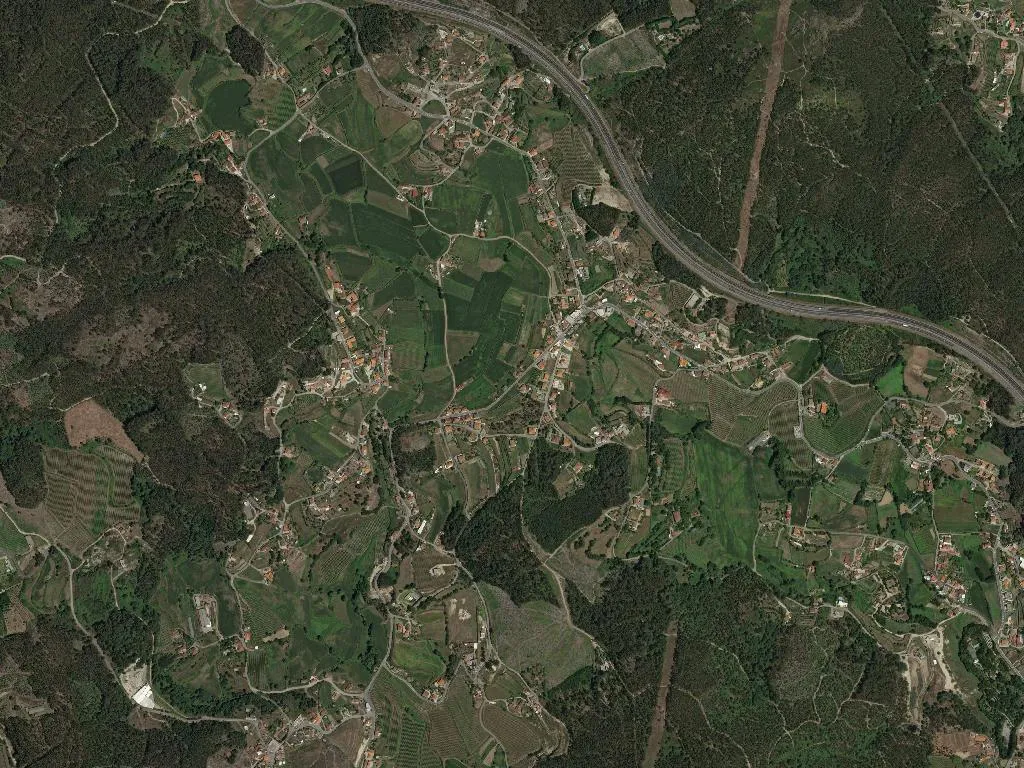
The tower of Leitões carries exactly seven bells; at seven o’clock they all swing at once, scattering their bronze voices across the valley. Oleiros answers with three, Figueiredo with a single cracked tenor, yet the sequence is so familiar that farmers still set their pace by it instead of by phones or watches. At 259 m above the Ave, time is solar, lunar, parish-bound.
An Arrangement from 2013, a Continuity from Forever
Whitehall’s map-makers bundled Leitões, Oleiros and Figueiredo into one civil parish on 28 January 2013, erasing century-old boundaries drawn around each church’s catchment. The churches refused to notice. Leitões keeps its eighteenth-century façade to São João Baptista, granite as severe as a Puritan sermon. Inside São Pedro at Oleiros, gilded angels commissioned by Dom João V in 1723 still climb an iridescent baroque retable. Figueiredo’s Romanesque nave, rebuilt after the 1897 blaze, smells of damp stone and melted candlewax.
In Leitões’ churchyard a 1742 stone cross carries the plea: “For the soul of António Gomes and his wife”. Beside Oleiros’ threshing-floor, the four-pillared maize graniteiro stood loaded until 1987; squirrels now nest where corn once sweated. At Quinta do Outeiro in Figueiredo, the coat of arms—two hounds supporting an armillary sphere—was expropriated in 1975; the mansion is privately restored, but the labourers’ names remain chiselled on the cellar wall.
Meat, Maize and Monastic Sponge
The long-horned Barrosã cattle you meet on the lane belong to the Abreu family, breeders here since 1923; their DOP-status oxen graze the same riverside meadows their grandfathers rented by handshake. Order rojões in the hamlet tavern and you receive nuggets of entrelaced belly, sizzled in their own lard, served with skinned new potatoes and a glass of Quinta do Tamariz loureiro. The blood-based sarrabulho—sweet paprika from Refojos, clove, two hours’ patient stirring—follows a card written by Albertina Abreu for her newlywed grandchildren in 1964.
Oleiros’ communal wood-oven fires every other Saturday; the recipe for the local pão-de-ló travelled from Tibães Benedictine convent with Sister Aurora’s dowry in 1942: twelve yolks to the kilo of flour, no chemical sleight-of-hand. Drink the 11% vinho verde sub-region Basto and you’ll feel the fizz snap against your tongue like sherbet.
Feasts that Ignore the Calendar
On the eve of 24 June Leitões’ procession leaves at nine, torches of pine kindled on the Calvário street corner where they dried since last year. Oleiros boys spend 29 June hurling painted wooden skittles in the churchyard, a tournament recorded in the parish ledger of 1903. Figueiredo’s brass band strikes up the constitutional anthem before Mass on 16 August, reprising its performance of 15 October 1932. Early September sees 47 villagers board the 07:15 coach to São Torcato; each carries bay cut from their garden to weave through the saint’s palanquin.
Footpaths the Guides Miss
The Three-Churches walk measures 7.3 km on a farmer’s odometer: start beneath Leitões’ granite cross, climb the ox-cart track scarred by wild-boar trotters, drop to the single-arch bridge of 1789 over the Outeiro stream. Red daubs on electricity poles replace official waymarks. Four hundred metres beyond São Sebastião chapel a spring drips into two broken stone troughs; women scrubbed blankets here until 1985, and grey soap still clings like lichen to the rim.