Full article about Lordelo: Granite Cobbles & Vineyard Clocks
Five minutes from Guimarães, life ticks to church bells, espresso at 60¢ and neighbourly forecasts.
Hide article Read full article
The cobbles are more treacherous than they look. A spring-half-morning sun polishes the granite, disguising the slabs that have shifted over decades, yet a local footfall instinctively knows where to tread. At eleven o’clock the church bell strikes with the same unhurried cadence it has kept since the bell was new. Lordelo is five minutes by car from Guimarães’ UNESCO-listed centre, but here distance is measured in vineyard cycles, in the metallic scent of earth after rain, in neighbours who still block the lane to discuss the forecast—always the forecast.
Between city and field
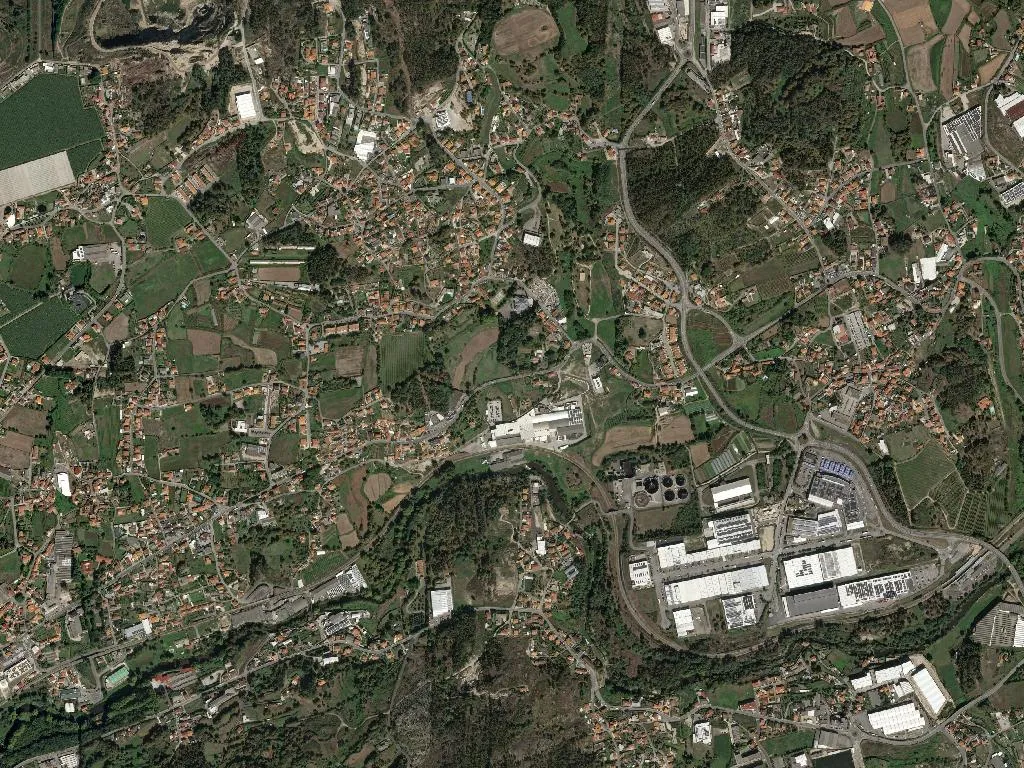
Four thousand souls occupy barely five square kilometres, yet nothing feels cramped. Back gardens are large enough for henhouses, for dogs that saunter collarless and answer to every front-door name. The N101 will shuttle you to Guimarães in the time it takes to play three tracks on Rádio Renascença, but those who stay know the real landmarks lie behind: the playground where boys still boot a scuffed ball against the wall, the café that pulls espresso for 60 cents, the grocery that stocks everything except urgency.
Census sheets spell out what the eye registers: few children, many pensioners. Still, life asserts itself. On Sunday afternoons the stone benches along Rua da Igreja fill with parishioners who have come out “to take the air”—code for a brisk audit of everyone else’s business. The handful of children pedal bicycles along the parish road, free of traffic and helicopter parenting. They grow up aware the world is wider, but also that this particular rectangle of schist and vine is wide enough for most of what matters.
The parish calendar
No diary required. When May arrives, tissue-paper garlands appear overnight and striped stalls mushroom on the green. The Romaria de São Torcato—part village fête, part pilgrimage—turns Lordelo into a pocket-sized São João minus the Porto crowds. Some arrivals have driven from Lisbon not for the funfair, but because their mother once pledged a candle and promises, here, are non-negotiable. The procession inches along; the priest pauses to bless gutters and gateways; wax drips on the fingers of fidgeting children. In the churchyard the smell of grilled sardines collides with frankincense—a pairing that makes culinary sense only within these walls.
At table
You don’t come to Lordelo to eat well; you come to eat as if a cousin has waved you in from the yard. IGP-certified Carne Barrosã appears on birthdays, baptisms, sudden visits from abroad. It is carved in deep terracotta dishes, the juices soaking into oven-baked rice until each grain glows. The vinho verde is not poured to impress: it lands in small tumblers that are refilled without ceremony. Some regulars arrive with plastic flagons straight from the adegueiro’s cellar—hardly elegant, entirely honest.
A launchpad, not a destination
Lordelo will never bill itself as the next boutique retreat. There is a modest guest-house, a handful of licensed rooms above village houses, little reason to linger unless lingering itself is the aim. Yet for travellers who want Guimarães’ medieval core without the coach-party soundtrack, it is perfect base-camp. Mornings begin with a neighbour’s rooster; shortly after seven the bread van door-slams outside the café, delivering pão de mistura still warm. Penha Mountain, thick with oak and eucalyptus, rises like an oversized back garden to the east—hiking trails start where the tarmac ends.
When evening exhales, returning visitors step out of taxis smelling of castle stone and museum dust. Lordelo answers with a silence only countryside owns, punctuated by Bobi the corner dog and the diesel clatter of Zé’s old Mercedes warming up for the nightly trip to the bar. At sunset the granite façades take on a colour for which English has no name. It is then you realise: Lordelo is not photogenic in the Instagram sense. It is beautiful in the way that reminds you places still exist where time has not been wholly monetised. You can stand in the middle of the lane without risk of being run over—by car or by schedule—while vinho verde ferments in cool, subterranean granite and wood-smoke rises straight and true, exactly as it has for centuries.