Full article about Prazins: gunpowder, fog and vine-sour dawn
Guimarães’ granite fold village where bread soaks in beef juices and rockets echo for days
Hide article Read full article
Whitewash and vine-sour mornings
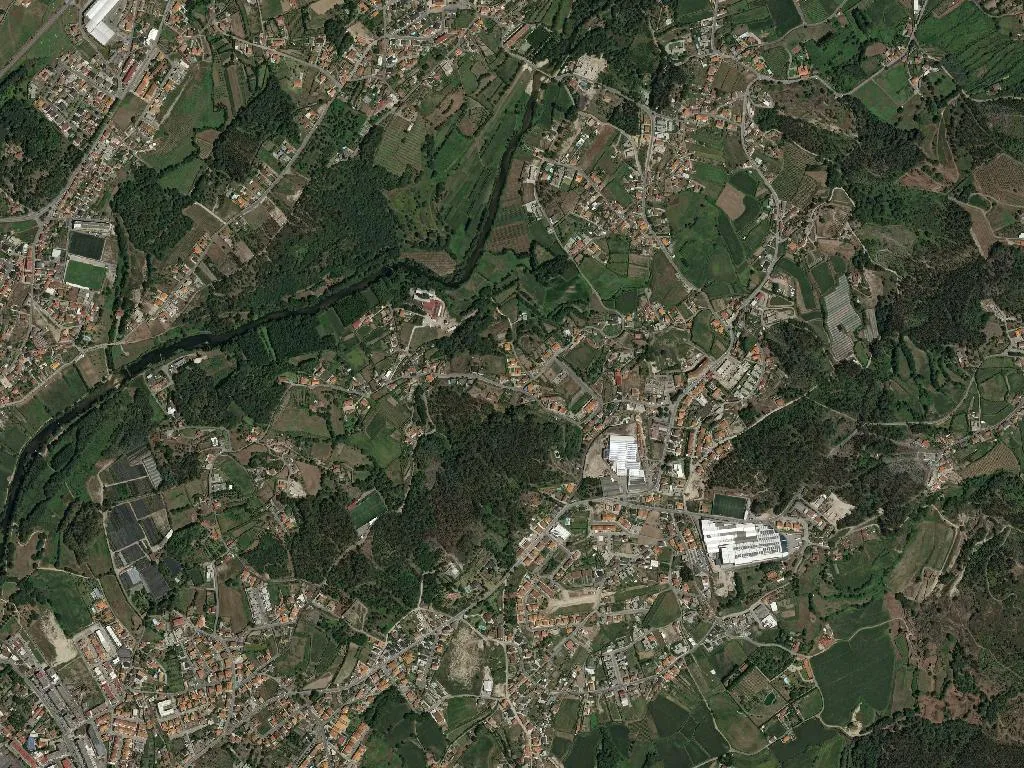
At dawn the glare from hand-slapped lime wash makes you squint. Prazins never sprawls; it grips the granite folds of Guimarães’ southern edge as if buttoning a coat against Atlantic wind. Officially 1,267 souls, but by Sunday breakfast the number drops: students on the bus to Braga’s universities, masons back on French motorway sites. What remains are shoulder-high walls, pergola vines dripping sharp little grapes, and the ammoniac rise of manure steaming in the terraced plots after rain.
Firewater bread and Friday smoke
Inside the barns locals sip vinho de ramada, a green-tinged white that sets teeth on edge. The merely cautious add a splash of soda; the brave swallow and wait for the heartburn. Barrosã beef arrives from the high plains, yet here it is rubbed with local paprika and lowered into the communal oven when Zé lights the kindling. Bread follows the next morning—dense, yellow-crumbed, rasping the throat unless dunked in the meat juices.
Classroom reborn
The primary school closed in 2015; its tiled corridor is now a day centre where grandchildren prod tablets the elders mistake for ironing boards. The playground is still scored with a football pitch, lime replacing chalk when supplies run out. Ripped-kneed boys chase scuffed balls; Castro Laboreiro mastiffs nap in the sun, rousing themselves only if the postman appears before eleven.
Rockets, rosemary and veal rolls
On the first Sunday of September the parish honours its patron, São Torcato. Returnees queue for veal sandwiches carved from the spit, stacked in crusty pão de côdea grossa and washed down with beer that tastes of washing-up liquid if the glasses were rushed. Women wear sprigs of rosemary that end up flavouring the coals; men argue fertiliser prices as though the planet’s fate hung on every kilo. By ten o’clock the sky cracks with rockets; gunpowder clings to the valley for three days.
Night scents that stay
When darkness falls, fog drifts up from the river carrying muck, fried tripe and damp firewood. Smoke settles into unwashed wool coats—fabric softener would be pointless when tomorrow smells the same. Walk the lanes at ten and the only sounds are your own soles dislodging stones and, now and then, the village vending machine coughing back a five-cent coin.