Full article about Prazins Santo Tirso: Where Cedar Smoke Writes Family Trees
Vines, slate walls and secret smokehouses cling to Guimarães’ hidden hamlet above the Ave.
Hide article Read full article
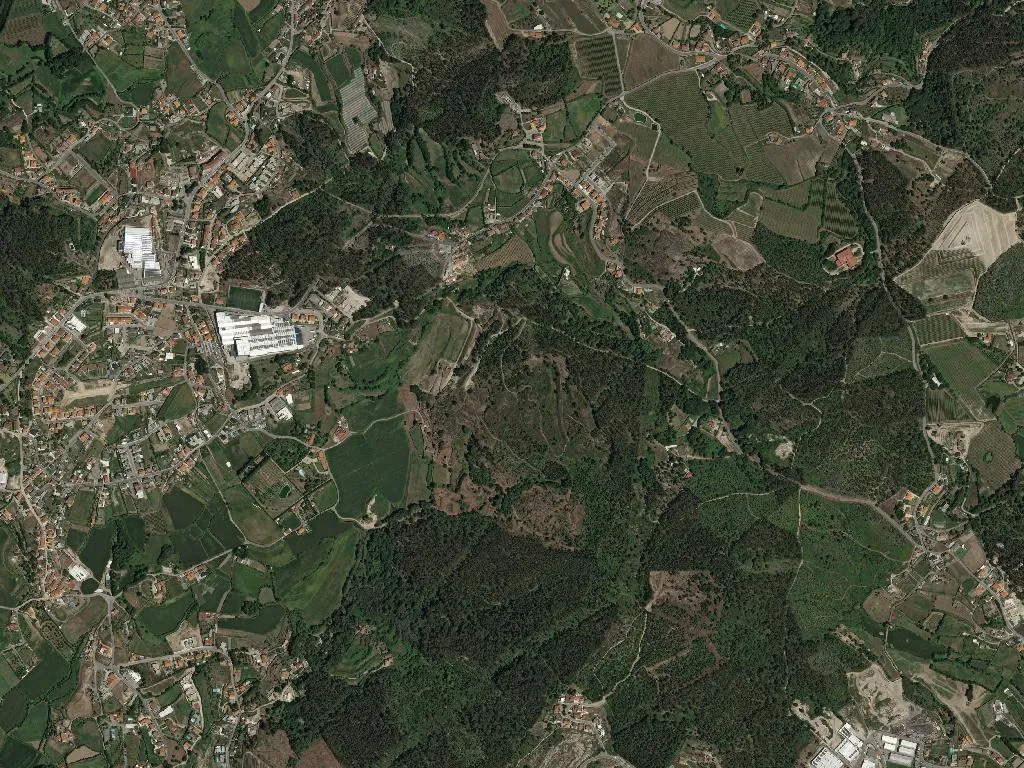
The slate walls of Prazins Santo Tirso hoard the afternoon heat like a whispered confidence. Halfway up the scrubby rise to Monte de São Torcato, the hamlet appears only when the lane narrows and a hand-painted board announces you have, against all evidence, arrived. Terraces of vinho verde vines stack above you; below, the Ave valley is a smudge of eucalyptus and morning mist. Sat-nav insists this is 4800-929, yet the 970 souls who live here still give directions by listing grandparents.
Between vine and smokehouse
Every back garden is its own micro-realm: a 90-year-old pergola, a rogue peach tree no one admits planting, maize stalks fighting slug battalions. And, bolted to the gable, a tiny cedar-smoked hut. Most were nailed together around 1974, the year the dictatorship fell, and the hinges still creak with revolution. Inside, sausage links blush over two-year-old oak. Half the meat is Barrosã beef driven down from a cousin in Montalegre; the rest comes from the pig that spent winter snoring behind the woodshed. Recipes are never written down, only policed: open the door before the fifth day and the neighbour will declare your chouriço incurable.
The parish council claims 422 residents per km², but that must include mongrels. What I see is 30 children in the primary school and a nursery that spilled over from Guimarães’ waiting lists. The 123 pensioners climb the 12 per cent gradient as if training for the Camino, greet you, then ask whose grandchild you are. Answer incorrectly and they’ll recite your entire family tree back to the Napoleonic plunderers.
The echo of the romarias
August means “we’re off to São Torcato”. The faithful start walking at dawn in canvas plimsolls, water bottle swinging. By six the lane outside Prazis is a slow-moving parish parliament comparing wellingtons. When the procession squeezes past at seven, gunpowder rockets explode just above the television aerials; dogs dive under Formica tables, lost tourists duck for cover. Descending at siesta time, every walker halts at Júlio’s bar. A glass of lager and a slab of wood-oven sponge appear whether you ordered or not; the promise was made to the saint, the gossip is the real attraction.
Two weeks later the Festa das Cruzes pulls the same crowd two valleys east to Serzedelo. Whoever lacks a cousin borrows one by the time the spit-roast is raised. The Sunday-night bus home smells of smoke, sangria and songs nobody remembers until the third pint.
Neither village nor city
Prazins is a liminal postcode. Ask Rui, a Porto architect who arrived a decade ago; he still explains to the postie that he isn’t quite in Guimarães, hasn’t quite reached Santo Tirso. Fibre-optic cable beat asphalt here, and Uber still hasn’t bothered. New-build villas in custard-yellow butt against stone threshing floors where grandfathers air-dry maize cobs. Satellite dish, satellite weeds – everything happens at once.
Dusk slips behind Viso ridge; fog unrolls from the Ave. First the hearth, then the bread oven: the perfume of burnt oak meets bean stew vinegar and sun-warmed schist. That smell is the curfew bell. Miss it and you perch on the low wall, count stars the city forgot, and wait to see whether Zé fancies another half-hour. In Prazins closing time is negotiable; dinner invitations are not.