Full article about Sande São Clemente: granite breath & diesel dawn
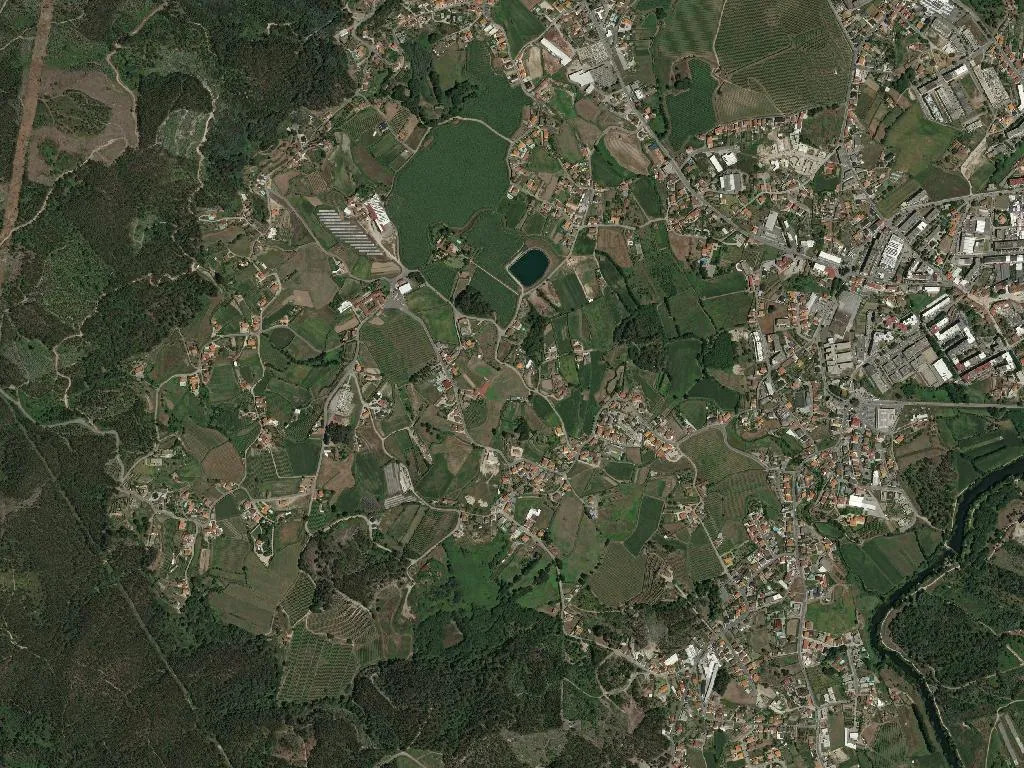
Sande São Clemente hides between tagged vineyards and disappearing walls where espresso, diesel and 89-year-old Dona Alda’s memories thicken the morning ai
Hide article Read full article
Granite, smoke and the creak of a metal shutter
The stone of Sande’s chapels refuses to reflect; it simply flings the morning light back like a slammed door. By seven the café on Rua de São Clemente is already yawning open, its roller gate protesting in metallic Portuguese. Inside, espresso drips into terracotta cups while the first cigarette of the day ignites outside. The soil across the road, turned over yesterday for winter veg, is the colour of wet slate; the air carries not pastoral romance but the blunt, cereal smell of mushroom compost venting from a converted cow shed.
Between vine and wall
These vineyards are not scenery – they are inventory. Every row is tagged with an owner’s name, a bank reference, a tally of last year’s sprays. The pergolas throw shade with the efficiency of a municipal roof, no more. Beneath them children still collect stray corks to sell to the Lixa co-op, while their older sisters time the dash past guard-dogs to reach the bus stop. The dry-stone walls hold until someone from Braga offers cash for facing a new fireplace; then whole sections disappear overnight, leaving ivy and receipts fluttering in the gap. The wind arrives via the N206, carrying diesel grit and the two-note horn code long-distance drivers use to greet each other down the straight.
Borrowed grandeur, local weight
Guimarães castle is ten minutes away, but its ticketed battlements feel irrelevant here. What presses on the parish is the rent spreadsheet taped inside the council window and the way Dona Alda, 89, pronounces the word “pântano” when she remembers the football pitch before it was drained. She will still point to the exact spot where the last leprosário stood in Pego, as though Hansen’s disease might re-emerge from the tarmac. The same granite underlies both city and village; here it simply outlasts the smallholdings that shrink each year, leaving stone, gorse and the low buzz of Japanese knotweed.
Calendar of brass bands and WhatsApp invites
The romaria of São Torcato used to clog the lanes with ox-carts. Now it is essentially a summer home-coming: Toronto airline tags on the suitcases, children who speak English with a Peel Region accent, a WhatsApp group that coordinates processional umbrellas and the brass band’s arrival. Fireworks are still wired by hand – a job entrusted to the one emigrant who once worked in pyrotechnics on the CNE midway. At the Festa das Cruzes in neighbouring Serzedelo the roast suckling pig is pre-ordered through a QR code, collected in foil trays, three euros a bifana. Half the bell chimes are recordings; the loudspeaker hides in the hollow belfry where bats have taken over the clockwork.
Iron pot, clay bowl, five-litre jug
Order carne barrosã in the tavern and the waitress will nod toward the yard where Zé is butchering a small Barrosã cow he finished on hay and yesterday’s baguettes. The meat hits an iron pot that has survived three generations of power cuts, simmers with its own fat and a fistful of home-smoked paprika, then is decanted into a clay bowl still warm from the kiln. You have five minutes before the under-15s football training ends; spoons move at sprint pace. The Vinho Verde arrives in a five-litre jug the father-in-law filled at the cooperative that morning – no tasting notes beyond “bem fresco”. The television above the fridge shows the second division; no one looks up until the keeper mis-kicks into his own net.