Full article about Dawn smoke over Sande’s granite roofs
Barrosã beef, vinho verde and May petal processions in Guimarães’ quiet parish
Hide article Read full article
Morning slant
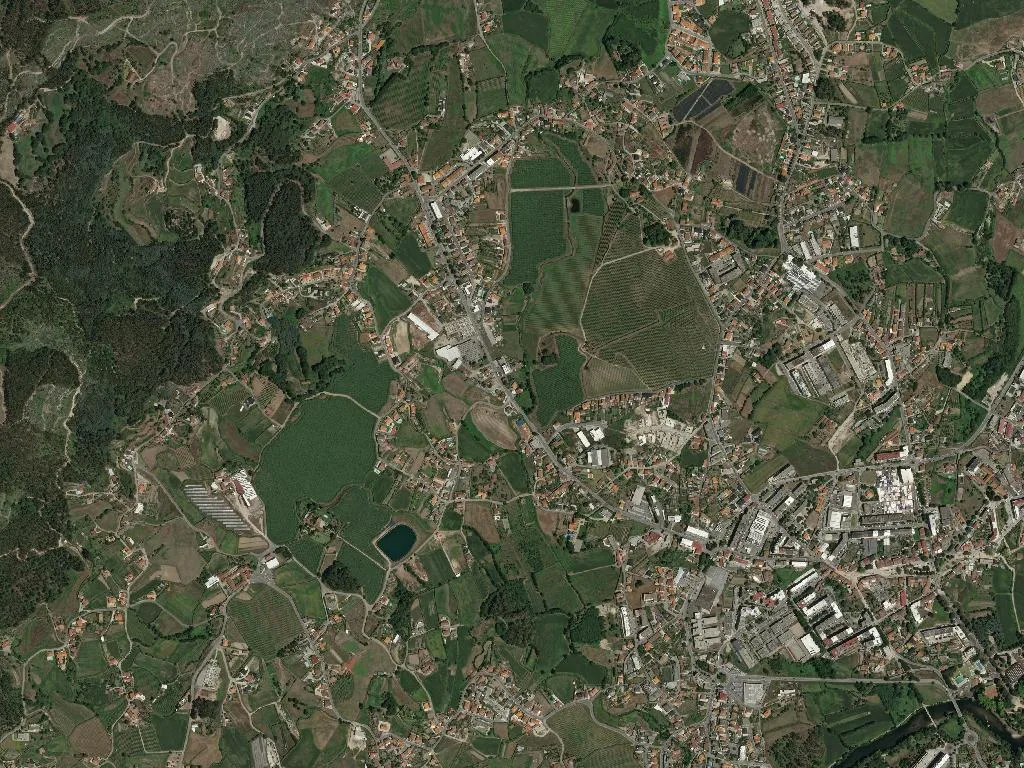
The first light slips in low over the ridge, sliding across the slate roofs and catching the granite setts at an angle that turns every stone into a sundial. In Sande (São Martinho) nobody needs to check the hour; woodsmoke rising from the chimneys and dew still welded to the cabbages say it is barely past seven. Seven kilometres away, Guimarães’s UNESCO-listed centre is already grid-locked with day-trippers, but here the only queue is at the parish pump where two women fill galvanized cans for the goats.
Between vine and smokehouse
Barrosã beef, ivory-veined and registered DOP, is aged in tiny smoke-blackened larders tacked onto 18th-century cottages. Inside, ropes of blood-coloured chouriço drip paprikaed fat onto earthenware trays while, two steps down in the cellar, lemon-sized deposits of yeast drift on vinho verde like miniature ice-floes. The wine’s sharp, Atlantic snap comes from 600 mm of winter rain stored in fissured granite; drink it chilled and it tastes of wet pebble and lime leaf.
Lunch is served without ceremony: caldo verde the colour of English peas, thickened with shreds of Barrosã shoulder; cornmeal broa still wearing the imprint of the baker’s cloth; rojões that hiss as they hit pork fat, the skin blistering into pork-crack bubbles. No tasting menu, no story, just the plate and the weather.
Saints and fireworks
On the first Sunday in May, the Festa das Cruzes turns Serzedelo’s narrow lane into a petal-strewn catwalk. Locals shoulder processional crosses wreathed in wild orchids, then retreat to trestle tables for grilled sardines and glasses of rasping white. A repeat performance follows on 15 August with the Romaria Grande de São Torcato – a brass band, three priests, and enough sky-rocket gunpowder to register on Nasa satellites. House fronts get a hurried coat of limewash the week before; geraniums appear in olive-oil tins on window-sills. Five small guesthouses – one is simply three rooms above the café – let visitors stay long enough to learn the difference between a church bell and a cowbell.
Generations in parallel
Of the 2 239 residents counted in 2021, 22 per cent are over 65 and only 11 per cent under 15 – a ratio that mirrors much of northern Portugal’s interior. Yet the primary school still rattles with footballs at break time, and the bar “O Cantinho” fills with grandfathers teaching six-year-olds how to play Sueca over milky coffee. In the terraced vineyards you’ll find the same family pruning: grandfather demonstrating the angle of the secateur cut, grandson snapping off last year’s growth with the confidence of someone who has inherited land rather than bought it.
Evening brings the horizontal gold that photographers call “sweet light”. Granite walls warm to the colour of burnt cream; woodsmoke rises dead-straight in the still air. There is nothing to do except walk the lane between cow parsley and moss-covered walls, listening to walnuts clack in the breeze. Sande (São Martinho) offers no souvenir shops, no viewpoints with interpretive panels. It offers instead the rare sensation that time has kept its own specific gravity, and that you, briefly, have been allowed to weigh the same.