Full article about Sande (Vila Nova): granite hush above Guimarães
13th-century bell, Loureiro terraces, slow roast Barrosã—Braga’s pocket-sized parish breathes centur
Hide article Read full article
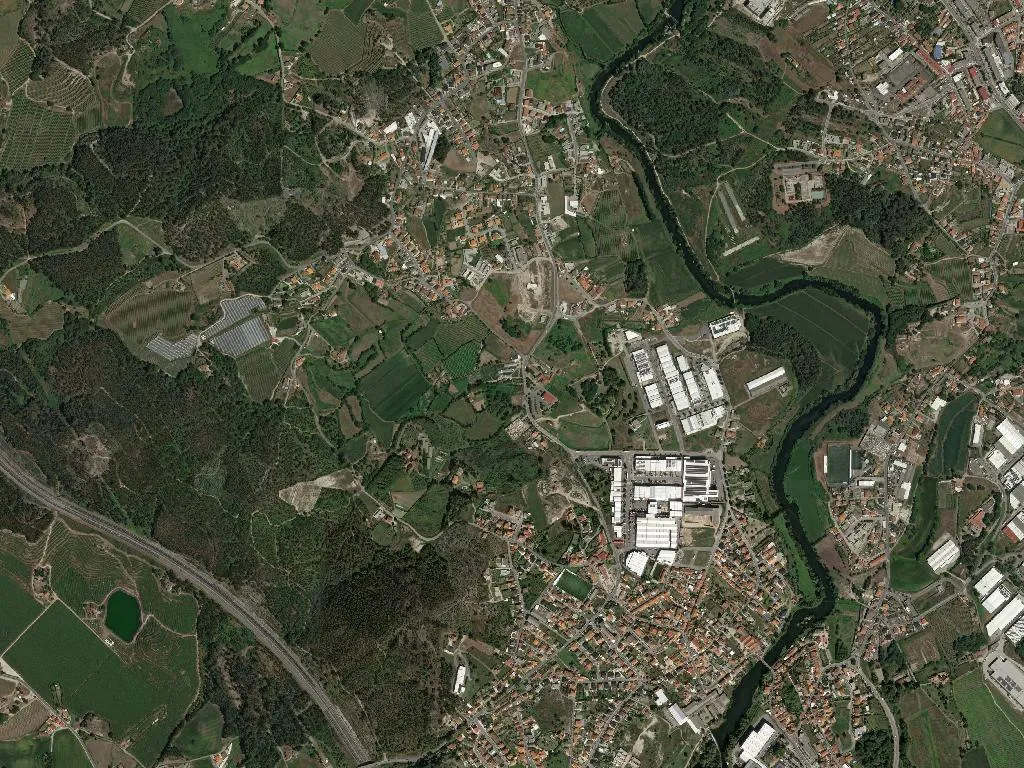
The granite church stands squarely on the praça as though it has been inhaling and exhaling the same slow breath since the 13th century. Even after the sun clears the surrounding ridge, its walls still hold the chill of dawn; the bell counts the hours not to urge anyone on, but to let the day settle into its own unhurried cadence. This is Sande (Vila Nova), a parish that occupies barely two and a half square kilometres at 129 m above sea level and refuses to hurry for anyone.
Green geometry
Between the scattered hamlets, the slopes are pleated into narrow terraces of Loureiro and Trajadura vines. From late August the grapes begin to sag on their stems, releasing a scent that is part bruised pear, part warm schist. The rows curve with the topography, so from the single through-road it looks as though someone has drawn green contour lines directly onto the land. Walk between them at dusk and you will hear the soft pop of ripening skins before you see them.
In the slip-stream of the cradle
Guimarães’ UNESCO-listed centre is barely eight kilometres south, but Sande feels no pressure to audition for the same audience. Dry-stone walls still parcel up smallholdings; stone espigueiros on stilts store last season’s corn; vegetable plots survive between new-builds, their kale and runner beans staking a claim on every spare patch.
The liturgical calendar still organises life. In mid-May the Festa das Cruzes hauls processions, fairground stalls and the smoke of roasting chouriço up the lane from neighbouring Serzedelo. July belongs to São Torcato: brass bands, barefoot promessas and a forest of candles move through the streets in a single, slow current of devotion. Return two weeks later and you will find only tyre tracks in the dust and a faint sweetness of burnt bay leaves.
Plate and glass
Barrosã beef, brought down from the uplands towards Montalegre, appears on local tables as rojões—cubed shoulder seared in lard with garlic and a splash of red. It is drunk with the same Loureiro that grows within sight of the kitchen window, bottled as a spritzy Vinho Verde that scours the palate and demands another mouthful. In the single tasca open at lunchtime, caldo verde is spooned from a copper pot, its shredded greens dark against the yellow of freshly ground cornmeal bread. No one checks the time.
Stay long enough to hear the six-o’clock bell ricochet off granite, to taste the first sour note of wine on your tongue, to see wood-smoke ribbon out of a chimney against a honey-coloured façade, and you will understand: Sande does not collect memories; it imprints them.