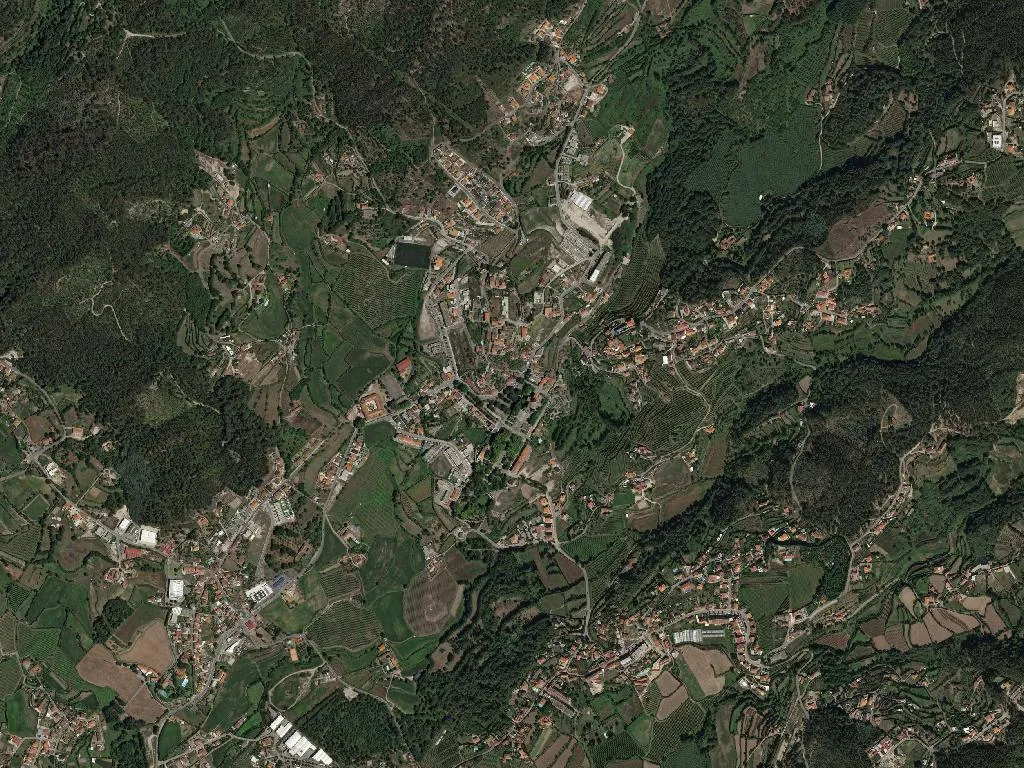
Full article about São Torcato: a 330-year flame that history couldn’t snuff
Guimarães village guards an eternal lamp, defiant relics and a basilica 190 years in the making
Hide article Read full article
The lamp that outlived empires
An olive-oil lamp has been burning continuously inside the basilica at São Torcato since 1693. It survived the 1755 Lisbon earthquake, Napoleon’s invasions, two world wars and the Carnation Revolution. Step close to the glass reliquary and the flame shivers, throwing restless shadows across granite that was quarried 3 km away. Beeswax and frankincense hang in the air, overlaying the metallic tang of water that seeps from the chapel floor – a spring locals insist appeared the day the saint’s incorrupt body was found in 1637. Fill a plastic bottle and you join a queue that has never shortened in four centuries.
The village the king couldn’t move
The first written record is a royal charter of 1049: “the land of Saint Torcato.” By then a Benedictine monastery already stood on the ridge above the Selho valley, its titular martyr believed to be a seventh-century Visigoth bishop beheaded in Andalusia. When King Manuel I tried to translate the relics to Guimarães’ collegiate church in 1502, women lay across the ox-cart’s path and the cortège retreated. The same thing happened in 1597 and again in 1637. The message was clear: São Torcato stays put, 263 m above sea level, ringed by smallholdings where Barrosã cattle graze between rows of maize.
Granite, gilt and 190 years of stop-go
Work began on the present basilica in 1825, paused for lack of funds, resumed in 1868 when a Prussian architect won the competition, stalled again during the First Republic, and was finally consecrated in 2015. The result is a hybrid: neo-Manueline spires grafted onto a Romanesque core, the whole hewn from local grey granite so fine it looks like pastry. Inside, only one tower carries bells; the other is empty, a deliberate gap in the carillon’s 14-note scale that makes the noon Angelus sound slightly off-key. Beneath the gilded high altar the brotherhood displays wax legs, silver hearts and faded photographs – votives offered in return for headaches cured, harvests saved, sons returned safely from Mozambique.
Three Sundays, three parties
27 February, the Feast of the 27, marks the saint’s martyrdom with a dawn Mass followed by an open-air market for smoked-lean chouriço and rye bread. The third Sunday in May is the Water Festival: children queue at the chapel spring to refill Evian bottles while brass bands play marches by Guimarães composer José Leite. The first weekend of July is the Big Pilgrimage: the village triples in size, campanologists arrive from Galicia, and the parish council lays on cast-iron cauldrons of sarrabulho – pork blood stew thickened with cumin and smoked ham – served with sharp vinho verde that cuts the fat better than any corkscrew.
New trees for an old valley
Behind the basilica the River Selho loops through water-meadows where herons stalk the irrigation channels. A new 7-hectare woodland planted in 2024 links the village to the granite uplands: 1,250 native oaks, strawberry trees and holm oaks now absorb the valley’s morning mist. Jogging machines installed beside the artificial lake clank gently at dusk, drowned out by cowbells from the opposite bank. Follow the footpath upwards and you look back over pantiled roofs to the unfinished dome, its stone still two shades lighter than the rest, waiting for the next century to weather into uniformity.
When the last firework fades and the final drumbeat dissolves into the Selho’s riffles, the olive-oil lamp keeps its small bargain with eternity. Outside, oak smoke from curing sheds drifts across the war-memorial sculpture, mixing with dew that settles on roadside shrines. São Torcato asks only that you drink the cold water, taste the stew while it steams, and listen until the bells lag their two deliberate seconds behind your heartbeat.