Full article about Selho: Bells, Beef & Barrosã Cattle in Minho
Selho (São Cristóvão), Guimarães: hear three dawn bells, taste DOP Barrosã beef at the Festa das Cruzes, follow torch-lit processions.
Hide article Read full article
Three bells at dawn
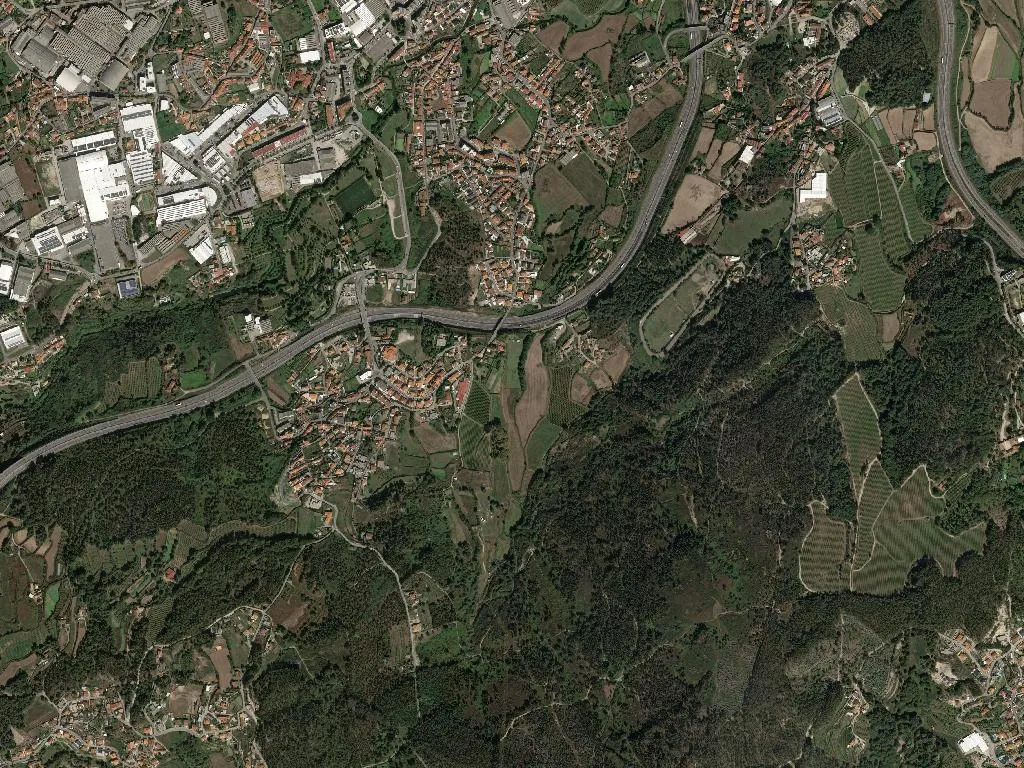
The bell of São Cristóvão tolls three slow strokes across maize fields still silvered with dew. In the lanes of Selho, fresh tarmac gives way to granite setts polished by decades of ox-carts; wood-smoke drifts from chimneys and mingles with the scent of wet pasture where Barrosã cattle graze. Barely ten minutes from Guimarães’ roaring textile plants, this parish of 2,138 souls keeps time by the plough, not the shift whistle.
From church lands to stone crosses
Selho takes its name from the medieval “sécula”, land held directly by the cathedral. That ecclesiastical imprint is still visible: the parish church, dedicated to the patron saint of travellers, is a modest granite box enlarged in Manueline and baroque centuries, its square tower the reference point for every field boundary.
Outside the village, granite cruciform markers punctuate the countryside. The most imposing is the Cruzeiro de Serzedelo, focus of the Festa das Cruzes every May for over 200 years. During the three-day romaria, residents thread the roads with tissue-paper flowers, processions weave between hydrangea-filled gardens, and the night ends with brass-band serenades that rattle the windows of every house.
On 25 July the calendar swings to São Cristóvão himself. After high mass, long communal tables appear in the churchyard for slow-roasted kid and rojões—pork shoulder marinated in wine, garlic and bay—carved in thick slabs and splashed with vinho verde drawn from local vines. Later in August, half the village decamps to neighbouring São Torcato for its Grande Romaria, carrying the image in an overnight torch-lit procession that binds the two parishes together.
Barrosã beef and winter porridge
Selho cooks with the conservative precision of northern Minho. Carne Barrosã DOP—meat from the long-horned, dun-coloured cattle you have just walked past—arrives as a winter-rich stew thickened with carrot and turnip, or simply grilled over oak embers so the fat acquires a faint blue smoke. January demands papas de sarrabulho, a porridge of pig’s blood, cumin and smoked paprika that keeps the Atlantic chill at bay. Cornbread, still baked in the communal wood-oven behind the parish hall, is the everyday carbohydrate; the celebratory loaf is bolo de festa, a feather-light sponge dredged in icing sugar that appears at every christening and procession.
Desserts obey the convent recipes of Guimarães: toucinho-do-céu, a yolk-heavy almond custard, and suspiros—meringue kisses that dissolve on the tongue—best taken with a glass of sharp, lightly sparkling vinho verde that slices through pork fat and prepares the palate for the inevitable aguardiente.
Water lanes, granaries and oak shade
The parish rolls at 180 m above sea level, a last ripple before the granite ramparts of the Serra da Penha. Maize terraces alternate with meadows where Barrosã cows graze under holm-oak and chestnut. Medieval irrigation channels—levadas no wider than a boot—still cut discreet lines between plots, feeding the Selho river and its clean tributaries.
There are no way-marked trails, but the old green lanes link Selho to Serzedelo and on to the bulbous baroque sanctuary of São Torcato; allow 90 quiet minutes for the circuit, binoculars ready for kingfishers and serins. Half-way to Serzedelo a cluster of stone-and-timber espigueiros stands in a meadow—narrow granaries raised on pillars to keep corn dry, relics of an economy that balanced maize and milk long before tourism reached the Ave valley.
No main road bisects the parish; the evening bus from Guimarães is the only regular traffic. When the church bell sounds again at dusk, the note rolls down the lanes, settles over the water meadows, and the silence that follows smells of damp earth and granite cooling in the night air.