Full article about Serzedelo: Where the Bridge Sings & Rome Once Marched
Granite, fog and Barrosã beef in Guimarães’ riverside time-capsule parish
Hide article Read full article
The Sound Arrives First
Water slaps granite like a fist on a neighbour’s door. Ponte do Soeiro has been doing this for eight centuries and still hasn’t bothered to look its age; the Romanesque masons fitted every block so precisely that in 2020 the University of Minho turned up with laser scanners and a €4.5 million grant, dismantled the whole thing stone by stone, tagged each one like a museum artefact, and put it back in exactly the same place. In Serzedelo they shrug: “They rebuilt the bridge, but it was already here.”
A Stone That Watched Rome Go By
This was the crossing point of the Via XVII, the military road that marched from Braga to Astorga. Pilgrims heading for Santiago and cattle dealers steering veal calves north had no choice but to queue here, the only dry way over the Rio Selho. The parish name is a contraction of the Latin Serdelum – “old dwelling” – and it still feels like a place that has never needed a heritage sign. The church is whitewashed and reticent, the sort of building that goes to early mass and slips out before coffee. Granite walls, timber balconies, schist thresholds – everything speaks sotto voce.
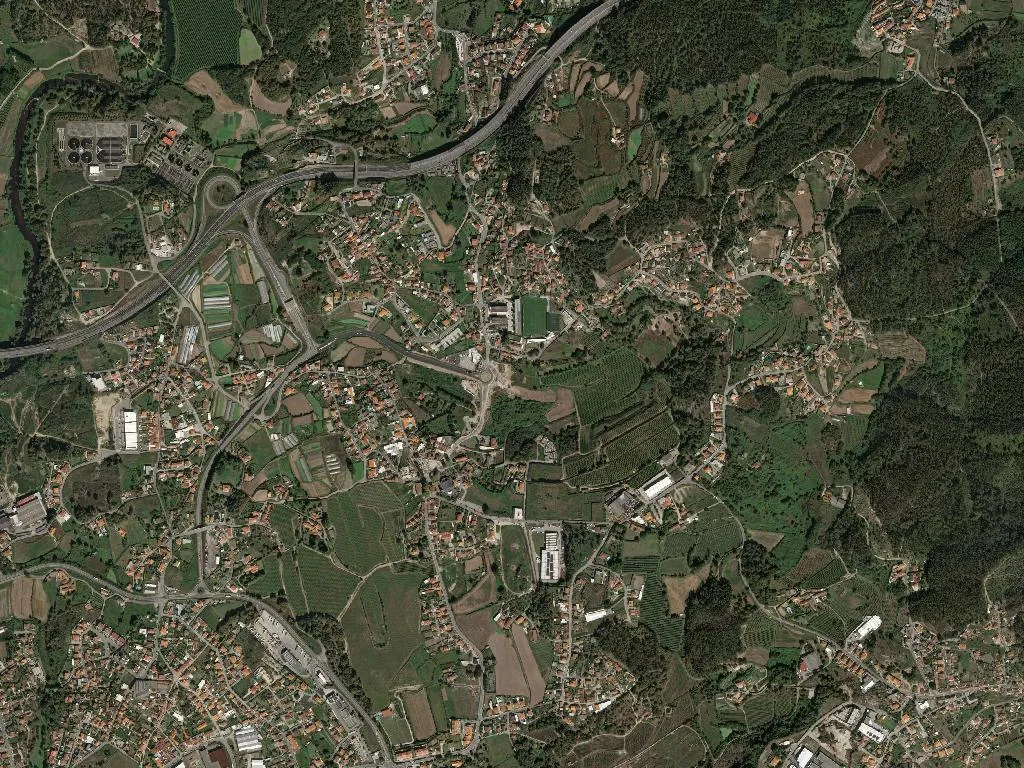
Walk the river path and the valley narrows like a pulled drawstring. Low-trained vines interlock overhead, maize stands in flat emerald panels, and morning fog unpeels itself slowly, like someone in no mood for conversation. At 142 m above sea level the air is damp and smells of turned earth. You can hoof it all the way to São Bento da Porta Aberta, the open-air pilgrimage sanctuary, but pack water – there isn’t a café for miles.
Feasts That Fill the Valley – and the Belly
Twice a year the village swells until its seams creak. The Festa das Cruzes and the Romaria de São Torcato pump brass bands through the lanes and smoke from the Barrosã grills. The beef is yard-flavoured, marbled like a butcher’s chart yet somehow more honest, served with corn broa and a glass of vinho verde that keeps asking for a refill. In the pop-up taverns you’ll find sausages that have been air-drying since last autumn and convent sweets still tasting of the nuns’ orange-flower water. The cornbread cools on linen cloths – no Instagram pause required.
The River, the Bridge, and What’s Left
After the restoration, the council installed stone benches for contemplative tourists. Ignore them. Instead, lean over the parapet and lay your palm on the abraded granite: it holds the afternoon sun like a stored memory and is furrowed like a grandmother’s cheek. Below, the Selho keeps rinsing the same story, indifferent to inaugurations. So does the bridge. Serzedelo remains what it has always been – a place to cross the river, attend mass, and wait for the next feast. Population 3,418 on 513 hectares – plenty of pensioners who remember the pre-asphalt days, a handful of under-30s still deciding whether to stay. The bridge isn’t going anywhere. As Zé from the café says: “She’s seen more traffic than the Guimarães courthouse.”