Full article about Silvares: Dawn Mist Over Granite & Vine
Oak-scented vinho verde, Barrosã beef sizzling on vine-prunings—Silvares feeds the senses
Hide article Read full article
The scent of wet earth steams off the valley floor while dawn still wavers between fog and first light. Granite cottages the colour of weathered linen soak up the warmth slowly; only then do the rows of Loureiro and Arinto vines snap into focus, tracing the low ridges around Silvares like green stitching on grey cloth. Sound is scarce—just your own soles scuffing the stone lane and, far below, the Ave river sifting over granite boulders. It is the audible equivalent of negative space, deliberate and agricultural.
Between Wood and Wine
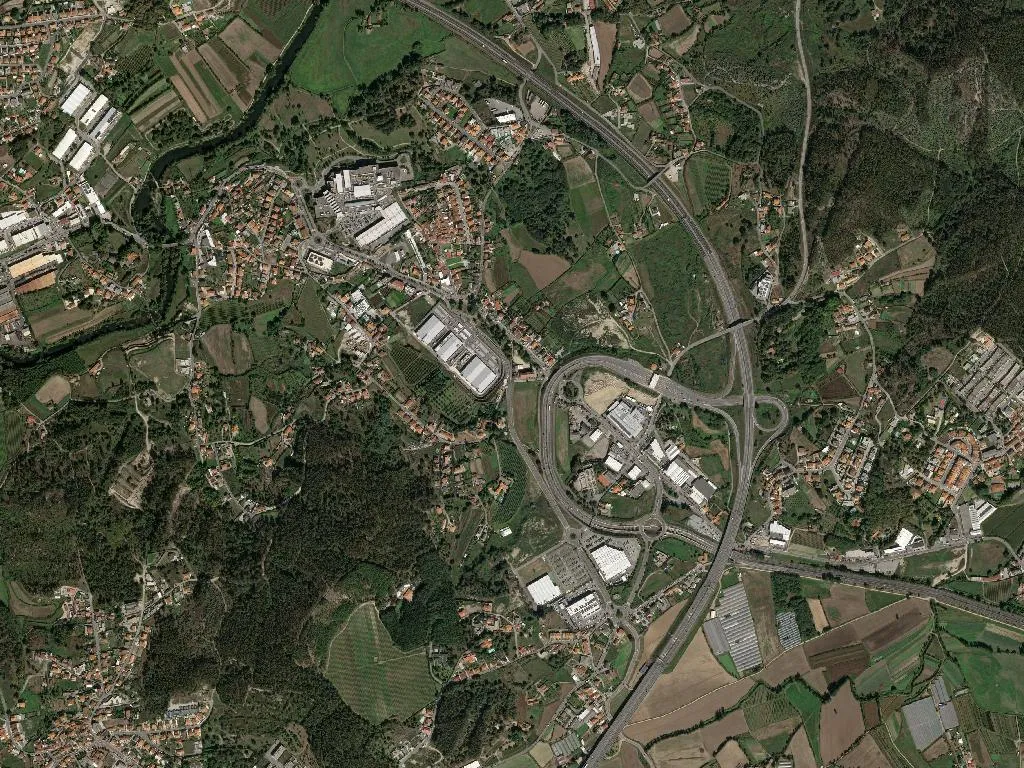
Silvares takes its name from the Latin silva: woodland. Thirteenth-century charters record payments in oak kindling and pig-fat, proof that the hills were once dense enough to lose a village in. Today the forest survives as a set of place-names—Silvareda, Silva Escura—and as a flavour in the glass: the white wines are fermented cool, left sur lie just long enough to pick up a resinous whisper that reminds tasters of pine sap and cedar shavings. With 2,250 residents scattered across 448 hectares, the parish still keeps the slow pulse of sowing and pruning, even though Guimarães’ UNESCO-listed centre is 12 minutes away by car.
What Appears on the Table
Barrosã beef, DOP-protected and reared on the high Bragança meadows, is trucked in once a week and hung for fourteen days in a chilled room behind the parish bakery. Locals sear the fore-rib over vine-prunings, the flames licking up through the grill bars until the fat edges bronze. The meat is paired, almost obligatorily, with a vinho verde from Quinta da Silvareda—pale, lightly spritzed, its acidity shearing cleanly through the marbling. Dessert is less ceremonial: a slab of pão de ló still warm from the wood oven, the sponge’s centre sinking as it cools.
Calendar of Fire and Brass
Silvares has no patron saint of its own, so it borrows its neighbours’ ecstasies. On 3 May the lanes empty as residents walk the three kilometres to Serzedelo for the Festa das Cruzes, carrying processional crosses wrapped in white azaleas. Six weeks later the road fills again, this time in the opposite direction, for the Romaria de São Torcato: brass bands, barefoot penitents, and a reliquary said to hold the blood of a seventh-century martyr. Between processions the church doors stay shut; swallows nest above the lintel, undisturbed.
The Visible Everyday
There is only one registered guest-house, a granite longhouse turned over to slow travellers who arrive with bicycles and bird books. Walk at dusk and you’ll see why they bother: schist lanes glow rust-red in the slant light, shadow fingers stretching across vineyards where women in cotton headscarves still prune by eye, counting buds under their breath. Wood-smoke drifts from chimneys; somewhere a generator thumps once, then surrenders to the quiet. Silvares does not court you. It simply continues—an unshowy, self-contained loop of soil, grape and stone that smells, tonight, of wet earth and second fermentation.