Full article about Vermil: Where Vinho Verde Ripples Through Granite Lanes
Sun-warmed vines, Roman levadas and slow-roasted Barrosã beef in Guimarães’ hidden parish
Hide article Read full article
The granite houses still hold the day’s heat when the church bell tolls for evensong. In Vermil, stone walls shoulder narrow lanes where footsteps echo back and the hiss of water in the levadas — the same miniature canals the Romans introduced — threads through the maize plots. At eye level the sun-slanted vines glow like filaments; they are Loureiro and Trajadura, trained low for the Atlantic breeze, and the first clusters will be cut in mid-August while the rest of Europe is still flowering.
Vine terraces and running water
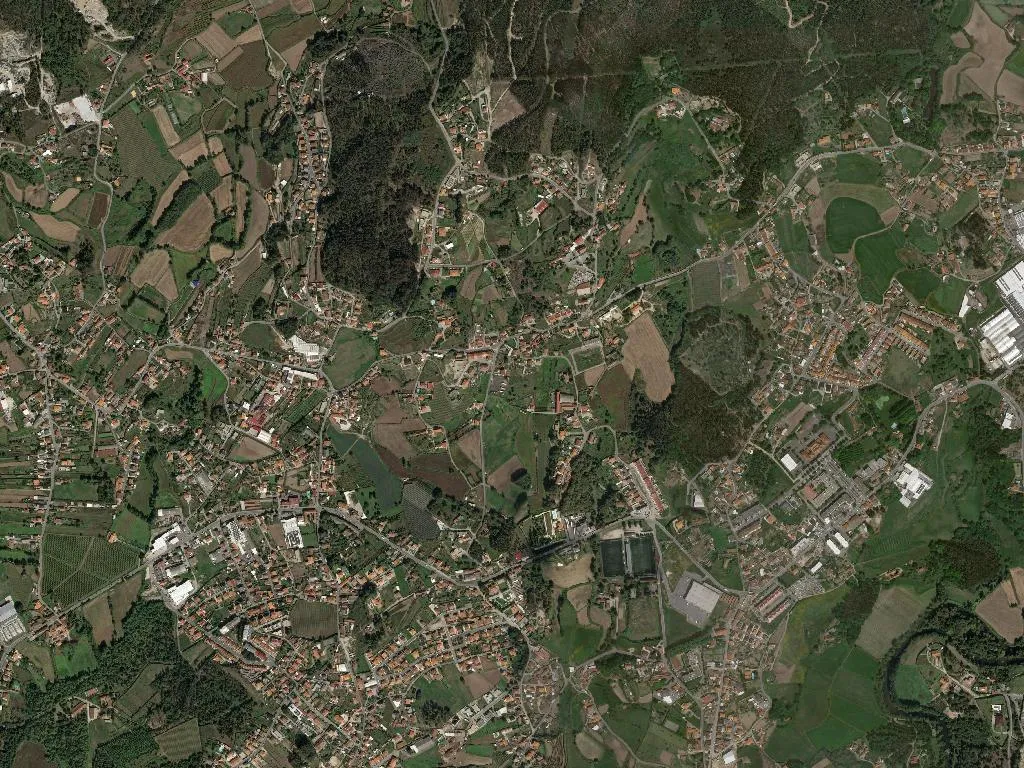
The parish covers 230 ha at 146 m above sea level, close enough to Guimarães (15 min by car) to borrow its Waitrose-equivalent supermarkets, far enough to keep its own rhythm. Population density tops 400 per km² yet nothing feels crowded: dwellings sit in loose clusters, separated by walled vegetable gardens and orchards of Rocha pears and Bravo de Esmolfe apples.
Every shade of green is literal. Dark cordons of vines, pale rye grass in the water-meadows, black-green moss on granite troughs. The 18th-century irrigation system still works by gravity; follow any farm track and you will hear water before you see it, a constant hush broken only by a cockerel or the diesel cough of a small John Deere.
The calendar is written in grapes. Significant acreage is given over to Vinho Verde, the young, lightly pétillant white that appears on Sunday lunch tables in ice-filled ceramic bowls. During September the air smells of crushed arinto and azal; tractors trail trailers dripping juice, and the parish’s communal bakery fires up chestnut logs for the weekly batch of broa — corn and rye bread with a crust thick enough to survive a week in a linen drawer.
Barrosã beef and other table laws
The kitchen starts in the field. Barrosã DOP cattle, pastured 100 km east in the Trás-os-Montes, arrive here as immense sides, marbled and almost purple. The butcher hangs them 21 days, then the joints are seasoned only with coarse salt and slow-roasted over oak embers. On feast days the menu lengthens: arroz de cabidela — chicken blood rice tinted claret — and chouriço de carne, a soft, wine-scented sausage eaten with warm slices of broa and glasses of the current year’s vinho verde poured from white ceramic cântaros.
Festas that still close roads
Religion organises the year. The Festa das Cruzes in neighbouring Serzedelo brings brass bands and processions of girls in palmal embroidered shawls, while the Romaria Grande de São Torcato — one of the Minho’s oldest pilgrimages — turns the lanes into a slow-moving river of candles and green velvet banners. During these weekends the demographic arithmetic is visible: 152 teenagers, 359 pensioners, everyone related by blood or marriage, renewing promises that geography has stretched but never broken.
Unesco’s World Heritage centre of Guimarães is a quarter-hour away, yet Vermil faces the other direction. Residents shop in the city’s covered market, take their children to the paediatric hospital, then return to earth-scented lanes where the loudest sound is a grape leaf hitting water. Night closes house by house: shutters thud, wood smoke rises, a dog barks on the opposite slope. The wind carries the sweet-sour breath of fermenting must — an olfactory postscript that lingers long after the visitor has turned back towards the A11.