Full article about Barrosã cows & blood-rice in Campos e Louredo
Granite pastures, turnip-top soup and sarrabulho scent the merged parish of Campos e Louredo
Hide article Read full article
The lowing of a Barrosã cow
The lowing of a Barrosã cow is more gravel than bass – a note that splinters as the animal lowers her head to the concrete trough beside the dry-stone wall. At seven-thirty in Campos the mist still clings to the terraces; Mr Armando, beret skewed, crosses the yard with yesterday’s bread for the hens. No one looks twice at the cattle: slow-moving burgundy blotches among the gorse, they are simply part of the furniture.
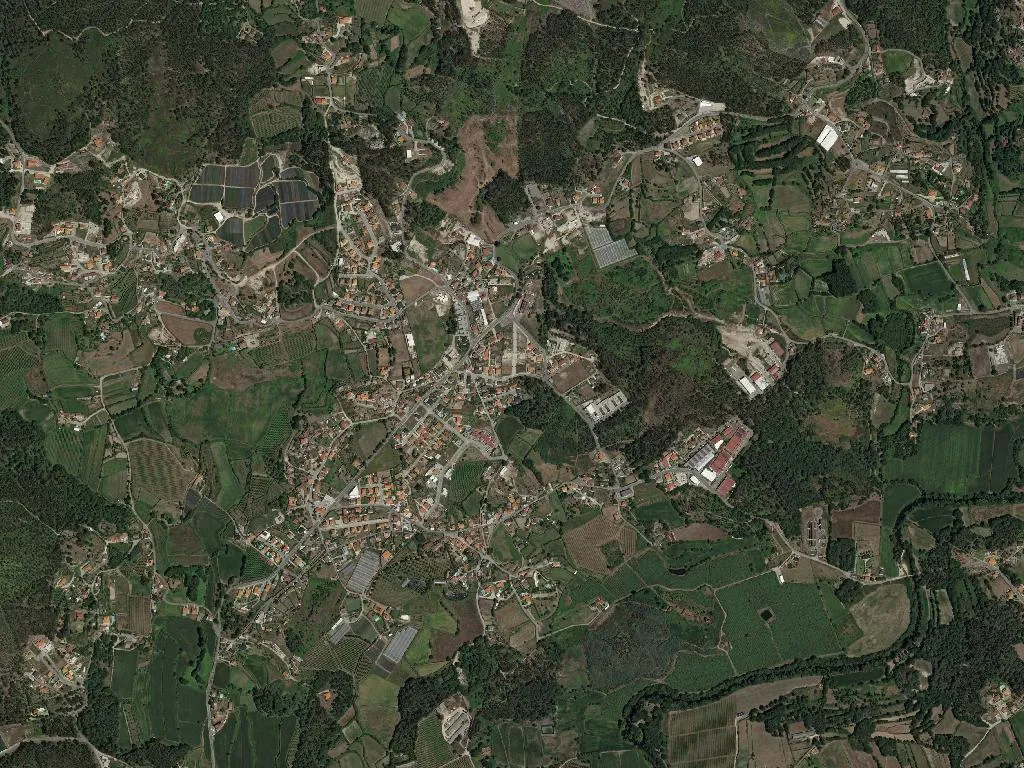
The 2013 merger that yoked Campos to neighbouring Louredo still feels like an arranged marriage to older residents. “Campos is Campos, Louredo is Louredo,” they insist. From the chapel of Senhora do Porto, 204 m above sea level, you can take in the whole parish – 506 hectares, 1 391 souls, and enough emigrants in France and Switzerland to empty the primary school had their grandchildren not started returning at weekends for grandmother’s turnip-top soup.
Medieval roots, contemporary flavour
The Barrosãs graze the same granite-strewn pastures their ancestors did, only now the wire pulses with solar electric and the vet arrives in a Citroën Berlingo. Barrosã-PDO beef leaves the parish via Zé Mário’s butcher’s, next to Café O Parque, and travels as far as Viana, but the prime sirloins stay put. During the winter matança the air carries iron and wood-smoke; women swap blood-sausage recipes outside the barn while men portion the carcass into cuts that will just squeeze into the chest freezer.
At A Calceta, Albertina still serves rojões in her mother’s cast-iron pot. The paprika comes from Sr Albano’s grocery; the vinho verde is last year’s and rings the glass with white lace when it’s right. The sarrabulho rice – thickened with fresh pig’s blood, not for faint-hearted tourists – demands an afternoon of patient stirring to keep it from clotting.
Honey and dirt tracks
Sr Joaquim’s honey tastes of rock-rose and gorse because, he claims, his bees fly higher than everyone else’s. The hives sit behind the house on land that has been apiary since his father’s day. To buy a jar you perch on the concrete bench by the gate, wait while he fetches a one-litre screw-top, and listen to the annual lament: too wet, flowers ruined, bees skittish.
The unmade lane between Campos and Louredo carries a pothole nobody mends – “natural speed bump,” the locals shrug. Ferns colonise the drip line of the wall; in September a rogue fig tree litters the tarmac with syrupy corpses. When winter rain swells the stream it chatters like a frying pan; by August you can hop across in trainers and stay dry.
March festival
The feast of St Joseph lands in that limbo when the Atlantic no longer feels like winter but spring hasn’t yet been approved. The brass band marches up from Póvoa de Lanhoso, launching into hymns everyone knows without rehearsal, then the priest blesses sardines-on-bread and plastic cups of red. Children leave clutching helium balloons; grandparents recall processions lit by olive-oil lamps. In the churchyard the women’s association sells fat slices of rabanadas – golden, cinnamon-dusted Portuguese pain perdu – fried that morning in the parish-council kitchen using pans brought from home and sugar quotas argued over for decades.
When the sun drops behind the football pitch, the scent of woodsmoke isn’t rustic ambience – it’s Mr Domingos burning vine prunings, Mrs Amélia lighting her cast-iron range because bottled gas is dear. On windless evenings the smoke hangs motionless above the roofs like a grey awning, signalling another day closing. Tomorrow the same bass-note lowing will begin again, the bakery will exhale the first steam, and Café O Parque will fill with men unpicking the world’s problems before nine.