Full article about Ferreiros: Where Iron Still Rings Over Minho Meadows
Roman forges, merged parishes and sardine-stuffed bread in a 410-strong Braga smith village
Hide article Read full article
The hammer strikes before you see the forge
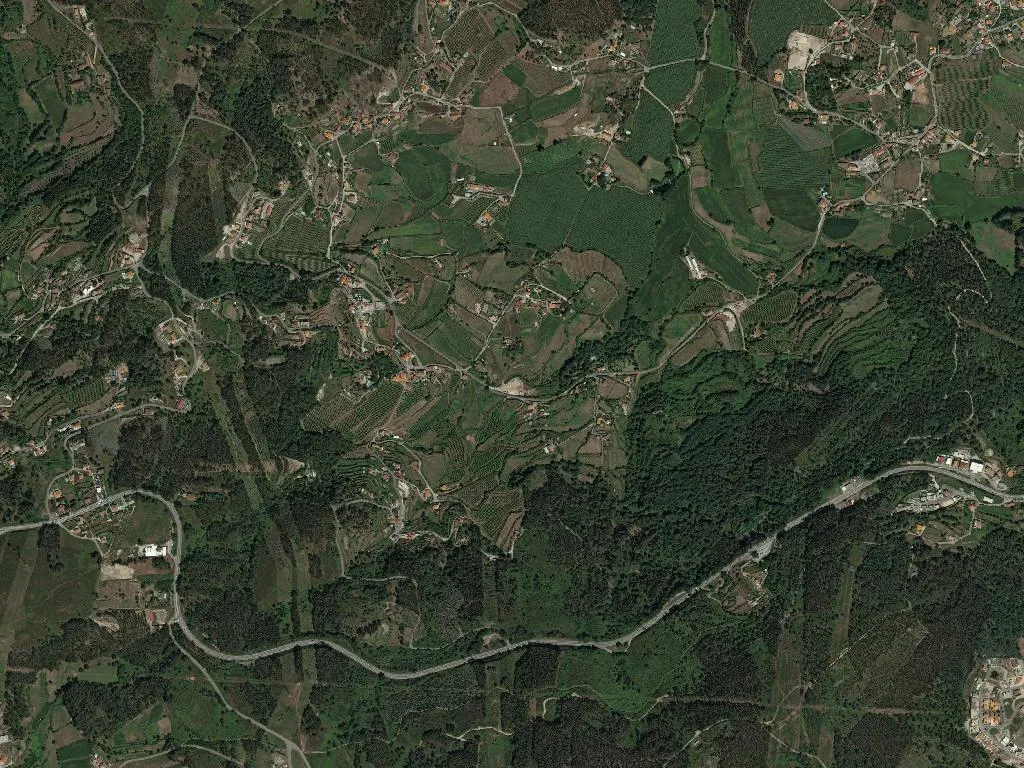
The clang reaches you first, ricocheting off granite walls long before the workshop comes into view. In Ferreiros — the name simply means “smiths” — iron has been worked since the Romans mined the surrounding hills for gold. The parish crest is candid about the obsession: a castle flanked by two anvils. At 168 m above sea level, on 440 ha of meadow that tilt gently towards the infant Este River, 410 inhabitants keep time by the ring of metal rather than the church clock.
When two parishes became one
The limestone tower of São Martinho has presided over the square since 1179, the year the parish first appears in a royal charter. Ask in the café and someone will tell you that, until 1320, the settlement supported two rival parishes — São Martinho to the west, São Miguel to the east — separated by little more than pride and a drainage ditch. The merger left a single bell whose bronze voice still rolls across dark-slate roofs. The churchyard’s granite benches hoard morning dew until the sun finally warms the stone, releasing the flinty scent unique to 400-million-year-old rock.
The mountain that gathered twenty-two parishes
Two kilometres south, a stump of wall and a stone cross mark the site of São Sebastião chapel. On the third Sunday of July, until the 1950s, this windy saddle drew pilgrims from twenty-two parishes who climbed oak-and-gorse lanes to hear Mass in the open air. The chapel is gone, but the granite terrace it left behind is still the best natural belvedere in the Minho: a 270-degree sweep of smallholdings stitched together by loose-stone walls, the white dots of farmsteads glinting like salt on green cloth. Partridge whirr up from the broom; quail call from the bracken below.
Sardine loaf and paprika pork at table
Ferreiros keeps its gastronomy plain-spoken. Bola com Sardinhas — a dome of wheat bread stuffed with sardines, parsley and garlic, served hot enough for olive oil to run down your wrist — is Saturday lunch in every kitchen. It shares table space with Arroz Pica no Chão (chicken-and-smoked-sausage rice finished in the oven) and rojoada, a slow braise of pork shoulder and blood pudding that demands a tumbler of Loureiro-based Vinho Verde. Carne Barrosã DOP — meat from the long-horned mountain cattle — hangs for twenty-one days in the butcher’s cold room, arriving at the plate almost purple, tasting of wild thyme and acorns. Finish with honey from Terras Altas do Minho, so high in heather pollen it sets to a silky fudge in the jar.
What the road brought
The Braga–Póvoa de Lanhoso turnpike arrived in 1872, carving a straight line through maize plots and chestnut groves. It ended three centuries of near-isolation — in 1734 the village counted only 49 hearths and 74 souls — yet did not upset the balance: houses still occupy less than a tenth of the parish, the rest given over to rye, potatoes and the small pastures that feed the Barrosã herd. Each March the square fills for the Festa de São José (Father’s Day here), when improvised barbecue pits send wood-smoke skywards and every family brings its own marinated pork ribs. When the last accordion chord fades and the embers are doused, the only sound is the distant knock of iron on iron — proof that Ferreiros is still doing what it was named to do.